

The Zone of Interest Review
By Peyton Harvey
After winning two Oscars at the 2024 Academy Awards ceremony, The Zone of Interest has cemented itself as one of the best (and most harrowing) films of 2023. Based on Martin Amis’ 2014 novel of the same name, the historical drama offers an unprecedented depiction of the Holocaust in film, following a German family who, despite residing next to the Auschwitz Concentration Camp, are living an idyllic life. English director and screenwriter Jonathan Glazer, known for films such as Under the Skin (2013) and Birth (2004), penned the screenplay and directed the film, starring Sandra Hüller and Christian Friedel. The Zone of Interest premiered at the Cannes Film Festival on 19 May 2023 and was released in theaters in December 2023, receiving widespread critical acclaim and holding an impressive 93% on Rotten Tomatoes and 92% on Metacritic.
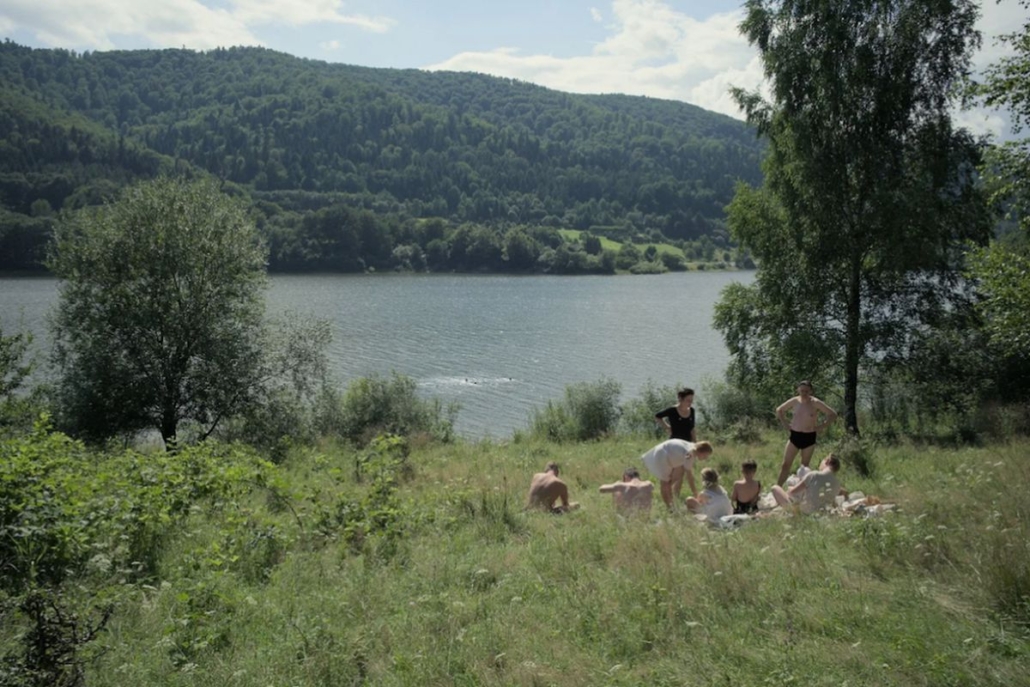
The film follows Rudolf Höss, a Nazi commandant at Auschwitz, played by Friedel, and Hedwig Höss, played by Hüller, a married couple who live with their children in the “Zone of Interest,” the area around Auschwitz reserved for Nazi commandants to reside with their families. The film follows the couple throughout their blissful daily lives, seemingly undisturbed by the nearby atrocities. However, as Rudolf rises within the Nazi regime and builds a picturesque life with Hedwig, hints of the horrific crimes occurring nearby sneak through the walls of their utopian bubble.
The Zone of Interest offers a powerful picture of how a group of people can commit and witness such horrifying crimes yet sit by idly and experience no discomfort or shift from normalcy in their own lives. In the film, the audience follows characters who seldom leave their congenial environments, going about life as though the crimes in Auschwitz are nothing more than a facet of Rudolf’s career. This sense of normalcy is what makes The Zone of Interest especially haunting. The film utilizes naturalistic elements to immerse the audience into a seemingly mundane life, humanizing the film’s characters and creating visual normalcy. Director of Photography Lukasz Zal shot the film in a highly realistic and objective manner and emphasized a raw color palette that immerses viewers into the film, almost making the audience complicit to the Höss family’s indifference. However, whispers of dread slowly slip through the cracks of their idealistic lives and let the audience in on the dreadful atrocities happening in such proximity.
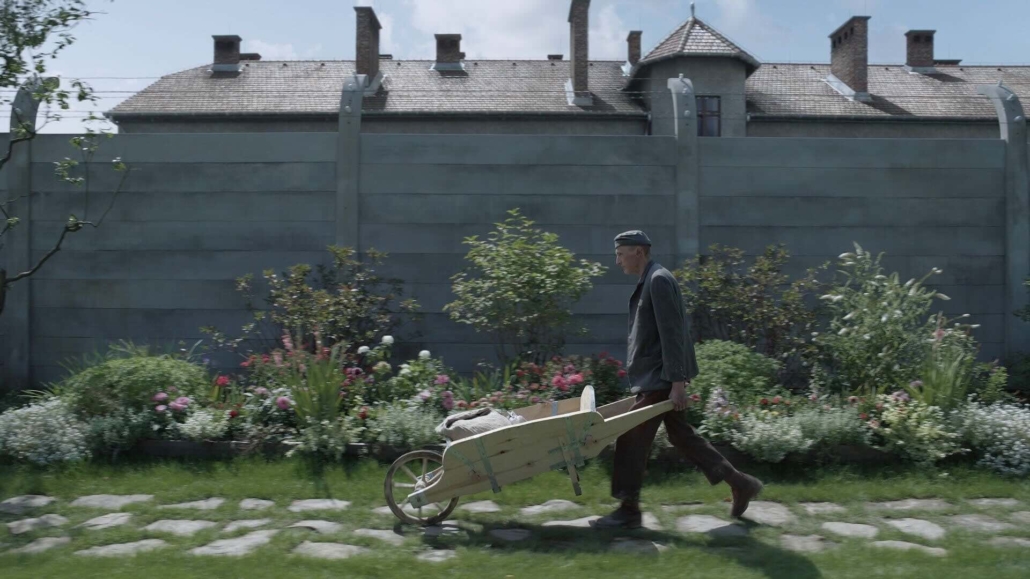
The Zone of Interest’s sound design is undoubtedly the film’s most vital asset and most impressive feat. Johnnie Burn, who won the Academy Award for Best Sound for his work on the film, created an auditory experience that propels the profound sense of dread and eeriness home for viewers. Glazer omitted a lavish score from the film, allowing the audience to become submerged in the film’s realism and the sound design to be at the forefront of the film’s auditory message. Thus, the sound design is incredibly immersive, following similar patterns to the film’s naturalistic cinematography. The film’s sound design focuses on the natural world by depicting birds chirping, running rivers, and an utterly realistic quiet. However, these traditionally calming sounds do not produce typical placating effects on viewers. Throughout the film, the audience hears ambiguous sounds from afar, which include industrial and anguishing noises that are so subtle viewers could misinterpret them. These disturbing sounds are the primary indication of the horrors occurring at Auschwitz and inflict a potent heaviness and sense of dread on the viewers, making The Zone of Interest particularly chilling.
Hüller and Freidel deliver harrowingly casual performances that drive the unnerving indifference of their respective characters home. Rudolf and Hedwig discuss the crimes at Auschwitz with an unwavering casualness that fails to convey any indication of discomfort. Instead, viewers might even discern a chilling pleasantness that reveals their true evil. Even the Höss children discuss the horrors at Auschwitz with a sense of play and nonchalance that showcases a profound detachment and disregard that these characters have for such horrific, evil acts. Indifference is a choice, and The Zone of Interest expertly demonstrates society’s petrifying ability to sequester evil.


Leave a Reply
Want to join the discussion?Feel free to contribute!