Fallout Review

Thumbnail Credit: Inkl

By Carissa Leong, intern

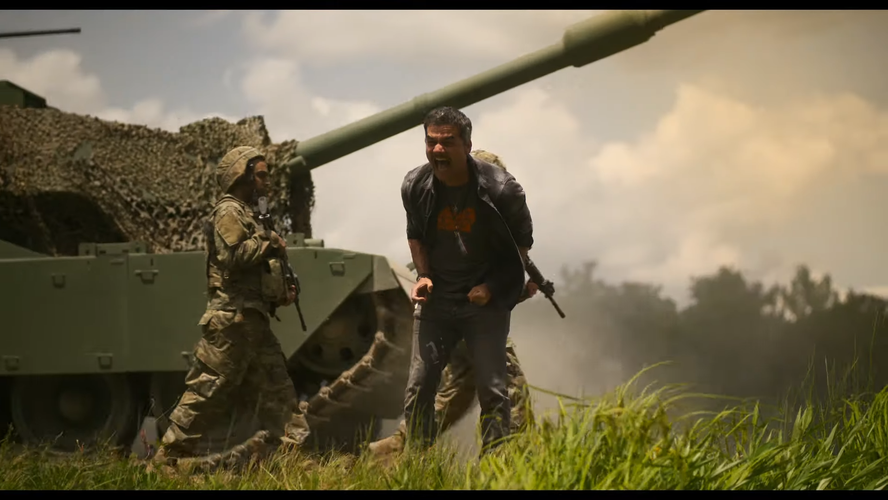
Amazon Prime Video’s newest hit is Fallout, an adaptation of the popular post-apocalyptic video game series. Joining the ranks of hit adaptations such as HBO’s The Last of Us and Netflix’s Arcane, Fallout was lovingly crafted by fans as filmmakers, creating an absorbing world that stays true to the aesthetic of the games while expanding on the lore in its own self-enclosed, well-woven story that culminates in a rewarding finale.

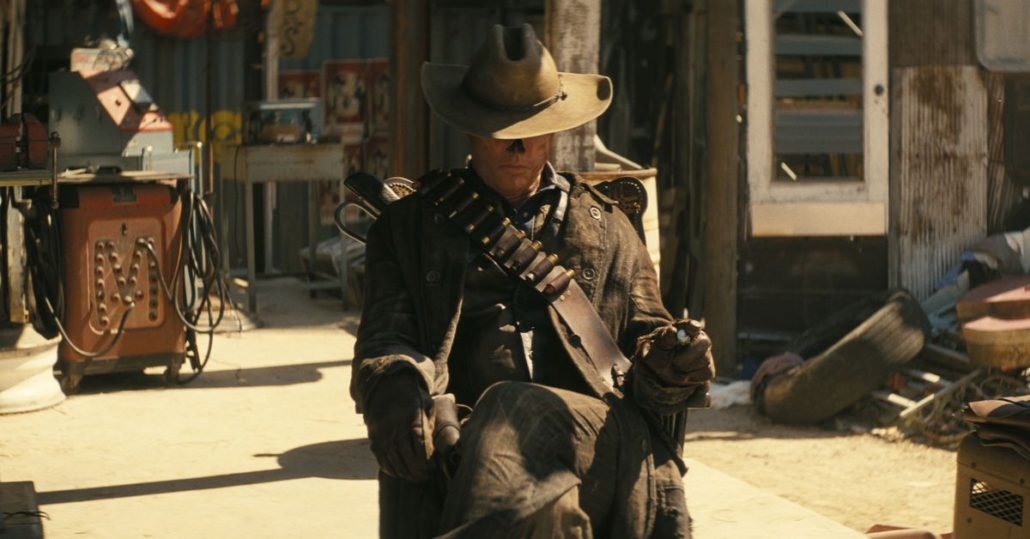
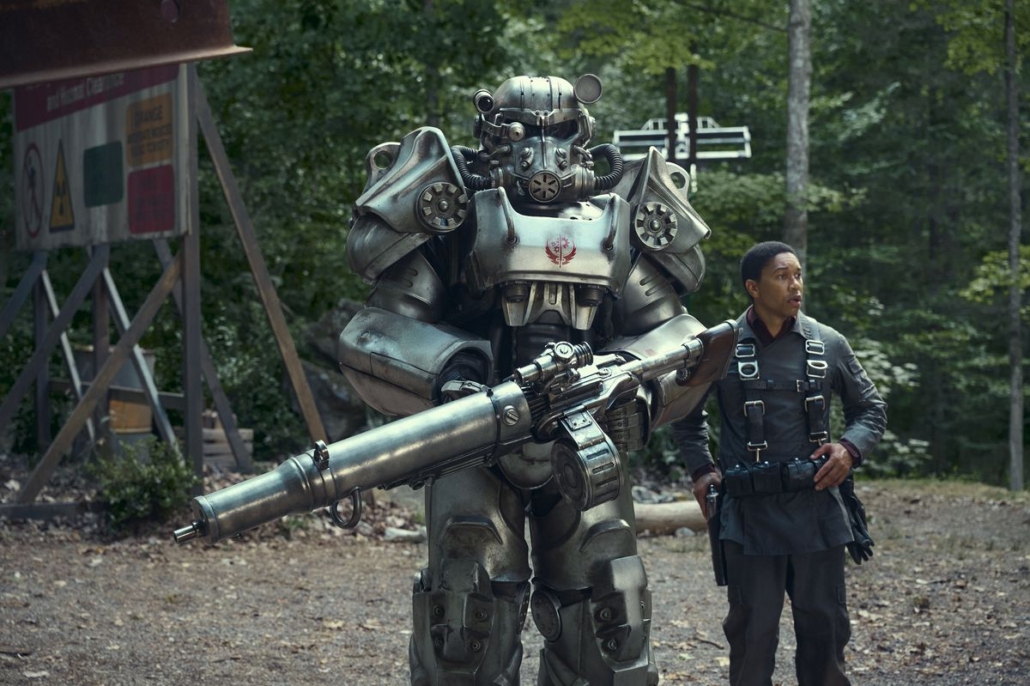
Delving into the plot, Fallout revolves around the storylines of three characters. Lucy (Ella Purnell) is a positive, all-American vault dweller who exists with the sole belief that her purpose is to help repopulate the Earth following nuclear disaster. Maximus (Aaron Moten) is an aspiring member of the Brotherhood of Steel, a military organization that accumulates post-War technology, after they rescued him from the ruins of a bombing when he was a child. And The Ghoul (Walton Goggins) is ravaged by radiation and has survived as a ruthless bounty hunter in the wasteland, stifling his shrouded past.

Credit: Variety

Set in Los Angeles, the series takes place two hundred years after The Great War, a global thermonuclear war between China and the United States in 2077. It’s retrofuturistic, mashing the 1950s aesthetic from the peak of America’s fear of the Cold War and Communism with the destruction of nuclear fallout, which is especially enhanced by a nostalgic soundtrack. Interspersed with bleak, black humor situations and dialogue; dynamic, gory action sequences; and characters all across the spectrum of morality, the show’s atmosphere is easy to like.

Following a marriage between members of different vaults gone wrong, Lucy ventures out into the wasteland in pursuit of her father, Hank (Kyle MacLachlan) who had been kidnapped by the leader of raiders Moldaver (Sarita Choudhury). Out there, every faction including the Brotherhood of Steel and independent forces like The Ghoul are tracking a scientist who supposedly has the key to controlling the future of the wasteland, and it’s something that Lucy pursues so she can bargain with Moldaver for her father. In her absence, her brother Norm (Moises Arias) begins to uncover the sinister origins of Vault-Tec, the company behind the vaults that they live in, and he starts questioning the legitimacy of the entire life that they lived.
Credit: Polygon

Throughout the series, Lucy is an extremely strong protagonist whose naivete and positivity becomes exposed to the wasteland. Instead of breaking her, she adapts to its brutality and can always do what’s needed to stand up for herself yet ultimately remains true to her morals. In contrast, Maximus isn’t the easiest to like, but it’s understandable to see why he’s the way he is, as he was a child drawn directly into a military organization, thus retaining some childish mentality. The Ghoul is among the most interesting of characters, the villain but not completely, and it’s investing as we unravel his past and when we catch a glimpse of humanity behind his ruthlessness. And CX404, the dog companion in a role consistent with the video games, undoubtedly brightens every scene she’s in.

Though a blasted environment of irradiated sand, the wasteland in Fallout feels well-lived. The desert is full of random encounters that feel like the games with a mixture of surviving loners or people loyal to various factions, all with an equally lacking sense of trustworthiness. As Lucy gets to know the wasteland, she gets to know its people, and it’s jarring to think of how their long lives can be so different from her limited perception of society and the world.
Credit: Polygon

Apocalyptic media always operates as insightful commentary on the lengths that humanity would go to survive. Of note, what people are driven to do–because everyone loses their humanity when their other option is dying–only pales in comparison to those at the top of the food chain with their vantage of power. Right through the finale, Fallout operates as a keen critique on capitalism and lends suspicion to any promise of utopia offered in the midst of devastation.

Ultimately, Fallout is among the ranks of the best video game adaptations and is a worthwhile series to invest time in. Riddled with call-backs to the games, the series stays true to its tone, accompanied by likable characters and a tense plot that lends itself toward a second season with leagues of lore to keep building on in the future. This journey across the post-apocalypse is among the must-watch releases of 2024 and its success speaks to the possibility of other sci-fi/fantasy adaptations such as Bethesda’s Elder Scrolls series and even the popular online push for the Mass Effect trilogy to find further success in television.

Top 5 Journalism Tips

Thumbnail Credit: energepic.com on Pexels

By Carissa Leong, intern

From my experience as a journalist for Paddington Arts and through other extracurriculars, here is a list of the top five journalism tips that I’ve found to be the most useful.

  1. Reverse Triangle Structure

One of the best ways to structure an article is with the reverse triangle structure which implies the largest side, the foundation, to be what starts it off. With a hook that especially covers the action of the event, lay all of the information out at the beginning–the who, what, where, when, how, and why. Then, narrow down the story, fleshing it out with the details in consecutive order.

  1. Objective or Subjective?

Consider how the article should be written. For event reporting, especially on news and social justice, it should take a more objective stance. However, there is more forgiveness when it comes to life and arts coverage while opinion or satire pieces are generally supposed to skew the reader’s thinking.

  1. Keeps Things Concise

Something that people don’t often want to read is a lot of writing. Cut down on excessive words and make sure that every sentence is necessary to draw them in or convey information.

  1. Past or Present Tense?

Events that have already happened should always be reported on in past tense including with a story that’s still developing. In areas revolving around art such as film reviews, the present tense can be appropriately used. I like to think that it’s because art and its interpretations are eternal, and there will always be people still watching and interpreting it into the present.

  1. Implementing Quotes

Don’t use descriptive words like “shouted” or “muttered.” Keep it simple and objective by using “said.” Additionally, you can use neither and opt for the Q&A format which reflects an organic conversation between the interviewer and interviewee. Each line lists out the name of the person speaking and what they ask or say. Finally, make sure you include if you received the quotes through email, as it specifies that the interviewee had abundant time to revise their intended words.

Best of luck with reporting and writing!

My Time at Paddington Arts

By Carissa Leong, intern

After seven weeks, my time as an intern in the Digital Newsroom is finally coming to an end. During my time, I’ve appreciated the opportunity to get to know more about the local area while also engaging in media that I enjoy, whether it be about films or music.

My time at the company started off strongly with my analysis and review of Dune: Part Two, a film and franchise sequel that I loved. Surely excessive in length, I enjoyed breaking it down thematically and comparing it to the book, and it was one of my favorite projects that I engaged with.

Another cool experience was the opportunity to work with artist managers from UROK Management, Laura Leon and Annabelle Scott-Curry, to cover Tom Odell’s show at the Roundhouse. Having gone in knowing so little about his work, I ended the night discovering an incredible artist with completely warranted popularity. His vocals, instrument composition, and minimalist aesthetic were all so well put-together and immensely impressive to witness live.

Following that up, I compiled a list of publications for send-outs and drafted a press release for Steve Shaw’s photo exhibition, aided by the social media manager Karina Saniuk. I also had the opportunity to develop my interview skills by asking her questions about her career in social media marketing and as a freelancer. On top of all that, I was able to create my own graphic through Canva promoting the upcoming Slam Dunk 2024 rock music festival with a brief playlist of recommendations. 

I got to wrap up my time at Paddington Arts with reviews of a few more recent releases that I enjoyed. One of them was English director Alex Garland’s Civil War which was a dystopic take on America that lent commentary on the role of war journalists. Meanwhile, the other was Fallout, an Amazon Prime Video television adaptation of the popular post-apocalyptic video game series. I finished it in two days, loving the black humor and retro aesthetic clashing with dystopia, and I really appreciated that I was able to share my thoughts on it.

Something that I wish I’d been able to do while I was here was pursue marketing and PR more, as I had gotten the option and assignments late into the term. I would’ve loved to have more time to practice my skills with videography and editing, but I am at least grateful that I got practice with PR and press releases. While I will end up utilizing some skills from journalism in the future, it ultimately is not of interest to me for a career, and I would’ve loved to have the alternative option of marketing earlier. Music photojournalism will always be what I can do on the side, but music marketing–whether it be with a record label or concert promoter–is my end goal which I didn’t get to develop skills specifically for. 

Ultimately, I had a good experience at Paddington Arts and I greatly appreciate the team for giving me free reign to engage in my interests and share it with the world. It supplemented my already existing content creation and journalism experience, and I believe growth from this internship will help me shift career directions in the future.

Civil War and the Objectivity of War Journalism

Thumbnail Credit: Landmark Cinemas

By Carissa Leong, intern

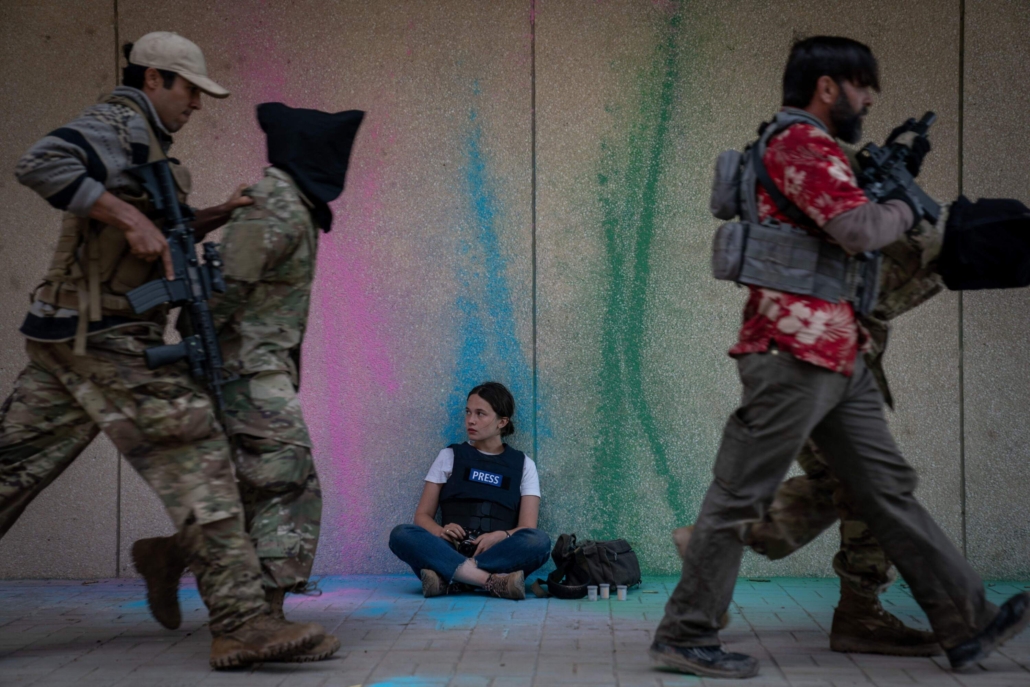
Following its release, Alex Garland’s dystopian version of America in his new film Civil War became indie distributor A24’s highest-grossing opening to-date. Plotted as a road trip following a crew of journalists including highly experienced Lee (Kirsten Dunst) and young, aspiring war journalist Jessie (Cailee Spaeny), they pursue the story of the end to the civil war in the fantastical, apolitical landscape of America where numerous states have been trying to secede from the fascist rule of the government. 

Credit: IGN

In a near future version of America, Lee and her colleague Joel (Wagner Moura) intend to get an interview with the president (Nick Offerman) before secessionists take control of the White House. Tagging along for experience, Jessie is taught by Lee of the important side effect of numbing objectivity in their line of work, especially as they face atrocities as they travel toward Washington D.C. As the war draws to an end, Jessie’s objectivity numbs her to the tragedies around her as she develops her skills in war photography, just as she was taught; in contrast, Lee becomes more affected emotionally and mentally due to attachment and guilt revolving around her crew, and it’s something that doesn’t end well for her.

The apolitical nature of the film’s setting is something that has drawn criticism from numerous sources, but it’s something that I personally don’t have an issue with. Either way, if the world-building villainized either the conservative or the democratic party, then it would’ve drawn criticism regardless, especially toward an English filmmaker. The fictional factioning of the United States, generally rebelling against fascism, allows for realistic commentary on the actual point of the film–the atrocities of war and war journalism. 

Credit: Roger Ebert

The most overt commentary revolves around the objectivity of war journalism, depicted especially through Lee and Jessie’s shifting dynamic. As a photographer, I related to the sentiment portrayed–I used to live longingly for the shots that I missed, everything seen distantly through the frame of my viewfinder, and I had to get myself back to feeling emotionally connected, especially to the shots that I actually did get. I never photographed wars, thankfully, but Lee’s hardened outlook didn’t seem so far off from what I could imagine for myself if that was my job. The act of constantly watching people die and capturing them rather than interfering would be enough to drive someone crazy if they didn’t desensitize themselves to it. That’s not to say all journalists don’t care, specifically calling into reference the passionate teenagers in Gaza documenting the destruction of their homes on social media, but this is only another realistic take by someone less connected to the tragedies. Their only purpose is to get the stories out so others would become fueled by outrage and change would be instigated.

Jessie’s shift from someone caring, naive, and emotional into someone impulsive with risk buried at the very back of her mind quickly shows the development of what happened to Lee, long ago in her career. It’s hard to like her for how the film ended, but it omits the longer-term aftermath of her actions or inaction–whether she remains numb forever or opens herself back up to sympathy and guilt. Regardless, her trajectory is among the most interesting in Civil War, and the film really speaks to what the “invisible” people go through, the ones who we know nothing about and scarcely consider, yet who create all of the work that make up our perception of current events.

Credit: WBUR

Through previous films including Ex Machina (2015), Annihilation (2018), and Men (2022), Alex Garland has had a consistent track record of depicting destruction to be eerily bleak and beautiful, and Civil War is no exception. Utilizing wide-angle shots glamoured with lens flares and minimalistic, smooth motion, the fly-overs of burning towns or the gory deaths of characters are all portrayed through a similarly objective view, prioritizing the cinematic above all else. The score is equally bleak and beautiful, only aiding the visual tension.

Ultimately, Civil War is a strong film both visually and thematically, revolving around characters whose motives and emotions feel real. Spinning the war genre to focus on the mentality of journalists rather than soldiers, the film’s commentary feels like a highly relevant cautionary tale of a possible future amidst the news of war in the areas of Gaza and Ukraine. From this and accompanied by the current state of violence, it unfortunately isn’t too far off to imagine America falling apart into this dystopia born from rebellion of the people against the president, especially with the controversial coming election.

Credit: Geek Tyrant

A Digital Career in the Digital Age: Q&A with Karina Saniuk

Thumbnail Credit: Karina Saniuk

By Carissa Leong, intern

As the world became increasingly digital through the 2020s, as did its careers. An example lay in the music industry; the shift from physical formats to streaming led to a scramble to figure out how artists would be compensated for their work with people no longer paying for specific music but rather a subscription-based service that encompassed all music. The gatekeeping by record labels to nurture a brand and market became less vital, as it became easy and accessible to market independent artists through viral platforms like TikTok.

In addition to the music industry, this change resonated with many other sectors. Advertising became easier and more accessible–you could do it as long as you had a screen and wifi connection–but the pool of competitors drastically increased. This form of marketing became so necessary for companies to stay afloat that new, media-oriented job positions emerged. With the influx in hybrid and remote working environments post-COVID pandemic and the accessibility of the Internet from almost anywhere, the social media manager is among some of the most flexible to date, though still quite challenging to sustain oneself on.

Paddington Arts’ own Karina Saniuk, freelance social media manager, most recently kept up with her work from abroad during a three-month trip through Central America. Well-seasoned in the industry, Paddington Arts was only one of the clients that she worked with, all spanning various different sectors. I had the opportunity to communicate with her through email to shed some light on the realistic details of the job and the accessibility of it as a marketing career path for youths in-tune with social media.

Carissa Leong (CL): How do you stay on top of the rapidly shifting digital landscape?

Karina Saniuk (KS): I read many articles and follow industry experts.  Some of my favourite are Later, Hubspot, Social Media Today. Also since I manage between 4-10 accounts at a time I’m able to sense shifts naturally throughout all accounts, whether it’s dependent on niche or just an overall change. However, to understand the digital landscape is to understand the psychology of the mind and today’s society too as the rapidly changing world we live in today shapes how we interact with certain topics and social media.

CL: Do you have a favorite sector to work with and why?

KS: I’m particularly drawn to both the charity and food sectors. The charity sector offers a sense of fulfillment, knowing that I’m contributing to something impactful. On the other hand, the food sector allows me to unleash my creativity and experiment, especially when I can showcase more editing techniques with videos.

CL: What was your career trajectory?

KS: I opted out of studying History at The University of Nottingham to explore different paths. With a background in hospitality since the age of 16, I juggled work alongside various courses while nurturing a desire to travel. Shortly after leaving sixth form, I stumbled upon an opportunity to manage a social media account which later evolved into a paid position.

Amidst the pandemic, I launched my own Instagram account, leveraging it to showcase my services to small businesses, particularly supporting women entrepreneurs without charge to hone my skills.

Slowly, people started reaching out to me about my services and I only improved from there. Adaptability has been key; as social media continuously evolves, so must my skills. For example, when I first started working in social media, photos were still very much in, reels did not exist, neither did Tiktok.

Credit: Karina Saniuk

CL: What’s the most difficult and most rewarding aspect of freelancing?

KS: The inconsistency that can come with it is the most difficult. Specifically when you lose one of your biggest clients, it is especially a financial stress but it has helped me to become resilient and cultivate a positive mentality. It also has helped me to work with what I have and roll with it.

The most rewarding thing is seeing your work do well knowing full well that you were the one who did that. Also working in small teams is so fun and you get to meet so many people from different walks of life. Being a young woman in her early twenties, it’s nice connecting with different people and seeing the possibilities that are out there.

CL: What campaign are you the most proud of?

KS: In terms of metrics, one of my TikTok campaigns reached an impressive 1.5 million viewers with just a single video. This campaign, featuring myself, was organised for a startup company last summer. While I find satisfaction in various projects, I take particular pride in endeavours benefiting Paddington Arts. The ability to inspire positivity within a community is far more gratifying than merely encouraging users to buy something they don’t need.

Credit: Karina Saniuk

CL: What would be the most helpful tip that you would give someone who might also be interested in this area?

KS: The most valuable advice I can offer to anyone interested in this field is to proactively create opportunities for yourself. During times when I didn’t have clients, I invested my energy into crafting content for fictional accounts and actively engaged in conversations about social media. I lived and breathed social media for the first few years. 

Start by establishing your own presence on social media, focusing on topics you’re passionate about, and don’t be deterred by others’ opinions. Taking initiative is key; don’t hesitate to reach out to companies and offer your services. Remember, even if they decline, it’s simply a redirection that can serve as motivation to improve.

The Zone of Interest Review

By Peyton Harvey

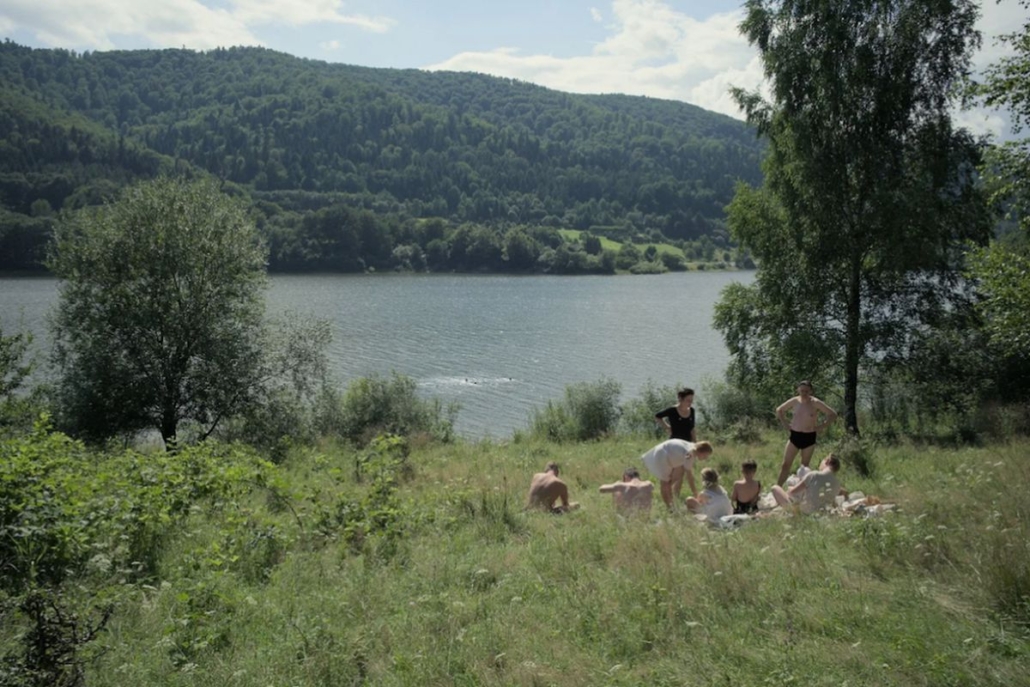
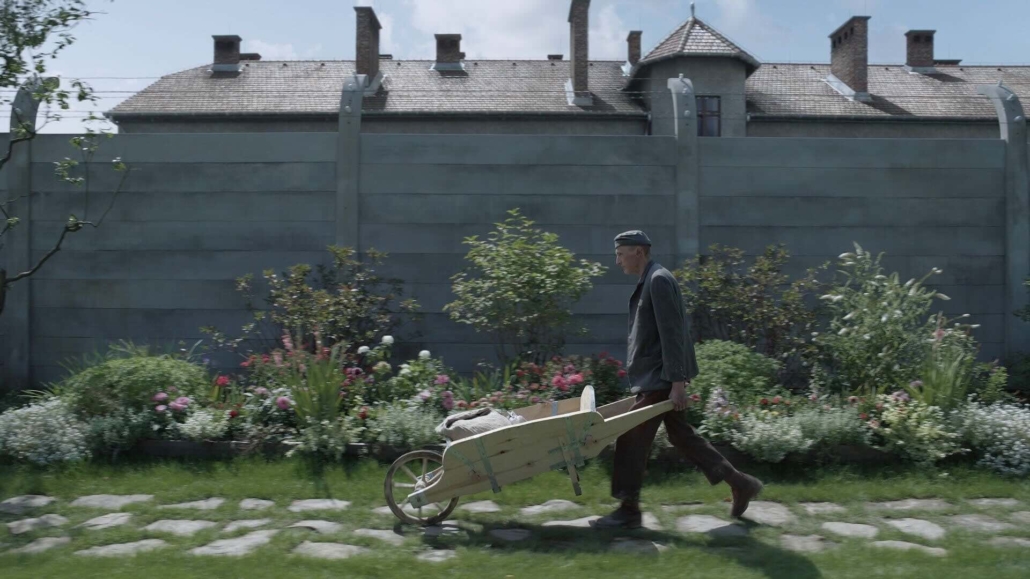
After winning two Oscars at the 2024 Academy Awards ceremony, The Zone of Interest has cemented itself as one of the best (and most harrowing) films of 2023. Based on Martin Amis’ 2014 novel of the same name, the historical drama offers an unprecedented depiction of the Holocaust in film, following a German family who, despite residing next to the Auschwitz Concentration Camp, are living an idyllic life. English director and screenwriter Jonathan Glazer, known for films such as Under the Skin (2013) and Birth (2004), penned the screenplay and directed the film, starring Sandra Hüller and Christian Friedel. The Zone of Interest premiered at the Cannes Film Festival on 19 May 2023 and was released in theaters in December 2023, receiving widespread critical acclaim and holding an impressive 93% on Rotten Tomatoes and 92% on Metacritic.


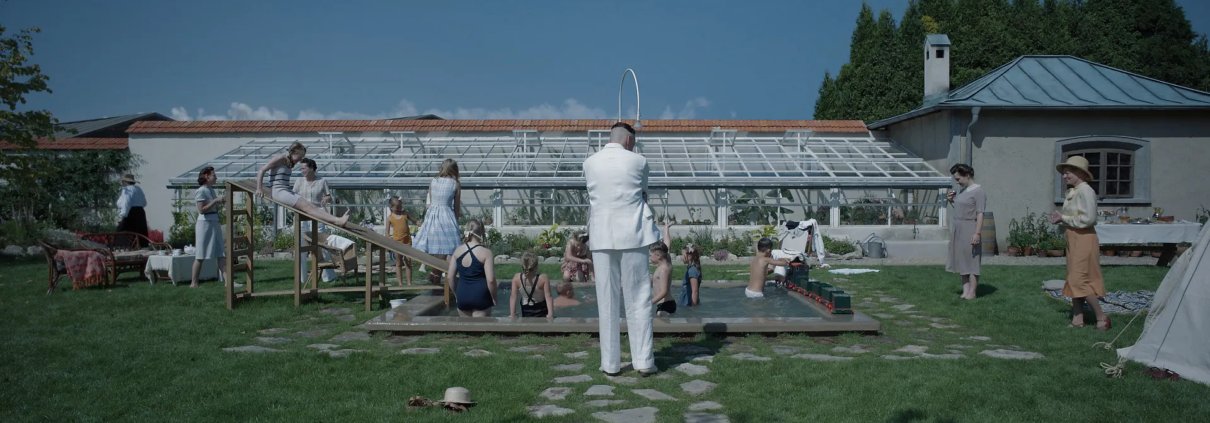
The film follows Rudolf Höss, a Nazi commandant at Auschwitz, played by Friedel, and Hedwig Höss, played by Hüller, a married couple who live with their children in the “Zone of Interest,” the area around Auschwitz reserved for Nazi commandants to reside with their families. The film follows the couple throughout their blissful daily lives, seemingly undisturbed by the nearby atrocities. However, as Rudolf rises within the Nazi regime and builds a picturesque life with Hedwig, hints of the horrific crimes occurring nearby sneak through the walls of their utopian bubble.

The Zone of Interest offers a powerful picture of how a group of people can commit and witness such horrifying crimes yet sit by idly and experience no discomfort or shift from normalcy in their own lives. In the film, the audience follows characters who seldom leave their congenial environments, going about life as though the crimes in Auschwitz are nothing more than a facet of Rudolf’s career. This sense of normalcy is what makes The Zone of Interest especially haunting. The film utilizes naturalistic elements to immerse the audience into a seemingly mundane life, humanizing the film’s characters and creating visual normalcy. Director of Photography Lukasz Zal shot the film in a highly realistic and objective manner and emphasized a raw color palette that immerses viewers into the film, almost making the audience complicit to the Höss family’s indifference. However, whispers of dread slowly slip through the cracks of their idealistic lives and let the audience in on the dreadful atrocities happening in such proximity.


The Zone of Interest’s sound design is undoubtedly the film’s most vital asset and most impressive feat. Johnnie Burn, who won the Academy Award for Best Sound for his work on the film, created an auditory experience that propels the profound sense of dread and eeriness home for viewers. Glazer omitted a lavish score from the film, allowing the audience to become submerged in the film’s realism and the sound design to be at the forefront of the film’s auditory message. Thus, the sound design is incredibly immersive, following similar patterns to the film’s naturalistic cinematography. The film’s sound design focuses on the natural world by depicting birds chirping, running rivers, and an utterly realistic quiet. However, these traditionally calming sounds do not produce typical placating effects on viewers. Throughout the film, the audience hears ambiguous sounds from afar, which include industrial and anguishing noises that are so subtle viewers could misinterpret them. These disturbing sounds are the primary indication of the horrors occurring at Auschwitz and inflict a potent heaviness and sense of dread on the viewers, making The Zone of Interest particularly chilling.

Hüller and Freidel deliver harrowingly casual performances that drive the unnerving indifference of their respective characters home. Rudolf and Hedwig discuss the crimes at Auschwitz with an unwavering casualness that fails to convey any indication of discomfort. Instead, viewers might even discern a chilling pleasantness that reveals their true evil. Even the Höss children discuss the horrors at Auschwitz with a sense of play and nonchalance that showcases a profound detachment and disregard that these characters have for such horrific, evil acts. Indifference is a choice, and The Zone of Interest expertly demonstrates society’s petrifying ability to sequester evil.