Posts

Art Therapy- I tried it and you should too! By: Lauren Avila

Art therapy can come in many forms through hands-on experience and engaging creativity, be that through performance or fine arts. There are individual and group sessions of art therapy widely available throughout London. It is a practice that is led by a trained professional with the intention to offer a safe environment to get in touch with feelings that may otherwise remain guarded. There is evidence to support that engaging in art therapy helps individuals to speak more freely and become more relaxed when facing an issue. 

Each individual is different and each person’s needs vary. Some people may need the guidance and healing that comes from a trained art therapist. However, that does not discount that art, in its many forms, is therapeutic on its own. 

The British Association of Art Therapists state on their website that “art therapy can help people of all ages and at all stages of life, including those whose life has been affected by difficult personal or cultural experiences, illness and/or disability. You do not need to be skilled in art to benefit from art therapy.”

That was the case when I put this theory to the test. I observed and participated in different types of art with groups of normal people from different backgrounds. 
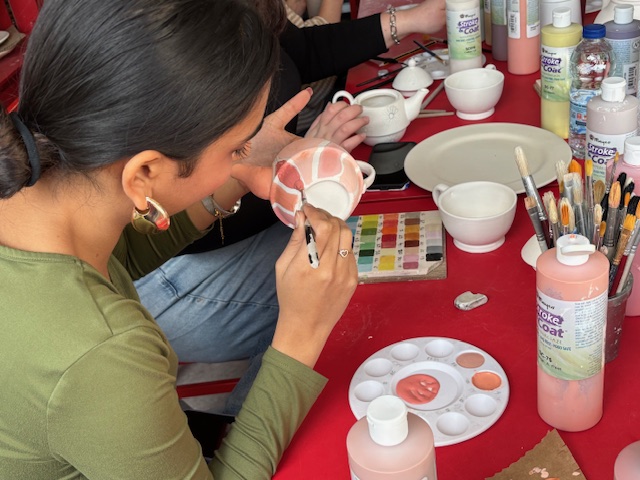
 

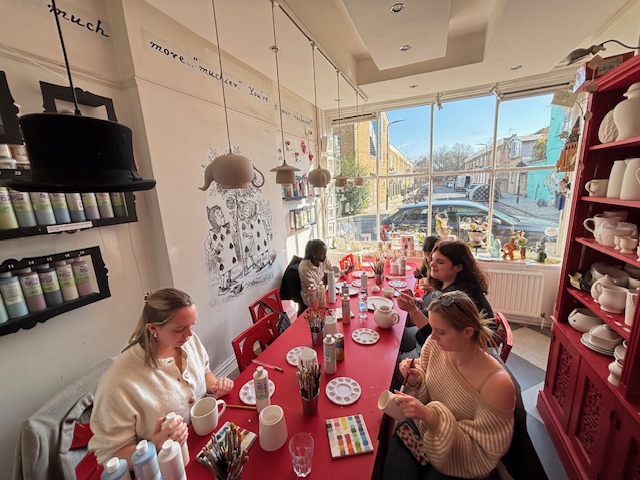
First I went to Wonderland Ceramics to test if fine art really can help people with their mental health. The task? Choose a ceramic item and paint it in any way one wishes to. It turns out that art as therapy really is dependent from person to person. In a group of seven, a couple attendees felt stressed by this task. They found it difficult to choose an item, then choose how to decorate it, and also to efficiently do so. 

“I feel stressed because I’m a perfectionist, but I also feel relaxed because I know I can take my time,” Leyonce explained when asked how creating art made her feel.

Others found these steps less intimidating.

“I love this,” Skye said. “I’m so glad I decided to do this.”

Despite the rocky start, over the course of time the challenge became easier and the room’s temperament changed. People felt more at ease and the conversation in this group became more comfortable by each passing minute. As mentioned earlier, evidence supports that art can encourage a person to open up and share deeper thoughts and feelings.

“I was feeling stressed but I’m feeling a lot more relaxed now,” Gilly shared.

I challenged the theory again when attending a performing art event. The task? Have beginner and intermediate dancers try to teach and learn from each other. As an overall observation, this much larger group of about twenty attendees followed a similar pattern. About half the room was filled with timid beginners but by the end of the event there was a buoyancy in the room. Everyone’s spirits were lifted and the whole group bonded in conversation long after the event concluded. 

Speaking from personal experience from both activities, I felt relaxed, jubilant, care-free, and fulfilled while participating and immediately following each event. I can also say the same from other art forms such as writing stories and taking pictures. Again, this is different for each person but I believe it is safe to say that art as therapy is worth looking into. 

To find out more about the evidence behind art therapy, how it works, what types of therapy there are, and where to start looking for an art therapist, visit Mind. If you are local, consider looking up the classes and events that are offered here at Paddington Arts. 


Reflecting on My Internship Experience

By George Clyde

My experience with Paddington Arts has been brief but filled with learning experiences across the board. I went into my abroad program in London with the intention of getting a chance to try my hand at journalism for the first time outside of a school setting. As it turned out, my placement couldn’t have been more perfect. The staff at Paddington Arts welcomed me in and guided me towards stories as well as providing me with the equipment I needed. 

One of the struggles for me with journalism has always been inserting myself into situations that are unfamiliar to myself and I think that’s where I’ve had the most growth. My first project with Paddington Arts was never published, but it was still a good experience. I was tasked to go out and take photographs of people and shops on Harrow Road. I felt uncomfortable at first pulling out my camera in front of people. I didn’t know any of the unspoken social rules in this country, and so I felt like I didn’t know who would be offended and when. The more I took photos though, the more I realized how little people cared. 

In my second assignment I was once again thrown into unfamiliar territory. Steve dropped me off at Grand Junction, where a folk performance was happening that night. With my camera in hand and a few broad questions ready, I really had no plan. Once again though, I just started asking around and taking pictures of whatever I wanted to take pictures of. The headliner, Frankie Archer, was happy to talk to me, and I even set up another interview with the artist before her.

In Journalism, you’re always working outside of the routine. Any good piece is going to have something unique to say, and you don’t have unique things to say if you don’t step outside of the monotonous flow of what people expect you to do and say. I think that in my later assignments I was much more comfortable with going after what I needed and putting aside my nerves. Those experiences also gave me the confidence to go out and record my own project in Hyde Park centered around friendship.

Toward the latter half of my internship I got the chance to get some valuable film and editing experience when I went to interview the sculptor Carl Gabriel nearby. I was given plenty of opportunities to practice photography as well, including during Paddington Arts’ production of the musical Annie. 

I do wish I had another month or so here. I feel like I’m just hitting my stride, and I’d love to go out and take the initiative to find more stories in this community. I am happy though with what I’ve accomplished in this month or so, and I’ve appreciated being a part of such a tight knit and committed community here. You never know, maybe I’ll cross paths with Paddington Arts again in the future.

Staying Grounded in a Digital World: An Interview with Freelance Social Media Manager Karina Saniuk

By George Clyde

Since the introduction of social media in the early 2000s, we all have had to learn how to balance two separate worlds, the one on our phone screens and the one we exist in physically. It isn’t possible today to be a member of society and ignore one or the other. Every person, every company, every city exists here on earth but also in an online reality where a flawless self-image must be presented and maintained for the world to see. That’s where Karina Saniuk comes in, a freelance social media manager who works here at Paddington Arts. Her role is to help people achieve online perfection, perfection that can only exist in the glittering realm of social media. 
Karina didn’t have a degree in marketing, communications, or photography. In fact she had little to no experience with any of those things. She was taking a gap year before college and working as a waitress, when she got an opportunity to help a company out with social media. She loved the creativity involved in the work, and slowly but surely that job turned into more and more opportunities. “If I saw a company that needed help with their social media, I would reach out to them. If they ignored me, they ignored me. If they didn’t, they didn’t,” Karina said of her early days in this line of work. 

Initially she looked to other social media pages in hopes of emulating their formula, but what she soon realized as she got behind the scenes is that everybody is still figuring out how social media works. “I thought that successful marketers and social media managers had a way of doing it, and because they do it that way, they’re successful,” she said. “But I’ve soon come to realize that no one knows what they’re doing.”

In just a few years she’s learned how to edit, film, photograph, and work with companies to craft something that represents their values while also broadening their audience. 

Karina taking videos of a concert for social media

This kind of persistent, try-everything attitude is what’s gotten Karina this far. But what you wouldn’t know from her social media posts is that she does deal with a lot of anxiety and feelings of inadequacy. Even for Karina, who’s career is built around social media, it sometimes can become too much.  “I think, to be, like, on a real and be vulnerable, I have been struggling with my mental health in terms of social media recently. And, it’s, especially when you have pressure to do a certain job on a certain project, and then you look online and you see people doing really well, and, it does, it’s, I’m not going to swear. It basically messes you up.” 

“I shouldn’t be in this room right now,” she remembered thinking early on. “I’m not qualified enough.” What Karina’s learned to do though is embrace that anxiety. “When I don’t feel like that, that’s when I’m not growing,” she told me. “So sometimes the anxiety, in a healthy dose, it’s an indication that this is way out of my comfort zone and I just need to keep pushing.” 

In between her work, Karina looks for ways to ground herself back to the real world. Whether that be taking nature walks, which she does routinely, or just simply turning off her phone and reminding herself that “You don’t work for the UN. The world is not going to die if you dont post or something doesn’t go out.” 

As well as keeping her own mental health under control, Karina has also had to learn how to guide other people through their anxieties about putting themselves and their work out in front of so many strangers on social media. She describes herself as often having to play the roles of “coach” and “cheerleader” for people who are nervous about presenting themselves online. 

“I can give you an example, Paddington Arts, the team was really shy. They didn’t want to be in posts at the very, very start. Wasn’t that right Steve?,” Karina asked playfully, turning to Steve Shaw, the team’s director. “And now I’ve got Steve on an interview. It’s a combination of gaining trust from the company as well.”

Karina talking to co-workers at Paddington Arts

At the end of the day all of the anxiety and eventual satisfaction that Karina deals with in the real world is what you don’t see when the final glimmering product goes up on social media, but it’s the part that makes it all worth it. “One of the most rewarding things is working for a more personal company like Paddington Arts and actually seeing your work do well,” said Karina when I asked her what gives her the most satisfaction. “Even like little moments when I talk to the kids about how to be safe online, that’s quite rewarding. And also seeing that my work for a charity has made an impact that always makes a difference.”

A Weekend in Iceland

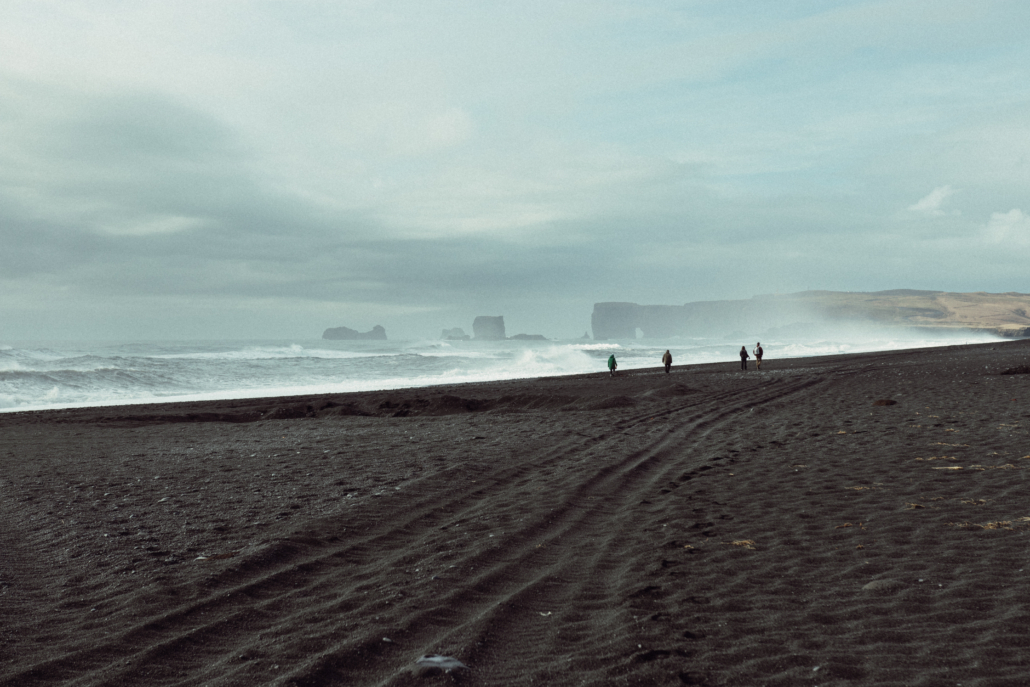
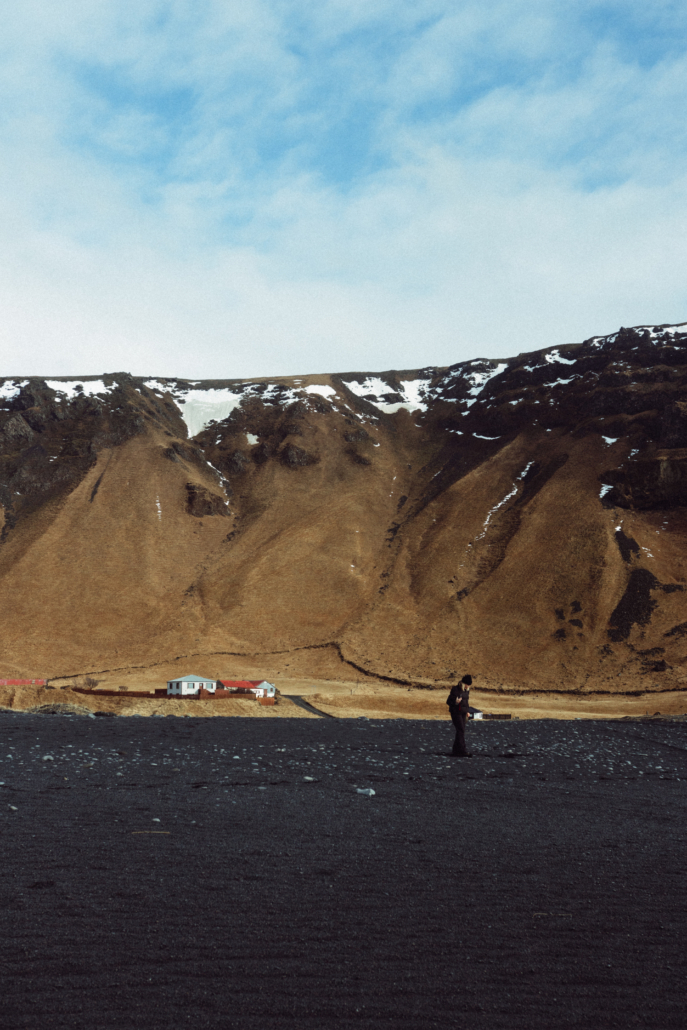
From the UK, Iceland was only a three-hour flight away but it felt like another planet. The muddy, mossy tundra ran all the way to the base of the mountains, some blanketed by snow and some barren, with tiny waterfalls splitting the rugged cliff-faces like pale veins and venules. Herds of Icelandic horses tossed their heads against the rain and the occasional dusting of sheep huddled near the white-and-red barns. There was so much open space and open sky, and I wished so badly for the clouds to clear and for the Northern Lights to dance across the stars, but I could not have been so lucky just for a weekend.

That was not to say that the rest of the trip was not good, as it was beautiful and a landscape photographer’s dream location regardless. The first place that I went to when I flew in was Reykjavík, the capital city whose name translated to “Smoky Bay” in Icelandic due to the geothermal hot springs in the area. I only spent a brief time in my host city, long enough to check out the waterfront and taste a comforting traditional dish of lamb soup at Kaffi Loki. Visitors must bear in mind that meals in Iceland are expensive especially because grains and produce must be imported since the farms don’t grow anything except grass.

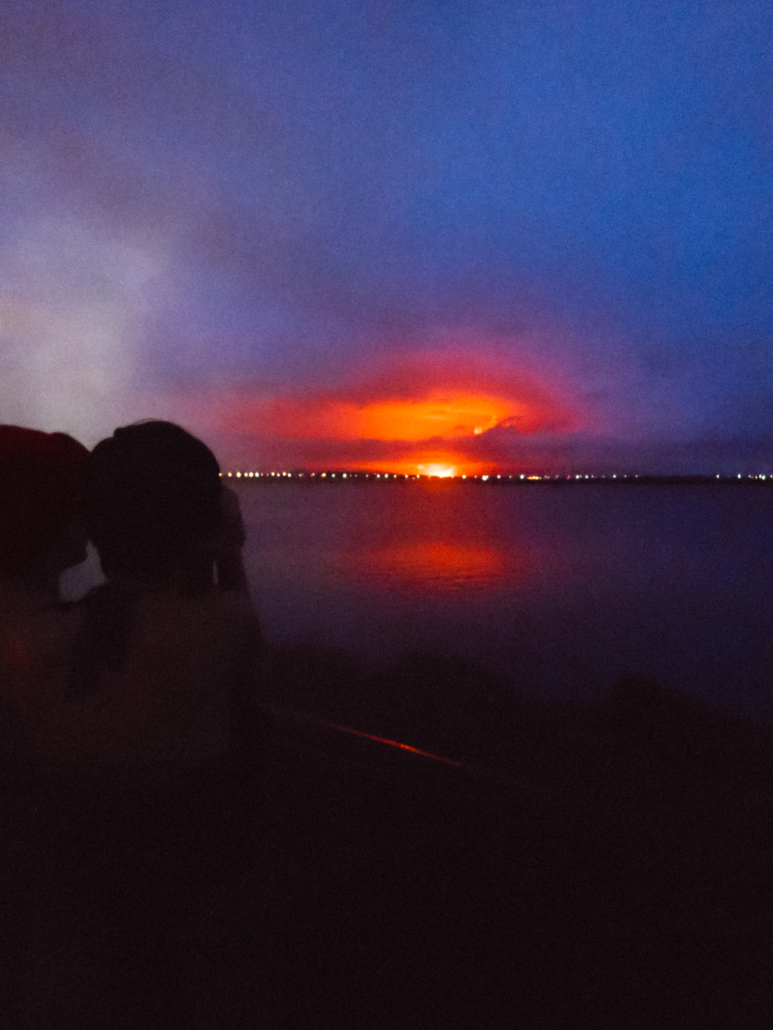
The next stop was a dusk to night visit to Sky Lagoon, the newest geothermal spa only ten minutes outside of the city center. It was relaxing and an overall interesting experience to be submerged in the warm water while still feeling the droplets of cold rain. I did the spa’s seven steps which ranged from a cold plunge to a sauna and steam room. Into the night, bright red bloomed at the horizon line and the visitors to the Sky Lagoon watched the live eruption of Fagradalsfjall with awe. It had been the fourth eruption in the last few months but was handled well by Iceland’s emergency services, and I learned afterward that the Blue Lagoon tourists and population of the town Grindavík were safely evacuated.

The day after, I took an all-day tour of Iceland’s South Coast through the company Reykjavík Sightseeing. My tour guide was named Kat and she provided insightful bits of information as we drove through the shifting landscape. Early on, we passed through the snowy Hengill volcanic area as well as a town nestled in a valley that was warmed by geothermal activity. Following that, our first official stop was the waterfall Skógafoss. There, the difference in scale between the size of the cliff face and the tourists was incredible.

Our second stop was the black sand beach Reynisfjara. It was eerily beautiful with slick basalt columns of Reynisdrangar yawning toward the sky, the same geological structures that made Giant’s Causeway in Northern Ireland such a draw. However, it was the epitome of nature unharnessed, and Kat warned us about sneaker waves which would pull unsuspecting visitors into the strong, freezing ocean.

After our lunch stop in the coastal town Vík, we made our way to the glacier Sólheimajökull which was a ten minute trail off of the parking lot to a viewing platform. From there, I could make out the incredibly small silhouettes of people hiking across its surface. It was immense–blue in some areas, white in most, and streaked with the dark volcanic sediment everywhere in Iceland. Ice floes trailed off from the glacier into a lake, and Kat informed us tragically that Sólheimajökull lost ten meters of water a year due to global warming.

Our last stop was the waterfall Seljalandsfoss which had a path stretching behind the water. It was a little scary to venture across without hiking boots, as some of the ground was slippery with ice and snow, and I had no traction on my sneakers when changing elevation. It was rewarding, however, to have made it to the other end and to get the photos of it from there.

Due to poor weather, the Northern Lights portion of our tour was canceled. It was always a risk with planning such a short trip to the polar regions–buy it when it was cheap and keep an eye on weather forecasts and moon phases for illumination, but it will always be like throwing a dart at a shrouded target. Maybe in a long while, I will return to the country in search of them or I’ll end up scouring the dark skies of Canada or Alaska that are closer to where I live long-term.

My overall weekend in Iceland was an experience that I am not likely to forget, and it was an absolute goldmine for a photographer. I loved focusing on minimalist landscape shots as well as emphasizing what I referenced earlier–comparing the size of the people to the sheer scale of nature. The whole country was brimming with photography opportunities and there were so many moments on the tour bus where I wished to pull over to the side of the road for a shot. A specific missed one that comes to mind was a portrait of the Icelandic horses who I’d only seen from a distance.

If I were to return again for a longer time period–and for anyone else planning a similar visit–I would look into renting a car for weather-experienced drivers as the roads are often empty. This way, you would be able to build your own itinerary, stop whenever you wanted, and chase the Northern Lights yourself. However, for a one-day itinerary with not a lot of ideas for what to see, the guided tour was well worth it.

All photographs by Carissa Leong (@carissalphoto.cr2)

An Intern’s Guide to Concert Photojournalism

By Carissa Leong, intern

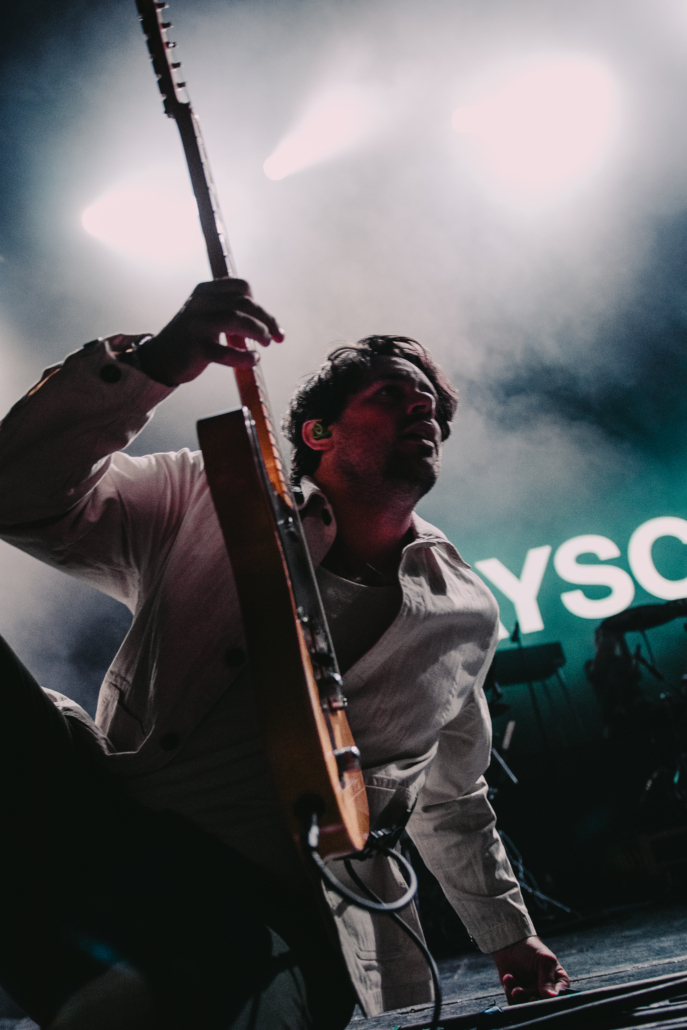
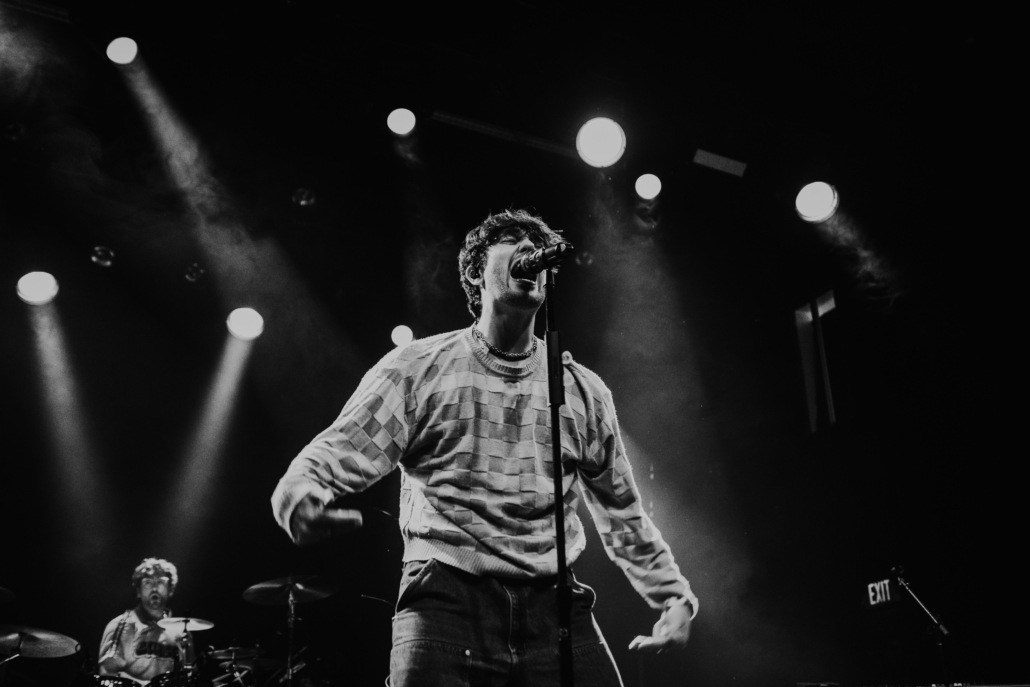
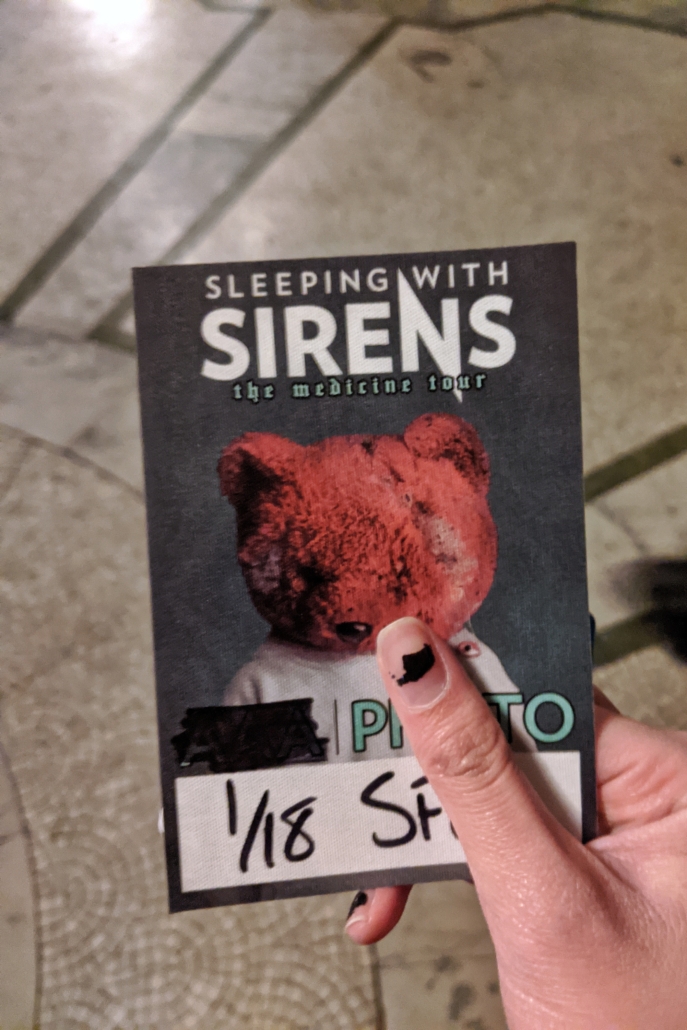
In high school, I was a big fan of music and a photography hobbyist, so the natural bridge was becoming involved in concert photography. At sixteen, I had my first press pass slipped into a laminate around my neck–covering the post-hardcore band Sleeping With Sirens at the Regency Ballroom in San Francisco, CA in January of 2020–and it was not only a long journey to get to that point, but also a long journey to continue from there. For anyone interested in pursuing the same hobby, here are a few tips.

Grayscale opening for All Time Low at the Wiltern, Los Angeles 11.10.23

Building your Portfolio:

  1. Reach out to small bands

If you don’t already have connections, a good way to start a portfolio is to reach out to local bands playing at venues that allow DSLR cameras. Typically for free entry, you can provide them with promotional photos that they can market themselves with while you receive the experience and work for your portfolio in return.

2. Low light

Keep in mind that you’re shooting in low light and need gear good enough to accommodate this. Make sure you shoot in RAW format to capture the greatest amount of detail and ensure that you can freeze the action with a higher shutter speed while still being able to see the subject. Look into owning a lens that can achieve a shallow aperture (f/1.4 to 2.8) as that will let in the most amount of light.

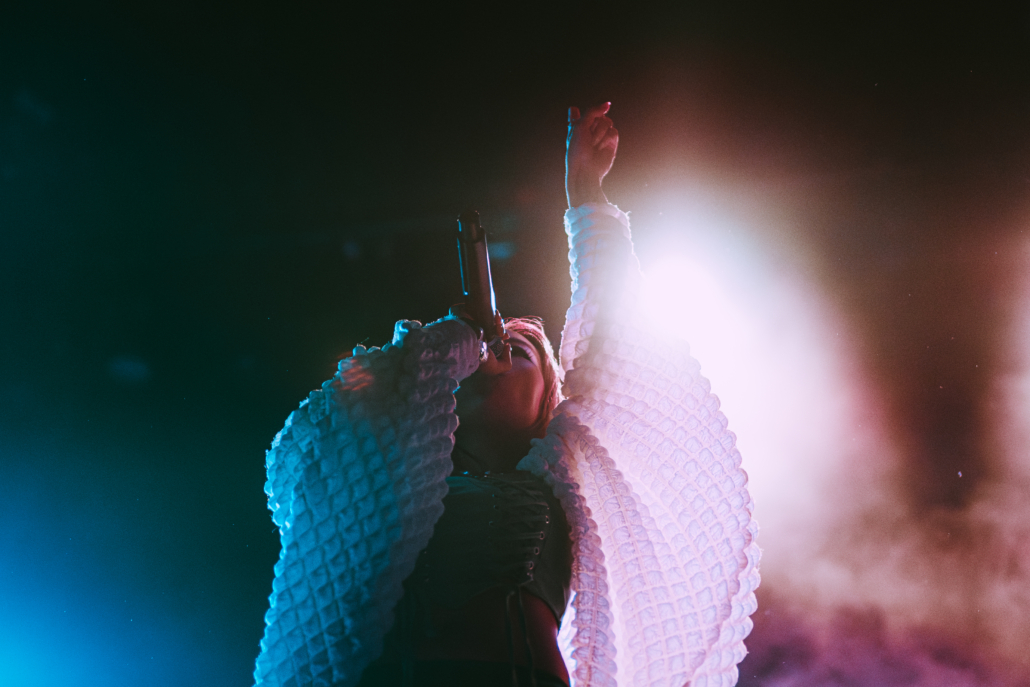
Half Alive at House of Blues, Anaheim 18.10.23

Getting onto a Publication:

  1. Apply

If you plan to photograph outside of Paddington Arts for any reason, there are a lot of small online music publications with application sections that are more prone to being open during the summer. Being backed by a publication is vital in getting approved for the higher-profile shows that you want. Often, you’ll be asked to submit your portfolio, a list of your gear, as well as your favorite musicians.

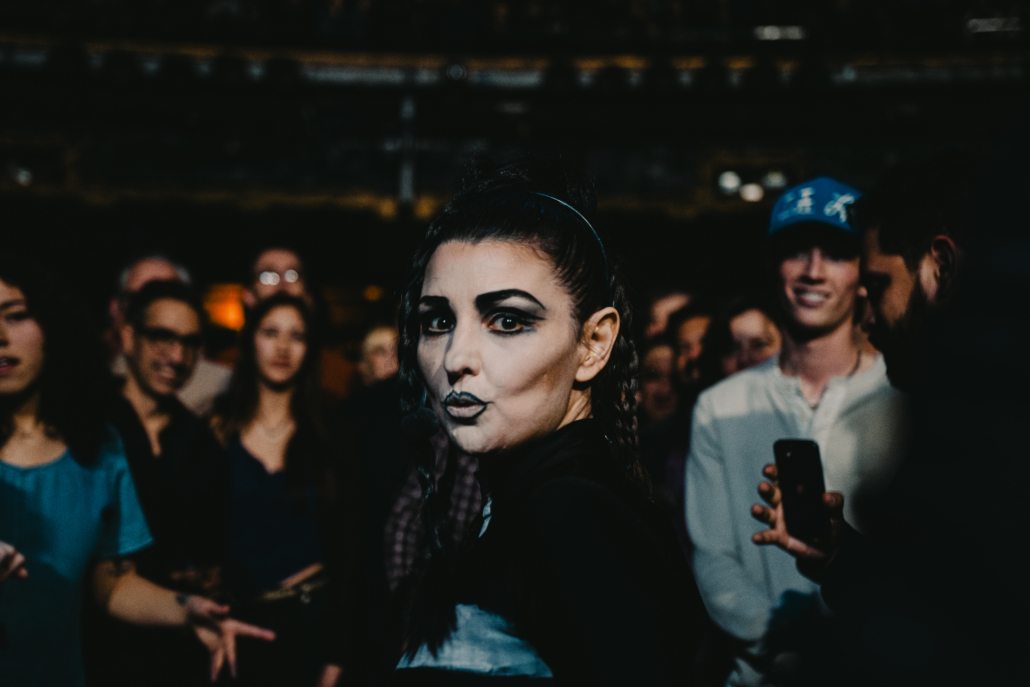
Christian French at the El Rey Theatre, Los Angeles 22.10.23

Applying for Press Passes:

  1. Editors

Stay in communication with your editor. If it is your editor’s job to apply for the shows that interest you, then don’t violate that unless you get permission and don’t be afraid to follow-up.

2. Review

You will also have a higher chance of getting approved for a show if you are able to write a review accompanying a gallery.

3. Be professional

If you’re the one directly communicating with the band’s PR contact, then be professional. Make sure they know your name, have access to your publication’s website as well as your portfolio, and ensure that they know what the press access will be used for. Don’t be afraid to follow up with these contacts as well, especially a week before the concert to remind them that you exist.

4. Use connections

Connections are everywhere. My alumna got me into the KIA Forum in Los Angeles to photograph an EDM artist San Holo with all-access–which was a surreal experience as I had just seen my favorite band Paramore performing at the same venue only a few months earlier–and my mother’s friend’s daughter got me access to her friend’s gig which was Devon Gabriella opening for Christian French at the El Rey Theatre in Los Angeles.

5. Transportation

Getting a photo pass will often come with free entry to the show, but keep in mind that you will still need to transport yourself which is a lot more difficult and expensive in car-dependent cities.

My first press pass 18.01.20

Shooting the Show:

  1. Be respectful

You will be let into a special area between the barricade and the stage called the photo pit. Make sure you don’t get in the way of the other photographers as much as possible. Don’t ever enable flash on your camera, as that can be very distracting to unexpecting performers and will result in you being kicked out.

2. First three songs

You will be limited to photographing the first three songs in the photo pit unless given special instruction so don’t fight to remain there after the allotted time. Afterwards, know the rules about shooting from the rest of the venue and what areas you would be allowed onto (ex. balcony). Don’t be afraid to check in with the security about the rules.

3. Camera settings

Shoot in manual mode and keep an eye on your light meter. The lighting will change unpredictably and depending on the genre, there can be rapid action so make sure there is enough light as well as a high enough shutter speed. Photograph in bursts to capture the best moments. From my experience, the most action–specifically in hardcore, punk, and metal genres–results in the best, most unexpected photos.

Geneva Jacuzzi opening for Automatic at the Fonda Theatre, Los Angeles 12.12.23

Coverage:

  1. Turnaround speedy but quality coverage

Submit 12-20 of your best photos to your editor. The ideal content turnaround timeline is 24-48 hrs from the concert, though bear in mind that your editor may be slow in going through the content that you sent over so don’t be afraid to follow-up. However, in the case that photos need to be approved before publishing, send a folder with the files to the artist manager first.

2. Send coverage to PR

If it was your personal responsibility to email the artist PR contact, then email them the coverage once it’s posted on the website to show that you are reliable enough to work with them again in the future.

3. Photo usage

Try not to post your photos from the show before it’s released by your publication unless you receive explicit permission to do so. Also don’t send your photos to another publication to use if you acquired a press pass through a different one.

4. Build your portfolio

If you end up getting good photos, make sure you update your portfolio!

JVNA opening for San Holo at the KIA Forum, Los Angeles 06.10.23

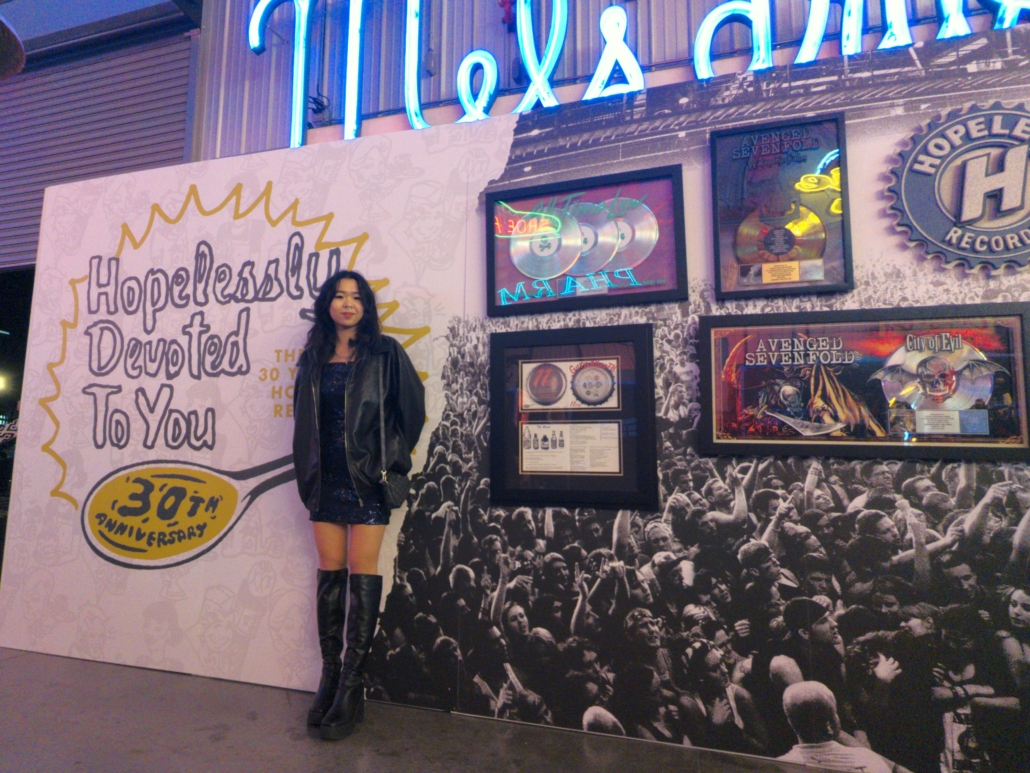
My early experience in this has led to my further interest in becoming a part of the music business, which admittedly arrived late due to the COVID-19 pandemic throwing off my career trajectory, yet it luckily still arrived regardless. A turning point for me was that through one of my publications, I was invited to the Hopeless Records’ 30th Anniversary museum opening party in December 2023 and had the opportunity to mingle with artists and creators in the industry that I had known about for years. In my future, I hope to become involved in record label marketing, starting out with internships in Los Angeles, CA where I am based, and it all started because I loved music too much as a teenager.

Me at the Hopeless Records 30th Anniversary Museum Opening 8.12.23

All photographs by Carissa Leong (@carissalphoto.cr2).