
Hadestown at the Lyric Theatre
By Leah Gabriella Cardenas
I saw the award-winning musical Hadestown at the Lyric Theatre on Saturday, July 11th.
I bought my tickets about five days prior for just £39. There was plenty of availability at a range of prices and views. The show is also running until June 2027.
I arrived right when the doors opened, 45 minutes before showtime. The queue moved fairly quickly and I was inside the theatre within 10 minutes. I immediately got into another queue to purchase a program from the merchandise stand. There were quite a few other merch items from t-shirts to a vinyl of a live recorded performance.
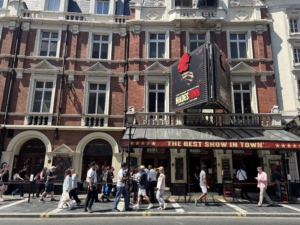
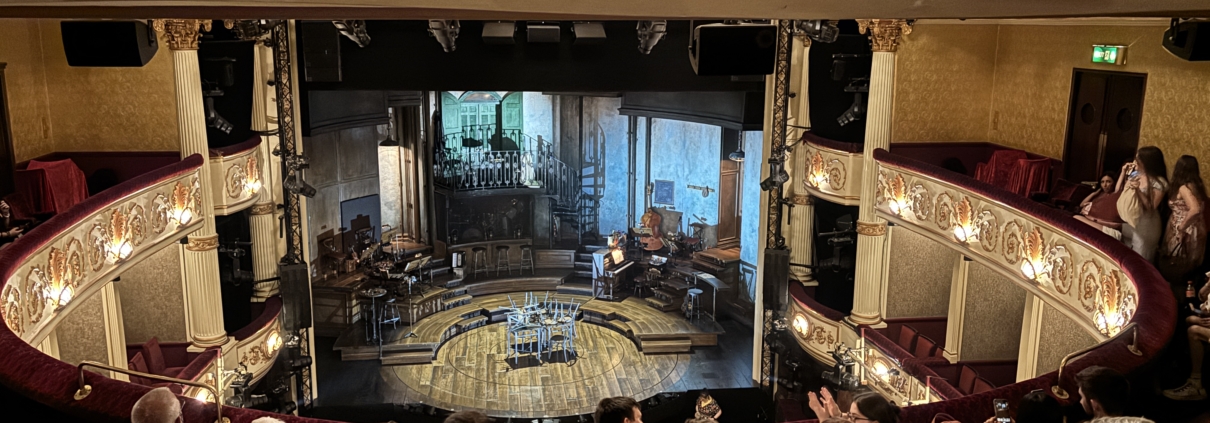
The Lyric Theatre is located on the busy Shaftesbury Street, near a number of other theaters. Inside, the walls and ceilings are decorated with red velvet, gold accents, and chandeliers. The theatre only seats 938 people so the show felt pretty intimate.
I sat in row F of the Grand Circle section. My seat was in the middle which gave me a great view of the entire stage. However, just a few seats to the left and right of me had extremely obstructed views with poles blocking over half of the stage. It surprised me that the theatre sells those seats at all.
I spoke to the couple sitting next to me who also luckily missed the obstructed view by a few seats. They had not known much about the musical but just wanted to see a West End show and came across Hadestown. I got to give them a little synopsis of the show before it started.
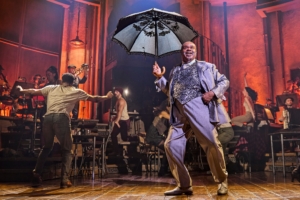
Photography by Brinkhoff Moegenburg
Hadestown follows the relationship between Hades and Persephone as well as Orpheus and Eurydice. Eurydice voluntarily goes to the underworld because of the harsh weather on the world above that occurs in Persephone’s absence. Orpheus then sets off to get Eurydice back, but Hades won’t let them go that easily. Hermes the messenger god acts as a narrator.
It was first performed in London back in 2018 right before going on Broadway in 2019. Since then, it has won the Tony award for Best Musical and the Grammy award for Best Musical Theater Album. This current West End run started back in February of 2024.
I had never seen the show in full before, but I’ve listened to the soundtrack many times. When it came to the set design, lighting, and costumes though, I truly had no idea what to expect.
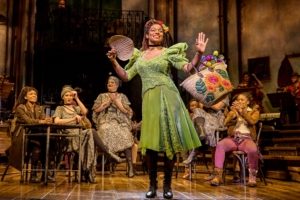
Photography by Brinkhoff Moegenburg
The set was almost like a jazz bar which makes sense with the music. The musicians were on both sides of the stage on platforms that created walkways between them and the balcony in the back center. Throughout the show, the worker ensemble would move the tables and chairs around center stage to create new scenes. Then, when Eurydice goes to Hadestown, the sides of the stage where the musicians are moved out, leaving more room in the center and walkways. This also allowed the rotating stage floor in the center to come into greater play.
The main cast for this day was Marley Fenton as Orpheus, Bethany Antonia as Eurydice, Juan Jackson as Hades, Clive Rowe as Hermes, and Rachel Adedeji as Persephone. Each of their performances were amazing, but Persephone and her voice truly stood out to me. Adedeji also played a great drunk, which was both entertaining and showed part of why Persephone chooses to spend half the year in the underworld.
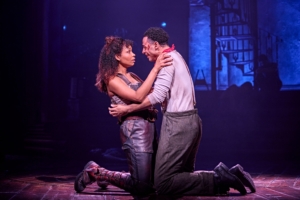
Photography by Brinkhoff Moegenburg
During the 20 minute interval, I spoke with a grandmother who came to see the show with her granddaughter. They came about two hours out of London just to see the show. The granddaughter was a huge fan of Hadestown while the grandmother was there to spend time with her. So far, they said their favorite part of the show was the Fates. The Fates act as a conscience, pressuring Eurydice, Orpheus, and even Hades. The granddaughter talked about their harmonies. I also liked the height difference between this cast of the Fates because it made for some dynamic formations and choreography.
Towards the end of the musical, is the recently viral “Wait for Me (Reprise)” which Antonia portrayed Eurydice’s verse more as encouragement than desperation and I liked that. I thought Antonia and Fenton’s characterization of Eurydice and Orpheus, respectively, made the ending even more devastating.
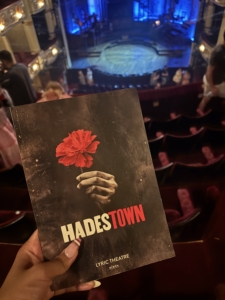
After seeing the full show live, I have come to appreciate the musical even more. The costumes and set made the story come to life. On top of that, this cast was phenomenal and so I raise my cup to them.
Hadestown will be touring the United Kingdom and Ireland in 2027 so if you’re unable to catch them at the Lyric Theatre, check out the tour dates here.

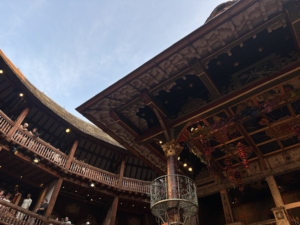



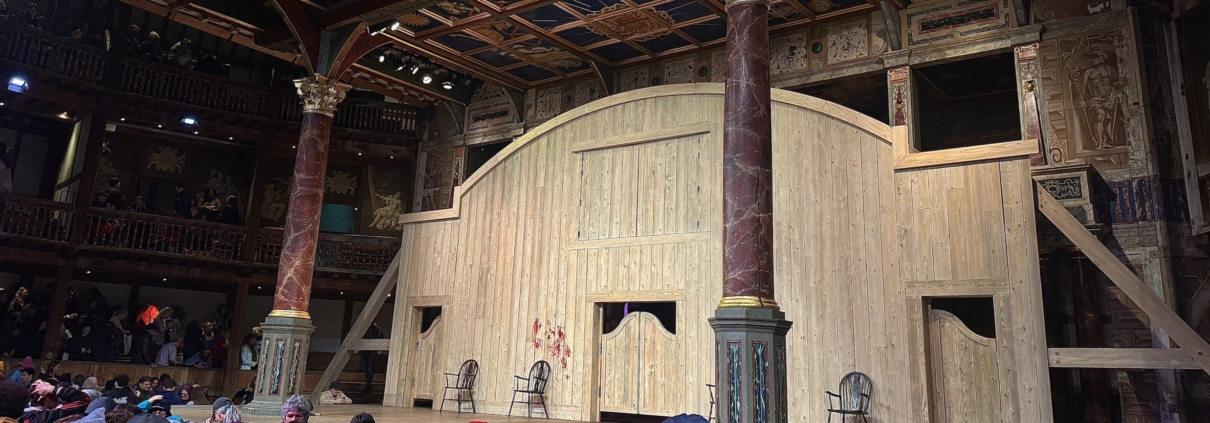
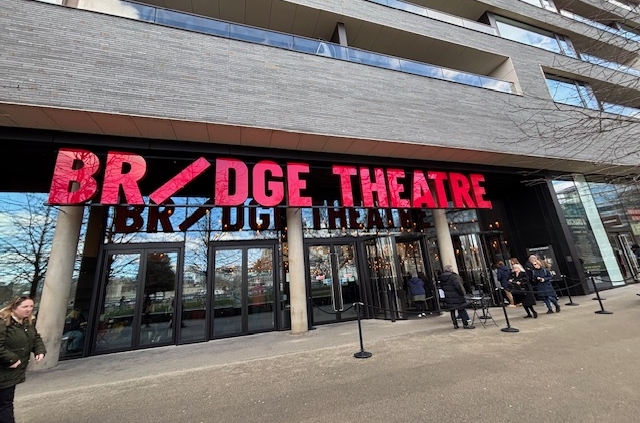
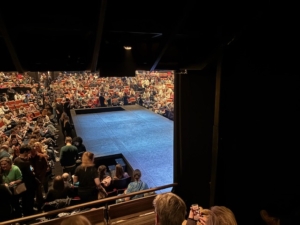 Imagine the inside of a theatre. The room is hushed, the lights dim, and a show is about to begin. It is staged in the round, with little to no props and sets. The story is a profound and intriguing tale of a man who has lost the perfectly comfortable life he once knew for one that is uncertain and unsettling. The performers are playing to a sold out audience and bring their best efforts to the stage. This very scene can be experienced at the Bridge Theatre, where Jonathan Bailey of Bridgerton and Wicked fame is currently starring in Richard II to a packed house of 900. The average price of a ticket is £69.50. The premium ticket is well over a hundred pounds and the cheapest comes at low financial price of £29.50 but a much higher cost of view. However, would it surprise you that this same scene could have been found at the Finborough Theatre earlier in March while “The Passengers” played to approximately 50 people for £20. The difference? Perhaps the influence of star power.
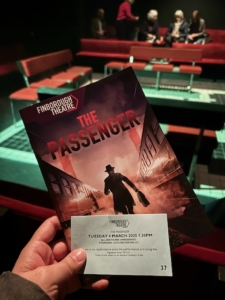
 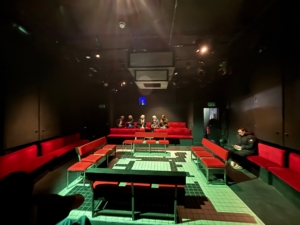 Fortunately, “The Passenger” was a sold out show for its entire run in February and March. With an inescapably intimate theater, every seat is a premium seat, incapable of missing a performer’s blink. It’s wonderful to think that over the course of its run almost 2000 people got to experience this show, which was one of the very best productions I’ve seen in the many, many years I’ve been attending the theatre. “The Passenger” is about a Jewish German citizen who tries to hide from Nazis by riding trains across Germany. Personally, the show had me on the edge of my seat for the entirety of the 90 minute show, without an interval. It was made up of a cast of only five actors, led by the talented Robert Neumark Jones as Otto Silbermann. He is extraordinary and I can’t wait to see where his career goes next.
 In other words, one can rely on the idea that if a celebrity joins a show, they are going to put on a performance of high caliber. Everyone on the cast and crew will certainly put their best foot forward too. If you plan to see a famous actor, you can feel confident that the production will likely be as premium as the price. Go ahead and nab that hot ticket (if you can). But remember that great things can be found in small packages. I strongly recommend venturing out to small venues and fringe theatre companies to find hidden gems!
