Posts

Wicked in the West End: The London Theatre Experience

By Julia Vetsch

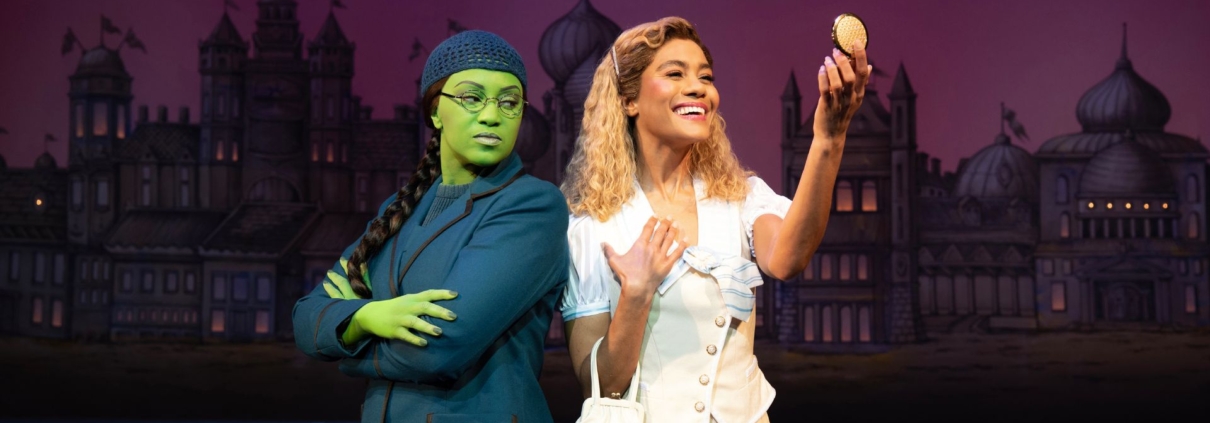
This past Saturday, I saw my first West End show: Wicked. As a lifelong theatre fan, and a longtime Wicked fan, I was absolutely thrilled to be seeing this show. I went with my mom and sister who were visiting from America, and we were interested to see how a West End experience varied from Broadway shows in the States. We walked into the Apollo Victoria Theatre and were greeted by an all-green interior, elaborately decorated to reflect the Emerald City. The green carpeting, staircases, and walls made us feel as though we were truly stepping right into Oz. 

Immediately as I entered the auditorium, I was surprised at the casual environment. Audience members were in jeans and t-shirts, eating giant buckets of popcorn as though it was a movie theater, and drinking straight from whole bottles of champagne. Some people had even brought their own food and drink, which is strictly forbidden at theatres in the U.S. When I go to the theatre in America, people are usually wearing dresses and suits, snacking on little boxes of candy only at intermission, and sipping tiny cups of wine during the show. This laid-back ambience only continued when the lights dimmed and the show began. While I am used to polite applause when the lights go down, followed by immediate silence, this audience cheered and whooped loudly. People behind me even continued chattering quietly once the show started, and nobody seemed to mind — in fact, it seemed to be the norm. I was definitely taken aback at first, quickly realizing that I hadn’t done my research regarding theatre norms in London. Attending the theatre here seemed to be an experience for everyone to casually enjoy, rather than being somewhat of an uppity status symbol as it sometimes feels in the U.S. 

While I no doubt expected the stars of the show to be amazing, I wasn’t anticipating for them to meet the perfect standard set by Cynthia Erivo and Ariana Grande in the recent Wicked film. I was also aware that the live performance wouldn’t have the same advantage of multiple takes and autotune (in other words, “movie magic”) that the film stars had. However, Lucy St. Louis, who played Glinda, struck me with her flawless soprano voice from her first verse in “No One Mourns the Wicked”. She sang with a dainty lightness perfect for Glinda’s airy personality, yet hit every impossibly high note with unwavering strength throughout the entire show. Elphaba’s actress, Alexia Khadime, was just as amazing, belting with crystal clear, incredibly powerful vocals. Throughout the performance, St. Louis and Khadime had impeccable chemistry and comedic timing — especially in the “Popular” scene, where Glinda tries to give Elphaba a makeover. During the show’s main event, “Defying Gravity”, both actresses delivered to their full potential. Their voices melded together beautifully and neither star ever missed a beat. Elphaba’s infamous final battle cry before intermission was almost identical to Idina Menzel’s original riff and gave me full-body chills.

While it took me a bit to get used to the relaxed, more fun environment of a West End show in contrast to the reserved, dressy atmosphere of a show in the U.S., I eventually appreciated the almost interactive nature of the performance as this created a friendly, lively experience. The show itself was exceptional, and achieved the difficult task of living up to the expectations created by the movie. Though Wicked was my first West End show, it certainly won’t be my last.

Mayhem Review: How Lady Gaga’s new album restyles her signature sound

By Julia Vetsch


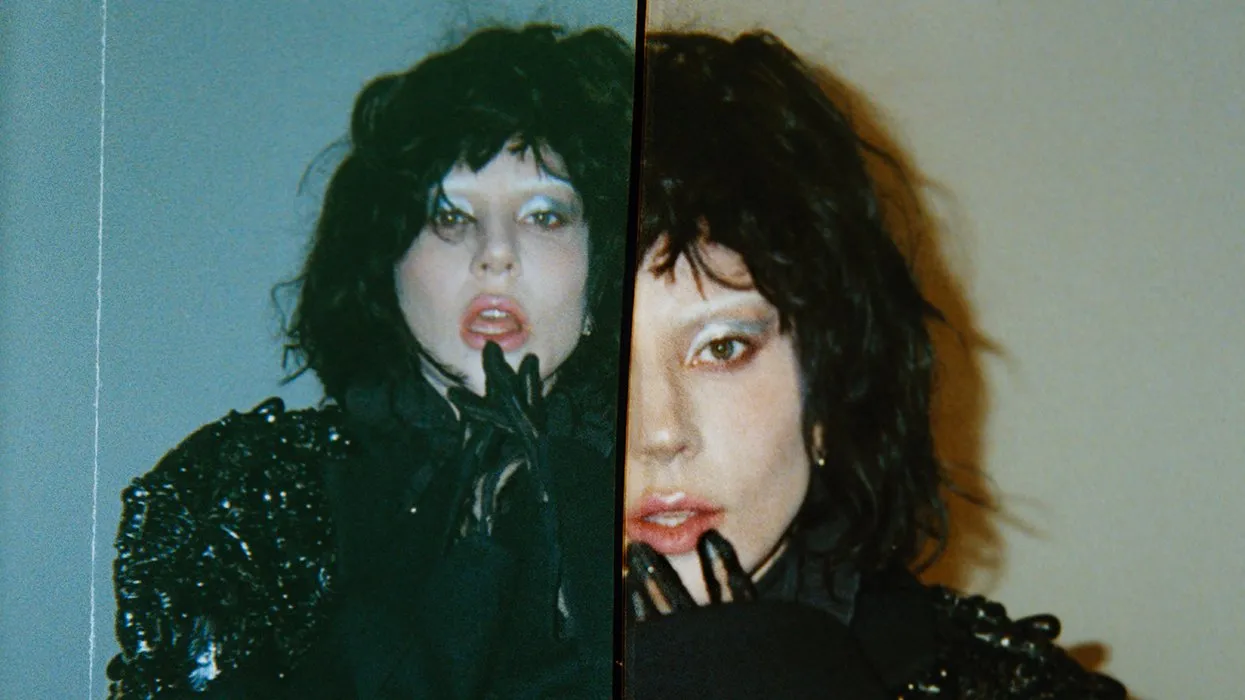
Calling all Monsters — Lady Gaga has shaken the pop scene once again with her new album, Mayhem. The album, released on March 7th, 2025, explores a return to Gaga’s original sound many fans know and love, reinventing her electronic and industrial roots. Fans of pop, rock, and techno are all sure to find something to love in this grungy masterpiece. 

Mayhem opens with “Disease”, a classic Lady Gaga electro-pop anthem. After a few opening bars of background vocals, the listener is hit with a powerful synth beat that sets the tone for the entire album and signals that Mother Monster is back and better than ever. 

“Abracadabra”, the second single of the album, exploded in popularity online with fans appreciating its lyrical reminiscence of Gaga’s 2009 track “Bad Romance”. A comment on a promotional TikTok video for the single exclaims “Lady Gaga is singing gibberish again, we’re so back”. With “Abracadabra”, Gaga recycles her own familiar yet unique musical ideas from the past by melding them into something new and refreshing. One listen to “Abracadabra” and you’ll feel like you’re in the club, the building beats and catchy chorus inviting anyone who hears it to get up and dance. 

Gaga reflects upon the turmoil, expectations, and resentment of her fame with rageful “Perfect Celebrity”. Fury is undeniable in her voice as she sings cutting lyrics like “I’m made of plastic like a human doll / You push and pull me, I don’t hurt at all” and “You love to hate me / I’m the perfect celebrity”, spitefully encapsulating the dehumanization endured by those in the music industry. The song flawlessly explores the difficulty of balancing her personal life with her public persona, exemplified by the metaphor of her “clone”, (“I’ve become a notorious being / Find my clone, she’s asleep on the ceilin’”).

One of my personal favorites, “Vanish Into You”, shows a more romantic side of Gaga. The song opens with her singing a capella, and eventually incorporates some soft yet striking piano chords as she jumps right into the chorus, giving listeners a taste of what’s to come. Suddenly, a beat is added, as well as drums, a synthesizer, and bass, and the song grows into a pop-rock masterpiece. Gaga’s raw powerhouse vocals, combined with touching chord progressions and longing lyrics (“Saw your face and mine / In a picture by our bedside… We were happy just to be alive / Can I-I-I-I / Vanish Into You?”) evokes a sense of wistfulness and nostalgia. 

Gaga takes a sharp U-turn with “Killah (featuring Gesaffelstein)”, singing the part of a femme fatale with an intentional and distinctive quiver in her voice. “Killah” incorporates elements of R&B along with techno, proving Gaga’s musical versatility and ability to transcend boundaries. 

Track 9 on Mayhem,How Bad Do U Want Me”, makes it impossible to sit still. Compared to a Taylor Swift song by fans on the internet, “How Bad Do U Want Me” has it all: a synth beat, a catchy chorus, and an impeccable bridge. With this track, Gaga definitely uses the Swift formula of creating a perfect pop ballad that hooks you in and doesn’t let go. Be warned — if you listen to this song, prepare to be humming it in your head for the rest of the day. 

Mayhem is living proof that familiar doesn’t mean tired; the album transforms a sound that Lady Gaga herself invented years ago into something new and inspired. Almost 20 years after her debut album, Gaga confidently shows the world that she isn’t going anywhere — and after hearing Mayhem, I couldn’t be happier that she’s here to stay. 

Exploring London’s Magical Christmas Markets

By Sami Mahfood

London’s Christmas markets are a must-visit during the holiday season, turning the city into a festive hotspot. From the massive Winter Wonderland in Hyde Park to the amazing lights and live entertainment at Covent Garden, each Christmas market brings something new to the table. Here are my reviews of some of London’s most magical Christmas Markets. 


Winter wonderland 

The Christmas event that London is most famous for would be Winter Wonderland. Winter Wonderland in Hyde Park is a must-visit during the holidays and offers way more than just a Christmas market. It is a combination of christmas markets, food halls, arcades, and an amusement park. There’s something for everyone, from shopping for handcrafted gifts, enjoying festive treats, over the top roller coaster rides, an enormous ice rink, and even themed bars like the Carousel Bar. There are also various entertainment options including live music, circus shows, and the incredible Magical Ice Kingdom. It’s perfect for a fun day out with friends or family, or even as a festive date spot. It starts to get more crowded and chilly later on in the day so I suggest going in the early afternoon. I went around 2pm with a group of friends and it was the perfect time to go! The entry tickets were 5 pounds, it was the perfect temperature, and not too busy. Although the food and games can be a bit pricey, its definitely a fun activity for all and something everyone should experience at least once while visiting London!

Covent Garden 

Covent Garden’s Christmas Market is the perfect mix of holiday magic and upscale charm. Famous for its dazzling Christmas lights and giant centerpiece tree, the market offers a cozy yet lively atmosphere. While it’s not a traditional sprawling market with rows of wooden stalls, Covent Garden features pop-up shops and boutiques alongside its permanent stores, offering a range of unique gifts, artisan goods, and luxury items. Live performances, including carol singers and occasional street entertainment, add to the festive vibe. It’s a great spot for an evening visit, especially if you’re into shopping and soaking up the holiday atmosphere. However, it can get quite crowded on weekends, so make sure to plan accordingly. Covent Garden Market also directly connects to the Jubilee Christmas market which has more pop-up stores continuing to offer a wide range of potential Christmas gifts. Surrounded by restaurants with seasonal food and drink and an arcade of various stores, Covent market might be my pick for number one Christmas market in London 2024. 


Leicester Square 

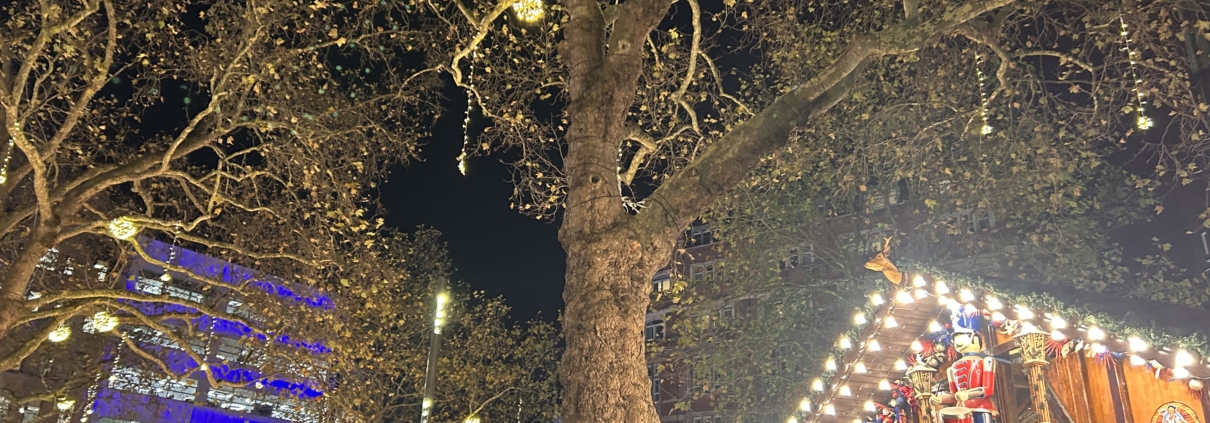
Leicester Square Christmas Market is a cozy festive spot right in the heart of London’s West End. Though it is a smaller market, it has charming wooden chalets with hand crafted gifts, ornaments, and seasonal treats. The highlight of this market is the location. You can walk through and grab a bite of festive food before you see a West End show or after your day of shopping. The gorgeous glow from Christmas Lights and the big screens illuminates the market making it a shining light in the center of London. This market also has Santa’s Grotto which young kids and families can enjoy. A statue of Mr. Bean on his bench is at the entrance of this market which adds a unique touch of British culture to this already very British tradition of Christmas markets. While it can get crowded because of the location and size, its intimate vibe and great entertainment make it worth a visit.

Lights, Camera, Action!: Behind the Scenes with Paddington Arts Students

By: Sami Mahfood


The magic of the performing arts often unfolds in the spotlight, but the real story begins behind the curtain. Every standing ovation is built on countless hours of hard work, creativity, and collaboration by passionate students dedicated to their craft. But what inspired these kids to take this journey into performance? And how has Paddington Arts been a beacon for them to express themselves?

Last Thursday, me and my colleague Karina had the pleasure of interviewing some of the older Paddington Arts students and asked them about their journey through this program. We wanted to focus on the impact that Paddington Arts has had on them, so we stuck to one simple yet significant question:

What skills or lessons did you learn at Paddington Arts that you still use today?

When asked this question, 19 year old Zion responded with “It’s [Paddington Arts] helped me with my people skills and actually like working within a team. So us like making choreography, putting in input, helping each other with what looks good and what looks bad”.

Shanice, 23, started paddington arts at 10 and is currently a GE manager at a restaurant. She responded to our question saying “I feel like the lesson I learnt through dancing, especially for me anyway, is a big stress relief. So I feel like if I’m stressed with anything or if anyone else is stressed with anything, the best thing to do is just dance”.

Jackson 19, who started when he was 5 says, “I was learning how to public speak and be confident in front of people, I’ve definitely used that skill up till now”. Similarly, 19 year old Joshua, “learned how to be more creative and confident in my ongoing life”. 

Elina, 21, started Paddington Arts at 16, “learned skills off my teacher on how to choreograph, so now I create routines with my other dance groups and I’m able to teach”.

Through these responses we are able to see the importance of performing arts and how it contributes to our growth as people and adds to our character. Below is a compiled picture of these talented dancers who have evolved their talents through Paddington Arts.

Pictured left to right – Joshua, Shanice, Zion, Elina, and Jackson.

Interview with carnival artist Carl Gabriel

Reflecting on My Internship Experience

By George Clyde

My experience with Paddington Arts has been brief but filled with learning experiences across the board. I went into my abroad program in London with the intention of getting a chance to try my hand at journalism for the first time outside of a school setting. As it turned out, my placement couldn’t have been more perfect. The staff at Paddington Arts welcomed me in and guided me towards stories as well as providing me with the equipment I needed. 

One of the struggles for me with journalism has always been inserting myself into situations that are unfamiliar to myself and I think that’s where I’ve had the most growth. My first project with Paddington Arts was never published, but it was still a good experience. I was tasked to go out and take photographs of people and shops on Harrow Road. I felt uncomfortable at first pulling out my camera in front of people. I didn’t know any of the unspoken social rules in this country, and so I felt like I didn’t know who would be offended and when. The more I took photos though, the more I realized how little people cared. 

In my second assignment I was once again thrown into unfamiliar territory. Steve dropped me off at Grand Junction, where a folk performance was happening that night. With my camera in hand and a few broad questions ready, I really had no plan. Once again though, I just started asking around and taking pictures of whatever I wanted to take pictures of. The headliner, Frankie Archer, was happy to talk to me, and I even set up another interview with the artist before her.

In Journalism, you’re always working outside of the routine. Any good piece is going to have something unique to say, and you don’t have unique things to say if you don’t step outside of the monotonous flow of what people expect you to do and say. I think that in my later assignments I was much more comfortable with going after what I needed and putting aside my nerves. Those experiences also gave me the confidence to go out and record my own project in Hyde Park centered around friendship.

Toward the latter half of my internship I got the chance to get some valuable film and editing experience when I went to interview the sculptor Carl Gabriel nearby. I was given plenty of opportunities to practice photography as well, including during Paddington Arts’ production of the musical Annie

I do wish I had another month or so here. I feel like I’m just hitting my stride, and I’d love to go out and take the initiative to find more stories in this community. I am happy though with what I’ve accomplished in this month or so, and I’ve appreciated being a part of such a tight knit and committed community here. You never know, maybe I’ll cross paths with Paddington Arts again in the future.

Tomorrow’s Hope: Paddington Arts Makes Annie Their Own

By George Clyde

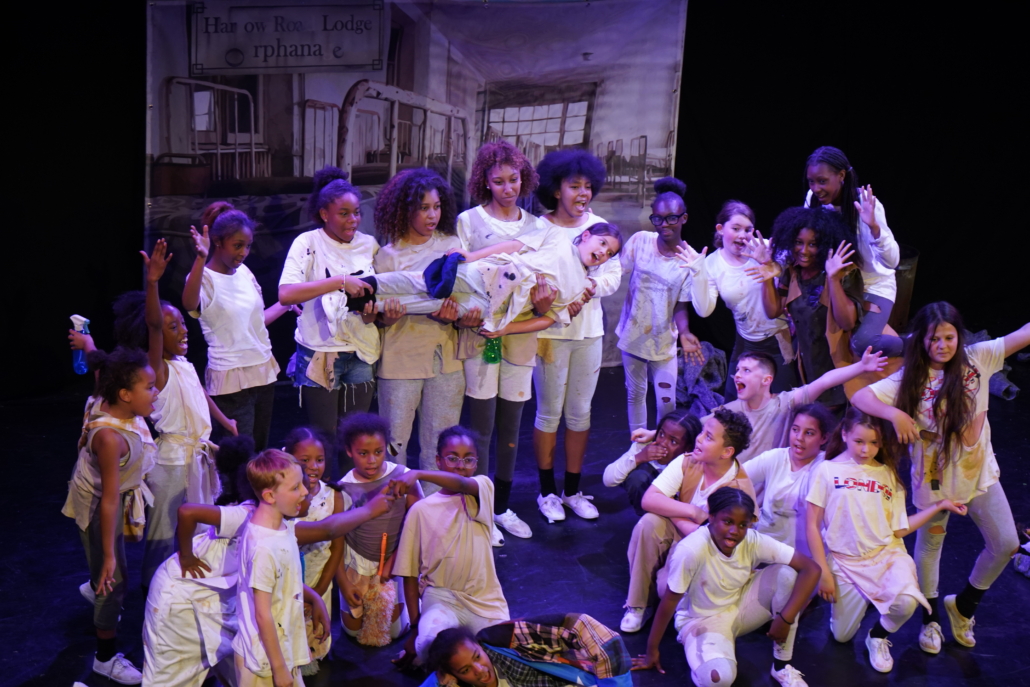
The opening night of Paddington Arts’ production of the musical Annie was a celebration of what Paddington Arts has meant for so many in this community. Parents, many of whom had been through the program as children, greeted each other with warm smiles and gathered under the comfort of familiarity to watch their kids perform.  “It’s a sense of belonging,” said Melissa, who joined the program when she was 6 and now helps teach, “When you come here you feel a part of something, and I think that’s really important for young people…It just feels like home.” 

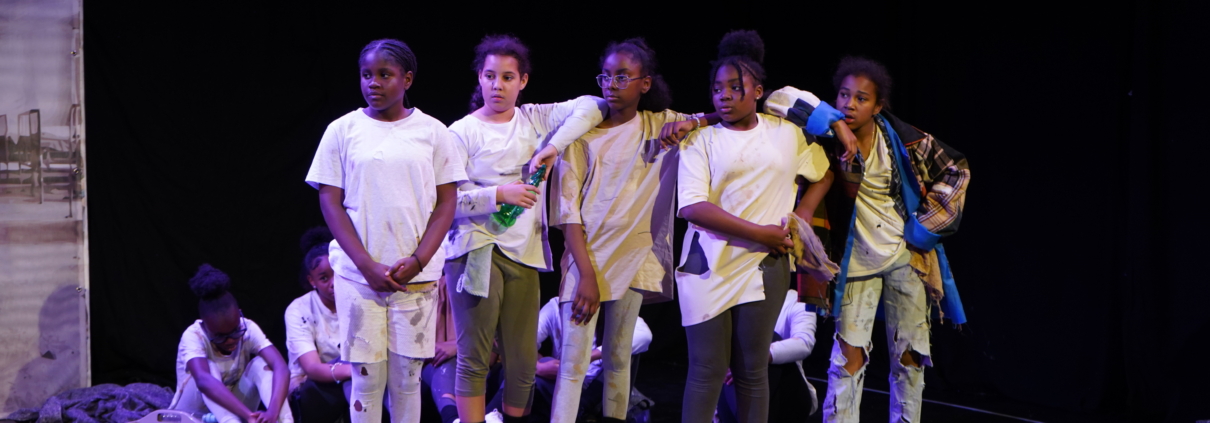
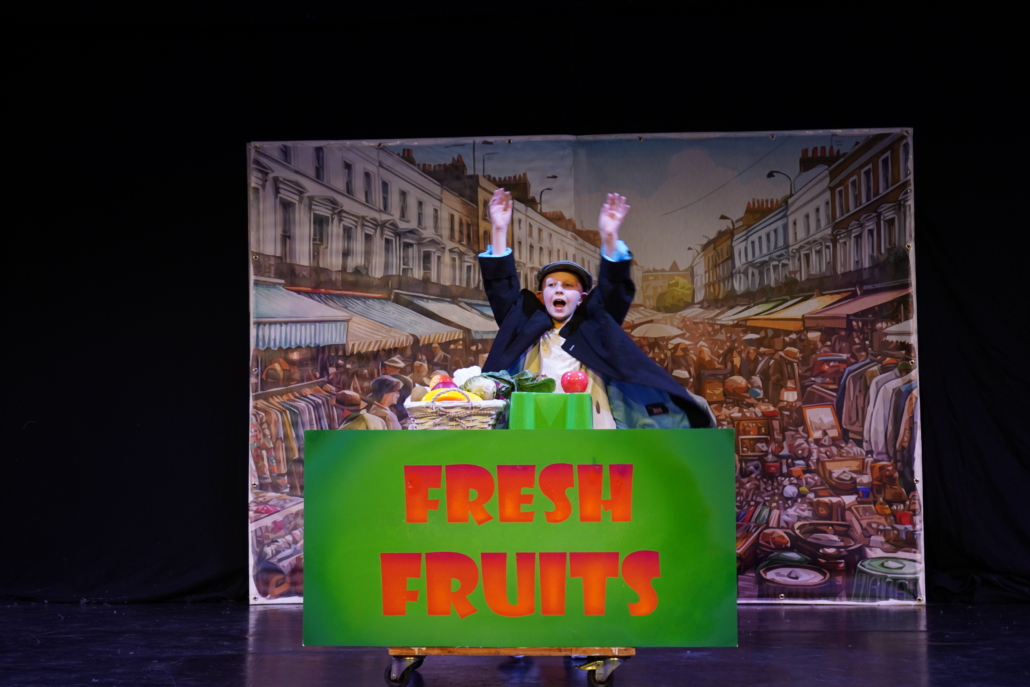
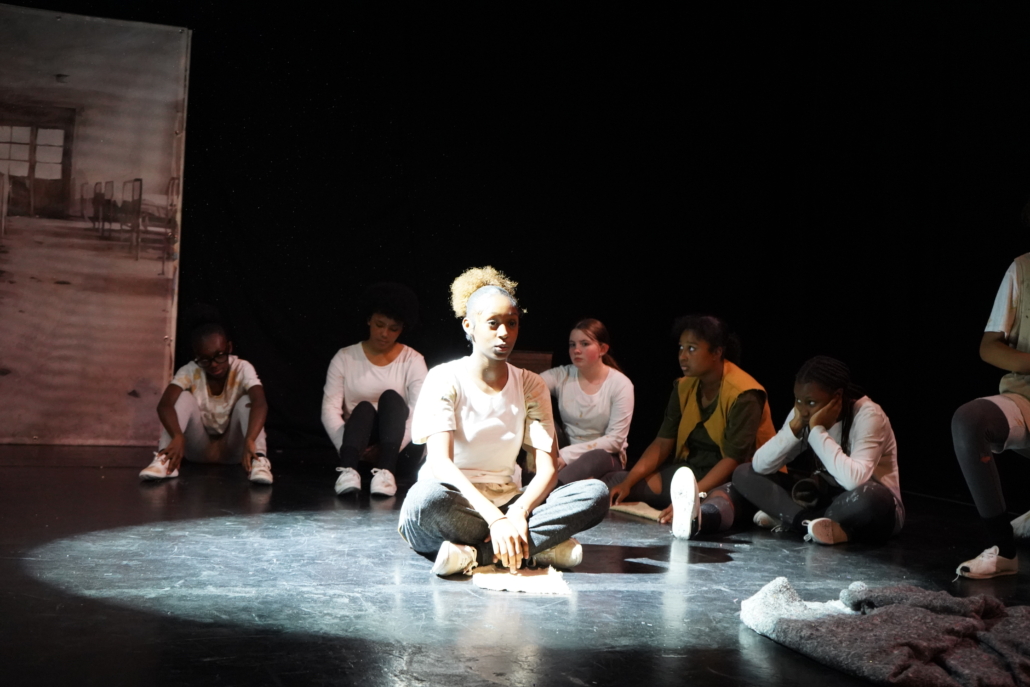
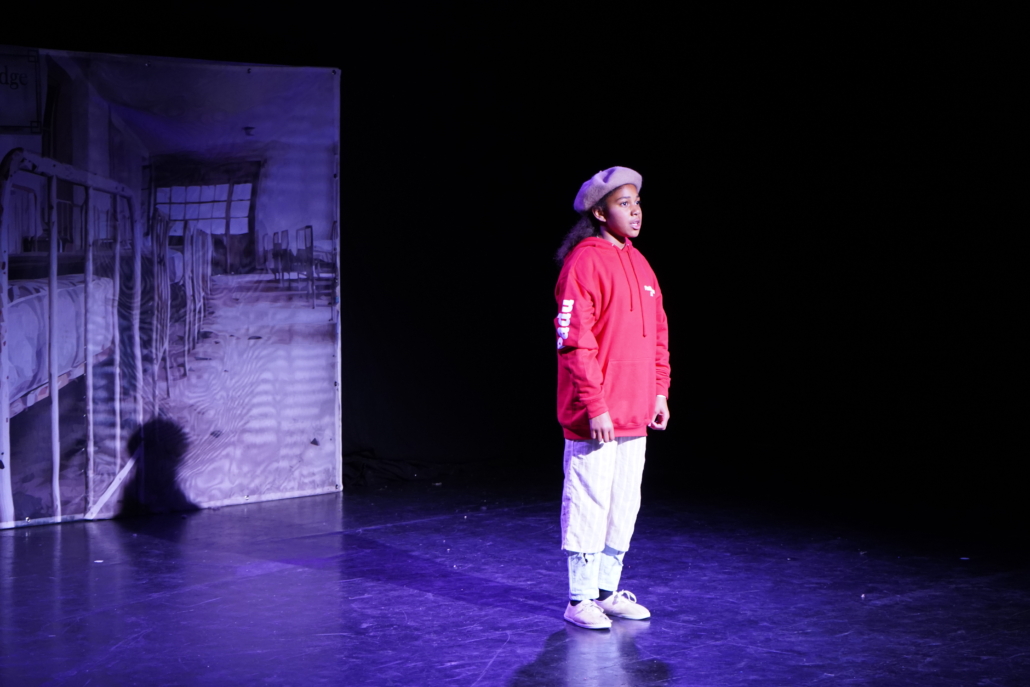
The play is loosely based on the original plot of Annie, but the script is new and a lot of the story has changed as well. It features explosive dance routines and musical numbers ranging from Drill remixes of It’s a Hard Knock Life to Michael Jackson’s Smooth Criminal. The story starts out with Annie in the orphanage, longing to find her parents one day. She escapes to look for them but eventually returns back to the orphanage and hatches a plan to get the abusive head, Ms. Hannigan, arrested. The plan ends up working and the orphanage is reformed and renamed as Paddington Arts. 

The circumstances were made up, but the theme of young kids searching for a home rang true to what Paddington Arts has provided for many young children in this area whose families wouldn’t have been able to afford other programs. “People talk about young people just hanging on the corners smoking and what not. They don’t have places like this,” Steve Roberts said, one of the staff members at Paddington Arts, “Do you know how many kids are out there that have nowhere to go, no interaction with parents?…Young people need places like this.”

What was really special about this production was that it brought together kids across all age ranges and included children with hidden disabilities like autism and ADHD, sometimes fairly severe. “It’s hard work. This is one of the hardest projects I’ve done with Paddington Arts,” Eldora said, the script writer and director of the play. “I don’t think I could stand here and tell you everything that we’ve learned. It’s a lot.” 

Eldora ran through story after story of hurdles that the team had to overcome in order to make the play happen. One kid had an emotional breakdown when he wasn’t able to come in first for rehearsal. Another kid took three weeks to be comfortable sitting behind the curtain and even longer to get comfortable without her wool hat that she wears every day. She now has one of the bigger roles in the play. “Month number 1 and 2 it was like we’re never gonna pull this off,” Eldora said. “The journey we’ve been on to get to this point, it’s amazing.” 

While the older kids were hesitant at first to do a play with the younger ones, many of whom had disabilities and took much longer to get the hang of simple lines and directions, they’ve now formed a real bond with each other. Everybody involved with the play expressed how heart-warming it’s been to see the older ones embrace the younger ones and support them when they need help. “These young people have broken barriers, formed bonds, and where differences were not accepted, they have been celebrated,” Eldora said in her opening speech, “It was incredible to see how mainstream youth and those with hidden disabilities supported each other, learned from one another, and grew together.”

For some with disabilities, Paddington Arts is the only place they have to work at something and be able to express themselves in front of others. One father pulled Eldora aside and told her, wiping away tears, how much of an impact this play has had on his child’s ability to express himself. Another parent told her “I can’t believe how extroverted my child has become. He’s like an entirely new person.”

As the play went on, the invisible wall between acting and reality became thinner and thinner. Here were these young kids acting out a play about finding a home amongst each other amidst constant turmoil in their lives, and here they were at Paddington Arts, finding that very home.

“The orphanage still stands today under the new name of Paddington Arts,” Annie announced at the end, as the fictional world began to blend in with reality. After applause and bows, Asia, the actress who played Annie, whose two younger siblings and mother have all been a part of Paddington Arts, comes out on stage to sing the theme one last time.

Looking into the audience, with a few teary eyed parents and a stillness throughout the room, she sang the song’s hopeful lyrics one final time: “The sun’ll come out tomorrow. So you gotta hang on till tomorrow, come what may. Tomorrow, tomorrow, I love ya tomorrow. You’re always a day away.” 

The Art of the Interview: My Experience Interviewing Artist Carl Gabriel

By George Clyde

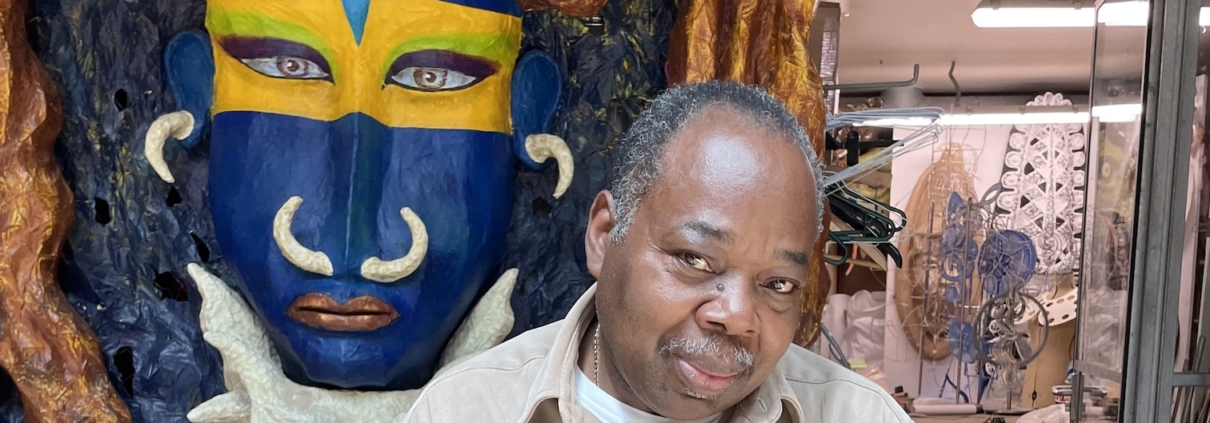
As part of my internship experience with Paddington Arts, I got a chance to interview local artist, Carl Gabriel. Carl immigrated from Trinidad to London when he was around 8 years old. He attended university for engineering, before changing paths and using his technical abilities to become an expert wire-bending sculptor and a prominent figure in the carnival arts scene.

When I began to prepare for the interview, I decided that I wanted to shift the focus away from the actual technicalities of his art, which his past interviews online had centered around, and tell his story as a person. Through his own personal journey, I hoped to find something deeper about immigration or activism in the arts or access some new perspective about the ideas and people that make carnival what it is. 

When I started off the interview though, Carl immediately pushed me away from touching on his life story. “Let’s keep it to carnival,” he said. Attempting to switch my focus up on the spot, what I came away with was an interesting interview, with some good insights and brief personal moments, but it was scattered and it lacked a center. My takeaway, as I continue to learn and grow as a journalist, is that rather than forcing the interview away from his identity as an artist, I should have explored him through that route.

An interview is always a push and pull between the interviewer and interviewee in terms of which direction it takes, and I don’t think I quite got that balance right. Moving him away from the technicalities may have been a good move, but I feel that I moved him away from his art as a whole. By asking him about what the different pieces meant to him and getting him to tell those stories, I may have gleaned something of his relationship with his art and the ideas and beliefs that drive him as a person both in his art and outside of it. It didn’t help that the second part of the interview, where he took me around and did begin to talk about some of his individual pieces, was cut off by the camera running out of storage. I also wish that I got some stories about his time working with the other carnival pioneers. I think that would have shed some more light on what the experience of carnival was like from the inside. 

What I did really like about the interview was that you got the sense of his strong attachment to wire-bending as an art form and his commitment to authentically representing West Indian art and culture. He talked about his introduction to engineering back in Trinidad, which contrasted well with the end of the interview where he discussed how he’s now committed to passing on the skills and traditions to the younger generation. “I want them to know that there’s an outlet for them to represent our culture,” he said. “If they do it right, there’s opportunity there.” Even if the interview wasn’t as focused as I would have liked it to be, I do feel that it gives a good sense of Carl’s demeanor and personality. As a personal experience, I very much enjoyed getting a chance to enter Carl’s space and have a conversation with him about his journey into the arts. In the process, I’ve learned some valuable filmography, editing, and interview skills that I’ll certainly take with me into the future.

Staying Grounded in a Digital World: An Interview with Freelance Social Media Manager Karina Saniuk

By George Clyde

Since the introduction of social media in the early 2000s, we all have had to learn how to balance two separate worlds, the one on our phone screens and the one we exist in physically. It isn’t possible today to be a member of society and ignore one or the other. Every person, every company, every city exists here on earth but also in an online reality where a flawless self-image must be presented and maintained for the world to see. That’s where Karina Saniuk comes in, a freelance social media manager who works here at Paddington Arts. Her role is to help people achieve online perfection, perfection that can only exist in the glittering realm of social media. 

Karina didn’t have a degree in marketing, communications, or photography. In fact she had little to no experience with any of those things. She was taking a gap year before college and working as a waitress, when she got an opportunity to help a company out with social media. She loved the creativity involved in the work, and slowly but surely that job turned into more and more opportunities. “If I saw a company that needed help with their social media, I would reach out to them. If they ignored me, they ignored me. If they didn’t, they didn’t,” Karina said of her early days in this line of work. 

Initially she looked to other social media pages in hopes of emulating their formula, but what she soon realized as she got behind the scenes is that everybody is still figuring out how social media works. “I thought that successful marketers and social media managers had a way of doing it, and because they do it that way, they’re successful,” she said. “But I’ve soon come to realize that no one knows what they’re doing.”

In just a few years she’s learned how to edit, film, photograph, and work with companies to craft something that represents their values while also broadening their audience. 

Karina taking videos of a concert for social media

This kind of persistent, try-everything attitude is what’s gotten Karina this far. But what you wouldn’t know from her social media posts is that she does deal with a lot of anxiety and feelings of inadequacy. Even for Karina, who’s career is built around social media, it sometimes can become too much.  “I think, to be, like, on a real and be vulnerable, I have been struggling with my mental health in terms of social media recently. And, it’s, especially when you have pressure to do a certain job on a certain project, and then you look online and you see people doing really well, and, it does, it’s, I’m not going to swear. It basically messes you up.” 

“I shouldn’t be in this room right now,” she remembered thinking early on. “I’m not qualified enough.” What Karina’s learned to do though is embrace that anxiety. “When I don’t feel like that, that’s when I’m not growing,” she told me. “So sometimes the anxiety, in a healthy dose, it’s an indication that this is way out of my comfort zone and I just need to keep pushing.” 

In between her work, Karina looks for ways to ground herself back to the real world. Whether that be taking nature walks, which she does routinely, or just simply turning off her phone and reminding herself that “You don’t work for the UN. The world is not going to die if you dont post or something doesn’t go out.” 

As well as keeping her own mental health under control, Karina has also had to learn how to guide other people through their anxieties about putting themselves and their work out in front of so many strangers on social media. She describes herself as often having to play the roles of “coach” and “cheerleader” for people who are nervous about presenting themselves online. 

“I can give you an example, Paddington Arts, the team was really shy. They didn’t want to be in posts at the very, very start. Wasn’t that right Steve?,” Karina asked playfully, turning to Steve Shaw, the team’s director. “And now I’ve got Steve on an interview. It’s a combination of gaining trust from the company as well.”

Karina talking to co-workers at Paddington Arts

At the end of the day all of the anxiety and eventual satisfaction that Karina deals with in the real world is what you don’t see when the final glimmering product goes up on social media, but it’s the part that makes it all worth it. “One of the most rewarding things is working for a more personal company like Paddington Arts and actually seeing your work do well,” said Karina when I asked her what gives her the most satisfaction. “Even like little moments when I talk to the kids about how to be safe online, that’s quite rewarding. And also seeing that my work for a charity has made an impact that always makes a difference.”

Humanity at Our Most Unsettling: An Interview with Folk Artist Frankie Archer

By George Clyde

A small canal runs through North Paddington, lined with colorful houseboats and street art on the walls of housing units nearby. It’s a scene that’s unique to this area, which is famous for its ethnic diversity, its history of social activism, and its ongoing relationship with the arts. On the night of Friday, June 7th, if somebody had been walking along the canal and strolled into St. Mary Magdalene church, now used as a venue for the arts called Grand Junction, they would have come upon a dimly lit folk performance, pulsing with the artistic vitality of the area. The night featured traditional folk music from Iran and the US, a solo performance of more modern original folk songs, and reinterpreted classics from the North of England, infused with electronic elements and sung by the headliner, Frankie Archer.

I had gotten a chance to interview Frankie earlier in the day during sound check. At the time she wore blue jeans and a white shirt from 1985 that showed support for miners from the gay community, and she had been cheerful and happy to chat about her music. But here on stage she was transformed.

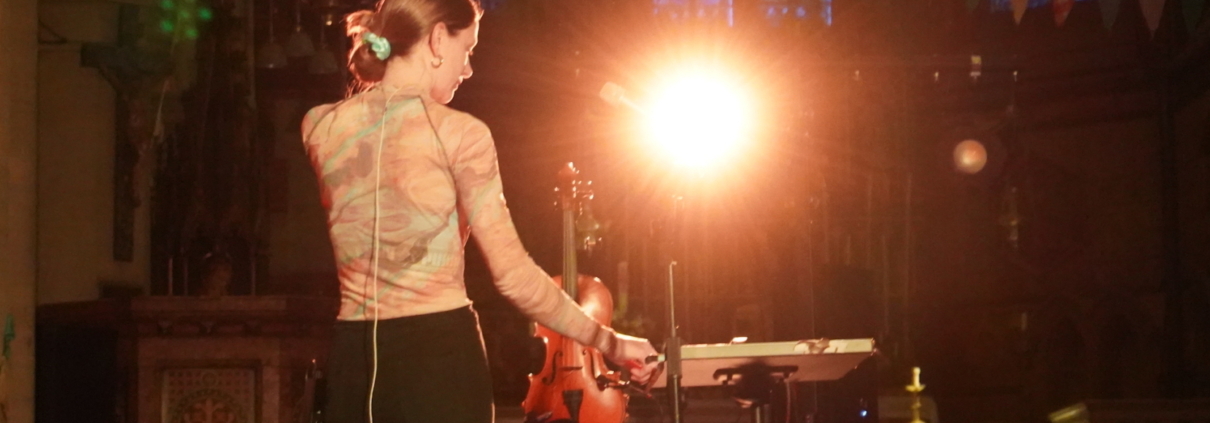
A golden stagelight illuminated her face; her arms waved gracefully as she looked into somewhere far beyond the crowd and sang these harrowing songs about murder, incest and rape. Clearly Frankie wasn’t crafting her music for commercial success, and this wasn’t the image of herself that she presented in her ordinary life. Some part of herself, deep beneath the person I talked to earlier, was out there on stage.

From a young age Frankie had been doing things her way. Her parents weren’t musical or artistic and she admitted that folk music was “a very uncool thing for a 12 year old to be into,” but to Frankie it just felt right.

“In school I had been taught to read the notes off the page. It was very strict. It wasn’t fun. But this was fun,” Frankie said, remembering her first introduction to folk music.. “There was so much energy in it.”

After many years of playing with a few bands at local pubs and working some jobs in between, Frankie finally made something that she felt was unique to her, so she put it out as her first single. “I was messing around doing everything. I was composing in some contemporary classical styles and then doing lots of Bulgarian influenced stuff and some like synth pop songs. I was doing everything really. And this was the one that just seemed like nobody else or like nothing else.”

The song is called Over the Border. It’s an old tune that Frankie added lyrics to about nature’s indifference to our man-made borders. The video features an interpretive dance along Hadrian’s wall in the north of England, where two lovers are separated by it before coming together.

The single seems fitting as an opening for Frankie’s career, which has carried the same disregard for borders and genres. Her tracks infuse all kinds of different electronic music elements. Throughout the performance at Grand Junction, she was constantly switching back and forth between looping electronic drum tracks and picking up her fiddle.

“I don’t work very consciously,” she said of her writing process. “I just sit down and then a thought comes into my head like, oh, you need to do this thing. You need to add this thing. So I do. And I really, really like that flow of building.”

For Frankie that flow state often seems to take her to some dark places. “I don’t sit down and process the emotions consciously. But obviously, like, this is something I really resonate with. So I think, I think it’s kind of very, very deep in us. And yeah, I think I do make connections with certain songs because of certain experiences, but I’m not digging into where they are. I don’t know exactly. It’s subconscious.”

Frankie pointed out, laughing a little at her own tendency towards these deeply disturbing tales, that she does have some playful tunes in her catalog. But she also compared these disturbing stories to things you might see in a gossip magazine. We all seem to have an often subconscious fascination with the hidden and twisted parts of our own nature.

Frankie’s interest in these songs comes in part from being able to empathize with the women in these stories. Her reinterpretations sometimes give more power to these victimized and helpless damsels. “A lot of songs do have women in their narratives. So, that, I resonate with, definitely when I’m choosing songs,” Frankie said. “In ways I’ve tried to say, like, these shit things, here they are. They’re in the traditional music canon and they’re still happening now.”

The song linked above is Oxford City, Frankie Archer’s most recent release about a girl whose drink is drugged. The lyrics are ancient, but Frankie added audio from a modern bar, signifying that the story remains just as relevant today.

Whatever Frankie might be singing about now or in the future, she has continued to do the things that feel right to her. She’s not interested in what’s going to sell or make people happy or even in fulfilling some bigger self-purpose. She does what excites her, and really, what else can someone do? When I asked her what she hopes for in her future, her answer was simple. “I would like to never get bored of making music,” she said. “I’d also like to make a living from it [laugh], I’ll get there. But yeah, I’d like to still get excited by ideas, no matter if I’ve been making music for 2 years or 50 years.”