Posts

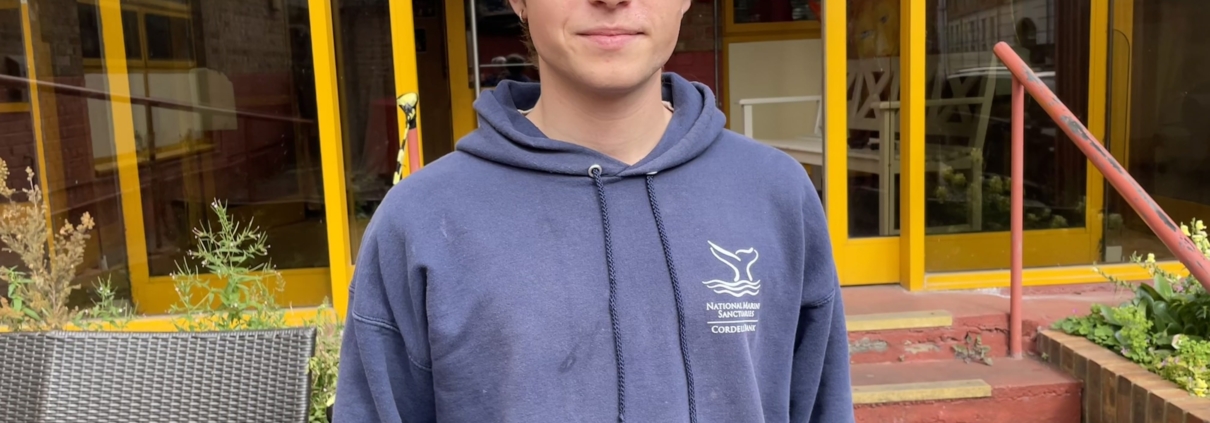
Reflecting on My Internship Experience

By George Clyde

My experience with Paddington Arts has been brief but filled with learning experiences across the board. I went into my abroad program in London with the intention of getting a chance to try my hand at journalism for the first time outside of a school setting. As it turned out, my placement couldn’t have been more perfect. The staff at Paddington Arts welcomed me in and guided me towards stories as well as providing me with the equipment I needed. 

One of the struggles for me with journalism has always been inserting myself into situations that are unfamiliar to myself and I think that’s where I’ve had the most growth. My first project with Paddington Arts was never published, but it was still a good experience. I was tasked to go out and take photographs of people and shops on Harrow Road. I felt uncomfortable at first pulling out my camera in front of people. I didn’t know any of the unspoken social rules in this country, and so I felt like I didn’t know who would be offended and when. The more I took photos though, the more I realized how little people cared. 

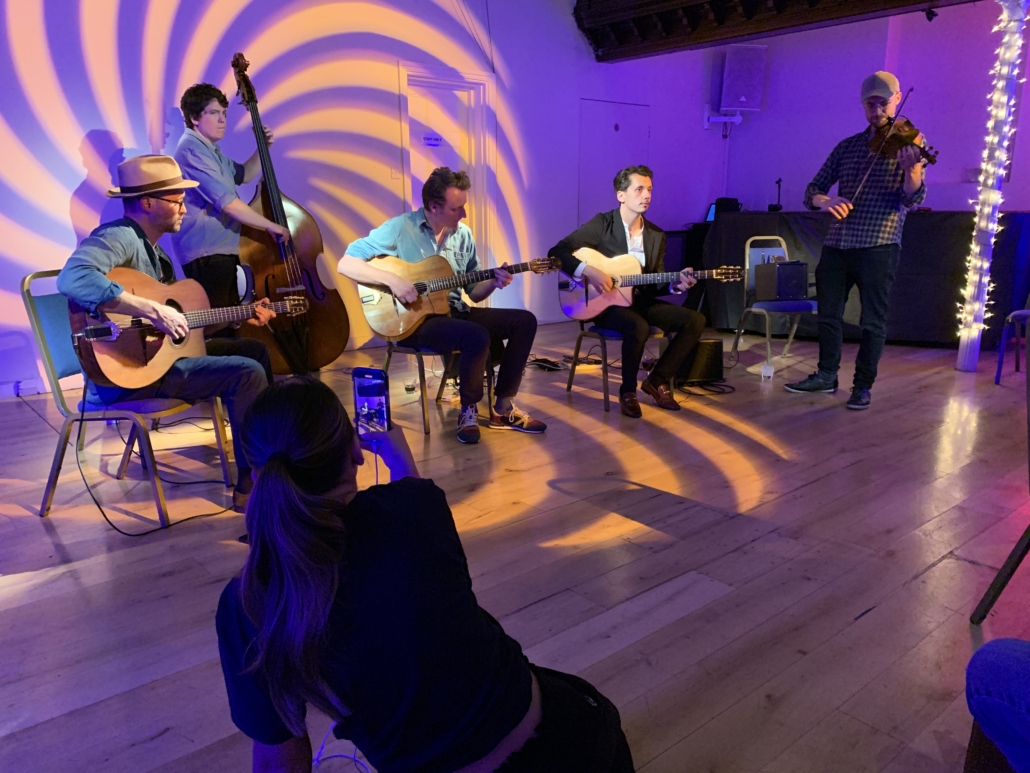
In my second assignment I was once again thrown into unfamiliar territory. Steve dropped me off at Grand Junction, where a folk performance was happening that night. With my camera in hand and a few broad questions ready, I really had no plan. Once again though, I just started asking around and taking pictures of whatever I wanted to take pictures of. The headliner, Frankie Archer, was happy to talk to me, and I even set up another interview with the artist before her.

In Journalism, you’re always working outside of the routine. Any good piece is going to have something unique to say, and you don’t have unique things to say if you don’t step outside of the monotonous flow of what people expect you to do and say. I think that in my later assignments I was much more comfortable with going after what I needed and putting aside my nerves. Those experiences also gave me the confidence to go out and record my own project in Hyde Park centered around friendship.

Toward the latter half of my internship I got the chance to get some valuable film and editing experience when I went to interview the sculptor Carl Gabriel nearby. I was given plenty of opportunities to practice photography as well, including during Paddington Arts’ production of the musical Annie

I do wish I had another month or so here. I feel like I’m just hitting my stride, and I’d love to go out and take the initiative to find more stories in this community. I am happy though with what I’ve accomplished in this month or so, and I’ve appreciated being a part of such a tight knit and committed community here. You never know, maybe I’ll cross paths with Paddington Arts again in the future.

Staying Grounded in a Digital World: An Interview with Freelance Social Media Manager Karina Saniuk

By George Clyde

Since the introduction of social media in the early 2000s, we all have had to learn how to balance two separate worlds, the one on our phone screens and the one we exist in physically. It isn’t possible today to be a member of society and ignore one or the other. Every person, every company, every city exists here on earth but also in an online reality where a flawless self-image must be presented and maintained for the world to see. That’s where Karina Saniuk comes in, a freelance social media manager who works here at Paddington Arts. Her role is to help people achieve online perfection, perfection that can only exist in the glittering realm of social media. 

Karina didn’t have a degree in marketing, communications, or photography. In fact she had little to no experience with any of those things. She was taking a gap year before college and working as a waitress, when she got an opportunity to help a company out with social media. She loved the creativity involved in the work, and slowly but surely that job turned into more and more opportunities. “If I saw a company that needed help with their social media, I would reach out to them. If they ignored me, they ignored me. If they didn’t, they didn’t,” Karina said of her early days in this line of work. 

Initially she looked to other social media pages in hopes of emulating their formula, but what she soon realized as she got behind the scenes is that everybody is still figuring out how social media works. “I thought that successful marketers and social media managers had a way of doing it, and because they do it that way, they’re successful,” she said. “But I’ve soon come to realize that no one knows what they’re doing.”

In just a few years she’s learned how to edit, film, photograph, and work with companies to craft something that represents their values while also broadening their audience. 

Karina taking videos of a concert for social media

This kind of persistent, try-everything attitude is what’s gotten Karina this far. But what you wouldn’t know from her social media posts is that she does deal with a lot of anxiety and feelings of inadequacy. Even for Karina, who’s career is built around social media, it sometimes can become too much.  “I think, to be, like, on a real and be vulnerable, I have been struggling with my mental health in terms of social media recently. And, it’s, especially when you have pressure to do a certain job on a certain project, and then you look online and you see people doing really well, and, it does, it’s, I’m not going to swear. It basically messes you up.” 

“I shouldn’t be in this room right now,” she remembered thinking early on. “I’m not qualified enough.” What Karina’s learned to do though is embrace that anxiety. “When I don’t feel like that, that’s when I’m not growing,” she told me. “So sometimes the anxiety, in a healthy dose, it’s an indication that this is way out of my comfort zone and I just need to keep pushing.” 

In between her work, Karina looks for ways to ground herself back to the real world. Whether that be taking nature walks, which she does routinely, or just simply turning off her phone and reminding herself that “You don’t work for the UN. The world is not going to die if you dont post or something doesn’t go out.” 

As well as keeping her own mental health under control, Karina has also had to learn how to guide other people through their anxieties about putting themselves and their work out in front of so many strangers on social media. She describes herself as often having to play the roles of “coach” and “cheerleader” for people who are nervous about presenting themselves online. 

“I can give you an example, Paddington Arts, the team was really shy. They didn’t want to be in posts at the very, very start. Wasn’t that right Steve?,” Karina asked playfully, turning to Steve Shaw, the team’s director. “And now I’ve got Steve on an interview. It’s a combination of gaining trust from the company as well.”

Karina talking to co-workers at Paddington Arts

At the end of the day all of the anxiety and eventual satisfaction that Karina deals with in the real world is what you don’t see when the final glimmering product goes up on social media, but it’s the part that makes it all worth it. “One of the most rewarding things is working for a more personal company like Paddington Arts and actually seeing your work do well,” said Karina when I asked her what gives her the most satisfaction. “Even like little moments when I talk to the kids about how to be safe online, that’s quite rewarding. And also seeing that my work for a charity has made an impact that always makes a difference.”

Civil War and the Objectivity of War Journalism

Thumbnail Credit: Landmark Cinemas

By Carissa Leong, intern

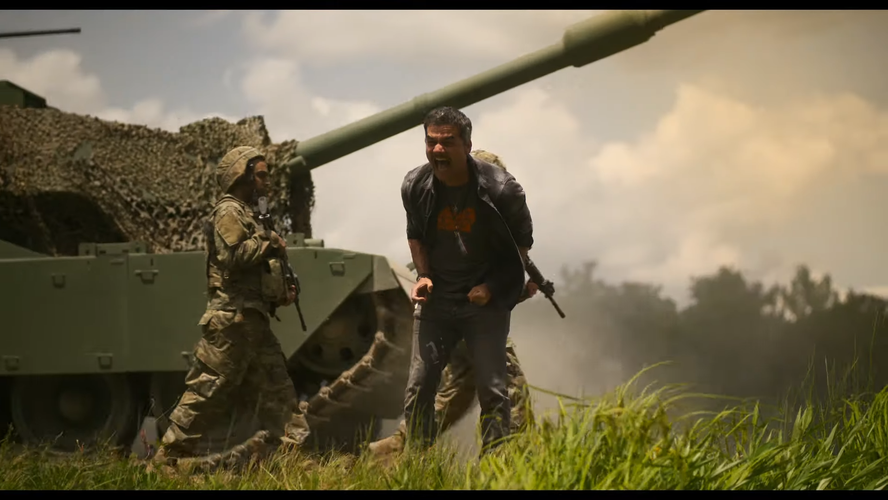
Following its release, Alex Garland’s dystopian version of America in his new film Civil War became indie distributor A24’s highest-grossing opening to-date. Plotted as a road trip following a crew of journalists including highly experienced Lee (Kirsten Dunst) and young, aspiring war journalist Jessie (Cailee Spaeny), they pursue the story of the end to the civil war in the fantastical, apolitical landscape of America where numerous states have been trying to secede from the fascist rule of the government. 

Credit: IGN

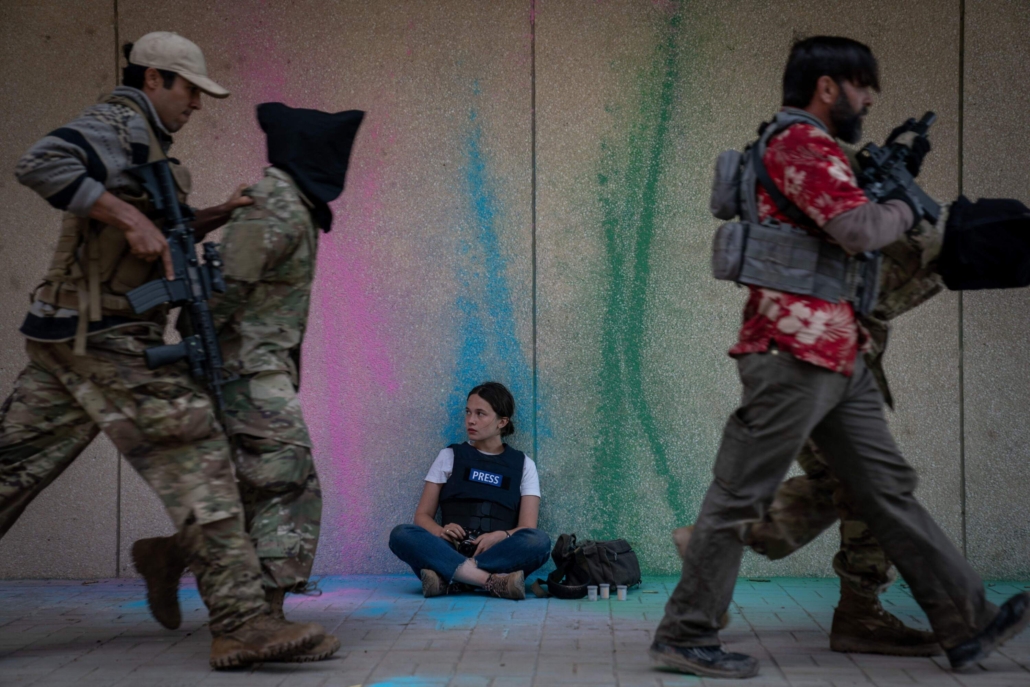
In a near future version of America, Lee and her colleague Joel (Wagner Moura) intend to get an interview with the president (Nick Offerman) before secessionists take control of the White House. Tagging along for experience, Jessie is taught by Lee of the important side effect of numbing objectivity in their line of work, especially as they face atrocities as they travel toward Washington D.C. As the war draws to an end, Jessie’s objectivity numbs her to the tragedies around her as she develops her skills in war photography, just as she was taught; in contrast, Lee becomes more affected emotionally and mentally due to attachment and guilt revolving around her crew, and it’s something that doesn’t end well for her.

The apolitical nature of the film’s setting is something that has drawn criticism from numerous sources, but it’s something that I personally don’t have an issue with. Either way, if the world-building villainized either the conservative or the democratic party, then it would’ve drawn criticism regardless, especially toward an English filmmaker. The fictional factioning of the United States, generally rebelling against fascism, allows for realistic commentary on the actual point of the film–the atrocities of war and war journalism. 

Credit: Roger Ebert

The most overt commentary revolves around the objectivity of war journalism, depicted especially through Lee and Jessie’s shifting dynamic. As a photographer, I related to the sentiment portrayed–I used to live longingly for the shots that I missed, everything seen distantly through the frame of my viewfinder, and I had to get myself back to feeling emotionally connected, especially to the shots that I actually did get. I never photographed wars, thankfully, but Lee’s hardened outlook didn’t seem so far off from what I could imagine for myself if that was my job. The act of constantly watching people die and capturing them rather than interfering would be enough to drive someone crazy if they didn’t desensitize themselves to it. That’s not to say all journalists don’t care, specifically calling into reference the passionate teenagers in Gaza documenting the destruction of their homes on social media, but this is only another realistic take by someone less connected to the tragedies. Their only purpose is to get the stories out so others would become fueled by outrage and change would be instigated.

Jessie’s shift from someone caring, naive, and emotional into someone impulsive with risk buried at the very back of her mind quickly shows the development of what happened to Lee, long ago in her career. It’s hard to like her for how the film ended, but it omits the longer-term aftermath of her actions or inaction–whether she remains numb forever or opens herself back up to sympathy and guilt. Regardless, her trajectory is among the most interesting in Civil War, and the film really speaks to what the “invisible” people go through, the ones who we know nothing about and scarcely consider, yet who create all of the work that make up our perception of current events.

Credit: WBUR

Through previous films including Ex Machina (2015), Annihilation (2018), and Men (2022), Alex Garland has had a consistent track record of depicting destruction to be eerily bleak and beautiful, and Civil War is no exception. Utilizing wide-angle shots glamoured with lens flares and minimalistic, smooth motion, the fly-overs of burning towns or the gory deaths of characters are all portrayed through a similarly objective view, prioritizing the cinematic above all else. The score is equally bleak and beautiful, only aiding the visual tension.

Ultimately, Civil War is a strong film both visually and thematically, revolving around characters whose motives and emotions feel real. Spinning the war genre to focus on the mentality of journalists rather than soldiers, the film’s commentary feels like a highly relevant cautionary tale of a possible future amidst the news of war in the areas of Gaza and Ukraine. From this and accompanied by the current state of violence, it unfortunately isn’t too far off to imagine America falling apart into this dystopia born from rebellion of the people against the president, especially with the controversial coming election.

Credit: Geek Tyrant

Most Anticipated Films of 2024: Fall

By Peyton Harvey

Despite last year’s SAG-AFTRA strike, a promising slate of films will be released in 2024. This year of film has gotten off to a good start, with highly anticipated releases like Dune: Part Two earning impressive box office numbers and critical praise. From big blockbusters to smaller, independently produced projects, the 2024 movie lineup offers something for every type of viewer. Thus, here are some of the most anticipated films of 2024.

Joker: Folie à Deux

4 October 2024

Credit: Entertainment Weekly

The Joker immediately comes to mind when we think about iconic movie villains. He’s sadistic and unpredictable and makes for a great film antagonist. Todd Phillips’ 2019 film Joker, starring Joaquin Phoenix, offered an unprecedented look at the famous villain, diving into the character’s psychology and origin. The film received several significant nominations and awards and was a commercial success. Phoenix gave a spectacularly chilling performance that won him an Academy Award for Best Actor, and Joker was the first R-rated film to gross over $1 billion USD.

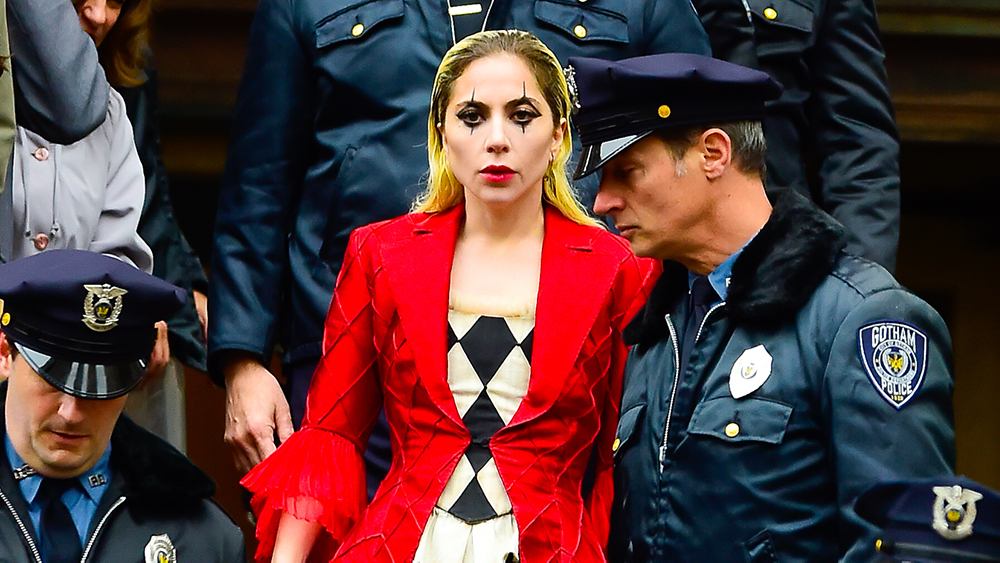
The sequel, Joker: Folie á Deux, is set for an October 2024 release, with Phillips returning as the director and a writer alongside Scott Silver. Phoenix will reprise his role as the Joker, and Zazie Beetz will return. New cast members include Lady Gaga as Dr. Harlene Quinzel/Harley Quinn, Brendan Gleeson, Catherine Keener, and Steve Coogan. Although the film’s plot is largely under wraps, audiences can anticipate a musical, psychological thriller that will continue Phillips’ unique look into the character and DC world.

Paddington in Peru

8 November 2024

Credit: IMDb

The Paddington franchise is one of the most outstanding contemporary children’s movie series, with a reputation for capturing the attention of all types of viewers. Paddington and Paddington 2 were critical and box office successes with an incredible cast of characters that center on the iconic Paddington character. Doug Wilson will direct the franchise’s third installment, and much of the beloved cast will reprise their roles. Ben Whishaw and Imelda Staunton will again voice Paddington and Aunt Lucy. In addition, Hugh Bonneville, Emily Mortimer, Madeleine Harris, Samuel Joslin, Jim Broadbent, and Julie Walters will also return. New cast members include Olivia Coleman, Antonio Banderas, and Emily Mortimer.

Paddington in Peru will depict “Paddington returning to Peru to visit his beloved Aunt Lucy, who now resides at the Home for Retired Bears. Paddington and the Brown Family embark on an unexpected journey through the Amazon rainforest and up to the mountain peaks of Peru.” (Variety) Based on the first two films, it’s safe to say Paddington in Peru is one of the most anticipated films of 2024.

Gladiator 2

22 November 2024

Credit: Screen Rant

In 2024, Ridley Scott will return with the highly-anticipated sequel to Gladiator (2000), Gladiator 2. Written by David Scarpa, little is known about the Gladiator 2 script beyond the film centering on “Lucius, the son of Maxmius’s love, Lucilla, after Maximus’ death” (IMDb). The historical epic is undoubtedly one of the most anticipated films of 2024. Paul Mescal will star as Lucius Verus, alongside Denzel Washington, Pedro Pascal, and Joseph Quinn as co-emperor Caracalla.

Wicked

27 November 2024

Credit: Variety

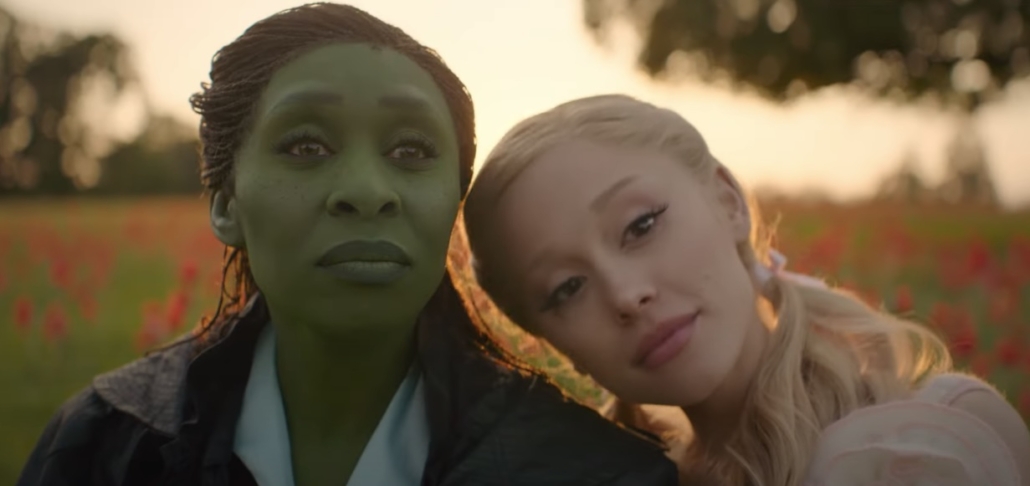
Wicked is arguably one of the most notorious musicals of our time. Based on The Wonderful Wizard of Oz (1900) with music and lyrics by Stephen Schwartz, the story follows “two young witches: Elphaba, whose skin is green, and Glinda, who is blonde and beautiful. They dislike each other at first but soon form an unlikely bond. The musical follows them from their girlhood friendship and explains how Elphaba became the Wicked Witch and Glinda became the Good Witch.” (New York Theater Guide) After numerous stage adaptations on Broadway, the West End, and more, a long-awaited film adaptation is finally here, with the first installment of the two-part film adaptation releasing on 27 November 2024.

Jon M. Chu, known for Crazy Rich Asians (2018) and In the Heights (2021), will direct both installments. Audiences can look forward to an all-star cast with Cynthia Erivo as Elphaba, Ariana Grande as Glinda, Michelle Yeoh as Madame Morrible, Jeff Goldblum as the Wonderful Wizard of Oz, and Jonathan Bailey and Fiyero. Wicked will surely be a visual spectacle with impressive vocal performances and themes of friendship, trust, and prejudice at the story’s heart.

Nosferatu

25 December 2024

Credit: Variety

If you enjoy the dark gothic horror films that serve as the foundation of the modern horror genre, Nosferatu should be on your watchlist. Directed by Robert Eggers, a director known for his eerie historical horror films, Nosferatu is the second remake of the original 1922 Nosferatu: A Symphony of Horror. The 2024 remake stars Bill Skarsgård, Nicholas Hoult, Lily-Rose Depp, Aaron Taylor-Johnson, Emma Corrin, and Willem Dafoe. Focus Features states, “Robert Eggers’ Nosferatu is a gothic tale of obsession between a haunted young woman and the terrifying vampire infatuated with her, causing untold horror in its wake.”

Blitz

TBA

Credit: Variety

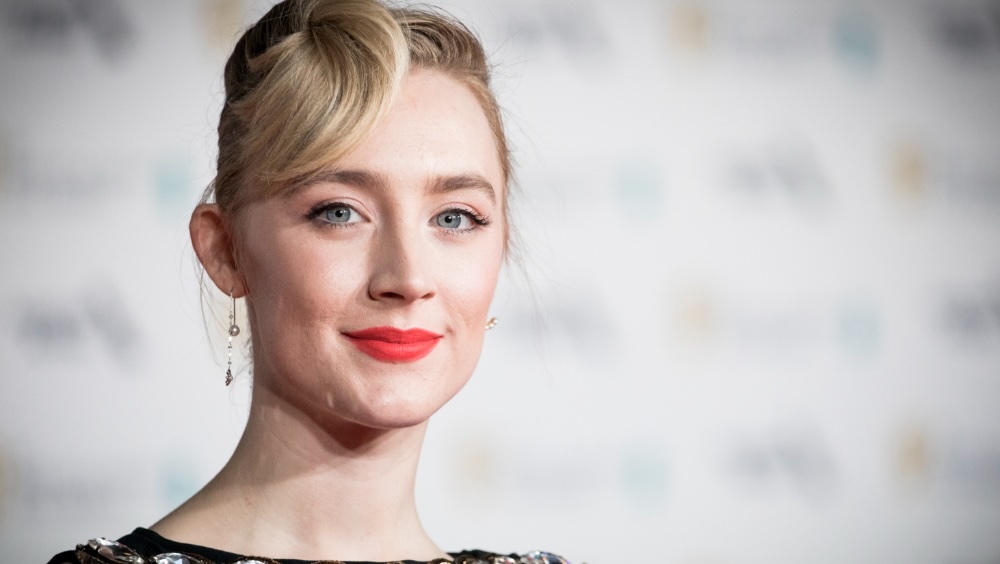
Steve McQueen will return this year, writing and directing his first feature film in six years. Blitz follows the stories of a group of Londoners during the events of the British capital bombing in World War II (IMDb). McQueen, known for the drama film 12 Years a Slave (2013), has assembled an impressive ensemble cast, including Saoirse Ronan, Harris Dickinson, Stephen Graham, Erin Kellyman, Paul Weller, Leigh Gill, Kathy Burke, Hayley Squires, and Benjamin Clementine. If McQueen’s past projects are any indication of what Blitz has in store, audiences can undoubtedly anticipate a knock-out film.

Megalopolis

TBA

Credit: IMDb

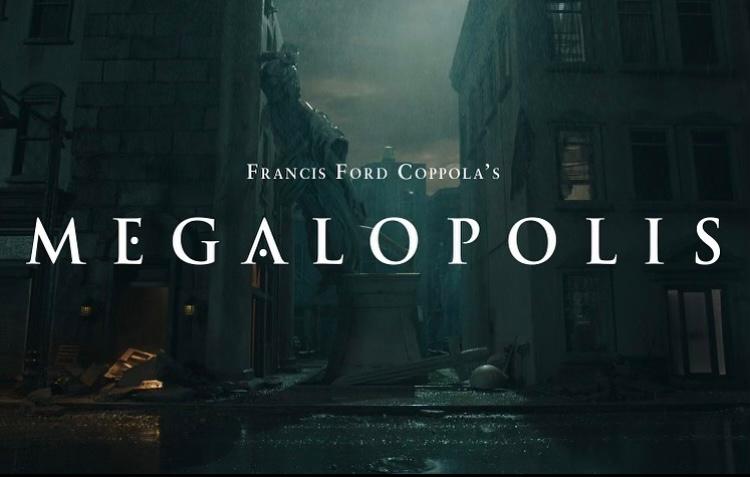
A star-studded ensemble cast working with a prolific director is always highly anticipated, and Megalopolis is no different. In late 2024, Francis Ford Coppola’s passion project film will star an ambitious cast made up of Nathalie Emmanuel, Adam Driver, Forest Whitaker, Jon Voight, Laurence Fishburne, Aubrey Plaza, Jason Schwartzman, and Shia LaBeouf. The film is “a sprawling story about an ambitious young architect aiming to recreate New York City in the wake of a tragedy, loosely inspired by a Roman coup d’état called the Catilinarian conspiracy” (GQ).

Coppola conceived the idea for the film in the 1970s, and the story has undergone multiple iterations. Despite nearly acquiring funding for the film several times, studios ultimately scratched Megalopolis in the early 2000s. Twenty years later, Coppola is self-funding the film, providing himself with significant creative freedoms. Although we know little about what we can expect from Megalopolis, it is safe to assume that such a bold and uninhibited creative project is in good hands.

Dune: Part Two Analysis and Review

By Carissa Leong, intern

From a star-studded cast flaunting futuristic fashion at premieres across the globe to reviews deeming it the best sci-fi spectacle seen for decades, millions could not help being drawn to the hype generated by the release of Denis Villeneuve’s Dune: Part Two, even trailing at the back-end of a five-month delay.

Dune: Part One, the film’s predecessor, released during my freshman year of college and I orchestrated a large group to view it in theaters at the time. Before that, I read the first three books and in high school, I presented on Villeneuve’s strong filmography from Incendies onwards. On top of all that, Frank Herbert’s Dune was rooted deep in my interests, a hero’s journey story that aged incredibly well–turning out to not actually be about a hero at all–and made for a piercingly relevant story about environmentalism, colonialism, and religious fanaticism. It was guided in adaptation by the precise, visionary hand of Villeneuve and Part Two culminated into a different take on the novel, ultimately worthy of the source material it represented.

In its prequel, stewardship of the planet Arrakis was given by the emperor to House Atreides, pulled from House Harkonnen’s control. Inhabited by the indigenous Fremen, the planet was also the source of the valuable substance spice. The transfer of ownership was a setup, and Paul’s father Leto sought to ally with the Fremen but died in a collaborative siege from House Harkonnen and the emperor’s Sardaukar. Meanwhile, Paul, wracked with visions of the future mounting in frequency, escaped into the desert and met up with the Fremen while accompanied by his mother Jessica, a Bene Gesserit sister harboring tools of manipulation. Historically, the sisterhood purposefully crossed bloodlines to breed a Kwisatz Haderach, a powerful man who could see into the future as well as the past, and it became believed that the Kwisatz Haderach was Paul–a generation too early and out of their control.

Credit: IMDb

Dune: Part Two kicks off with Paul learning the ways of the Fremen as his relationship blossoms with Chani, the girl in his visions. The Fremen take Jessica to be their Reverend Mother and her empathy drains away as her mind accesses generations of knowledge by ingesting the Water of Life. The process impacts her pregnancy and her coming daughter Alia is believed to be an abomination. Following the defeat of the Atreides, the Harkonnens reclaim control of spice production but are often disrupted by Fremen guerrilla tactics under Paul’s direction. Encouraged to go south and cement himself as a messiah among fanatic tribes, Paul resists because he foresees a holy war. Simultaneously, a threat from the Harkonnens grows in the form of the psychotic Feyd-Rautha. In order to survive and win, Paul travels south and fully becomes the Kwisatz Haderach, finally bringing about the holy war and bending the emperor to his will, to Chani’s immense disapproval.

Credit: Cosmopolitan

Before viewing the film, a big aspect drawing personal skepticism was the two-part split. In retrospect, it turns out I had nothing to worry about. The time jump integrates well and fleshes out characters in a way that the novel lacked. Paul and Chani’s relationship development is more organic, and it’s emotionally investing to watch Chani’s trust in Paul fragment as he descends the path of his dark destiny. Similarly, it is intriguing to be closer to Paul in both good and bad–his victories while learning the ways of the Fremen and his struggles in the face of his bloodstained destiny. The context also benefits Jessica’s portrayal, and her transition from a mother caring for her son into the passionless, purposeful Reverend Mother is completely chilling.

Consistent with adaptation, Dune: Part Two is no stranger to differences from the source material. One of note is the presence of Paul’s sister Alia. Villeneuve saw the cheesiness in David Lynch’s 1984 adaptation, a toddler channelling generations of knowledge, and instead keeps her in the womb in telepathic communication with Jessica. The change contributes to Jessica’s eerie powers and the air of mystery benefits Alia, making viewers wonder what kind of abomination she would be when she’s finally born without having to directly portray it at all.

Credit: Radio Times

Another difference is the integration of Paul’s nemesis Feyd-Rautha halfway into this installment. There’s a lot of risk with a late introduction, especially regarding believability, but it is remarkably in-character for the cunning Feyd to exist in the shadows of his intense and fumbling brother, Rabban. It’s a little jarring to get his entire origin story in the middle of the film, a long sequence completely separate from the aesthetics of Arrakis, and I wonder if it had been viable to integrate him earlier while still maintaining his relevance.   

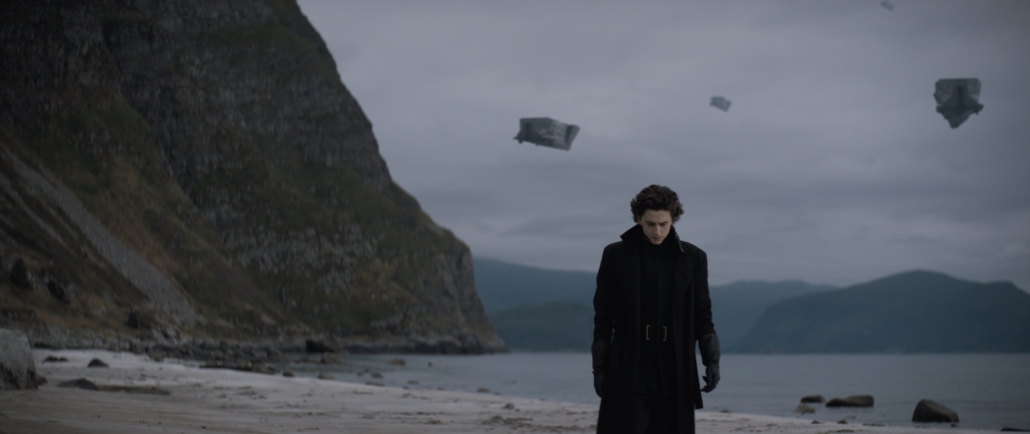
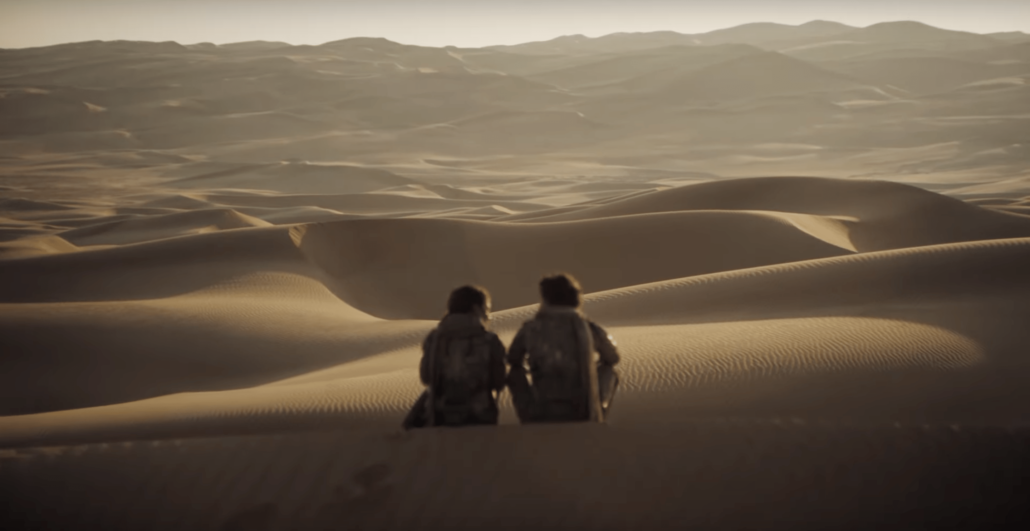
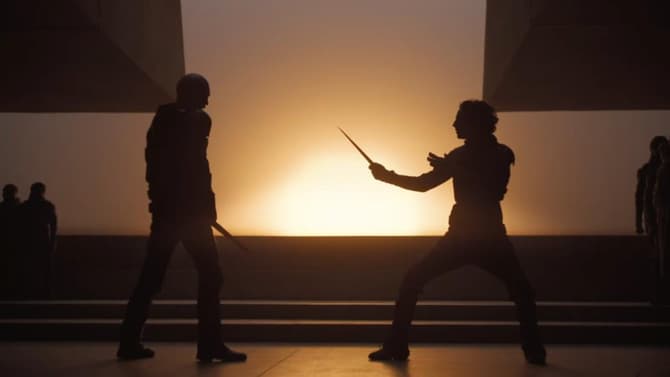
On the technical side, Dune: Part Two does a phenomenal job capturing both intimacy as well as scale, courtesy of constant collaborators Greig Fraser and Hans Zimmer. Over his past filmography, Villeneuve established and perfected an aesthetic of grand minimalism in science-fiction, particularly with the worlds of Blade Runner 2049 and Arrival, and the same purpose is evident in each shot of this film, from the massive arena under the black sun of Giedi Prime to the silhouettes of Paul and Chani on Arrakis, their gazes turned toward an ocean of sand. Zimmer’s sweeping score proves to be similarly versatile, backdropping raging wars to the softness of human connection, with everything catered to in between.

Credit: IMDb

Significant themes are explored throughout including a heavy critique of religious fanaticism. The prophecies that the Fremen believe in are faked, planted by the Bene Gesserit to ensure the safety of the Kwisatz Haderach and themselves everywhere, and it’s one of their many tools for manipulation. At first condoned, it’s taken advantage of by Paul and Jessica when they trade priorities–intimate relationships for colossal plots–as their minds expand into omniscience, drifting away from humanity. Because viewers are given more time to know the Fremen culture, we know exactly what’s at risk when they throw everything aside to worship Paul–specifically referencing the shot of burning corpses, a harsh contrast to the careful conservation of the bodies’ water at the beginning of the film.

On top of that, because of Paul’s inherited atomics as a Duke of one of the Great Houses in the Imperium, the means to officially overthrow oppressors would never have been in the hands of the Fremen originally. It would always require the loyalty of an outsider intermediary. It begs the question–could the Fremen have been given the resources that they lacked without the core of their people changing so completely or is the power dynamic between the privileged and underprivileged something that can never be fixed?

Credit: Escapist Magazine

As well, the link between colonialism and environmentalism is clear in Paul’s vision of his grown sister Alia walking in the future of Arrakis–dunes leading to an ocean. Contrasting the Fremen’s respectful co-existence with the environment, using the sandworms for transportation and echoing the sounds of nature in their walk, the colonists seek to change it to suit themselves and give it the ocean reminiscent of their homeworld. This is a vignette of history that has been repeated time and time again, with those harnessing the environment constantly prevailing over the indigenous communities that existed in-tune with it for centuries.

Ultimately, this is a film about warring familial pride and the lengths that one would go to preserve theirs, regardless of those caught between. In the film, Paul puts it well: to beat the Harkonnens, the Atreides must become them. The Atreides truly are no better, exploiting the Fremen for their own gains and genetically, they are exactly the same through Jessica’s bloodline. Even though he struggles with it at first, Paul’s decision is wholly selfish; he sees what he would become and opts for the dark path on account of the survival of his House and revenge for his father, rather than facing a moral death–even while knowing that his survival would barely give the Fremen more agency than the Harkonnens would.

Credit: Comic Book Movie

The ending with Chani alone, abandoning Paul and making her way back into the desert, poses as a cliffhanger alluding to the final act of the trilogy, the adaptation of Dune: Messiah. Chani is refreshingly given more agency to disagree with Paul’s decisions–which culminates when Paul chooses Princess Irulan’s hand in marriage for a political alliance, sentencing Chani to a future as a concubine, a harsh backhand since Paul originally stated his desire to be equal to her. It is interesting to consider how their relationship will be repaired in the time jump to Herbert’s second novel, and evidently, its portrayal will be in more than capable hands.

With a MAX show about the Bene Gesserit also in development, the franchise is already taking root as some of the most impactful on-screen science fiction in recent history. It epitomizes what the genre has always done best–create a speculative universe through which strikingly real flaws of society and humanity can be deliberated. More engaging than the prior installment, Dune: Part Two only furthers this mentality with every planted seed fully brought to fruition and resulting in the beginning of one of the most consistent cinematic universes yet.