

Civil War and the Objectivity of War Journalism
Thumbnail Credit: Landmark Cinemas
By Carissa Leong, intern
Following its release, Alex Garland’s dystopian version of America in his new film Civil War became indie distributor A24’s highest-grossing opening to-date. Plotted as a road trip following a crew of journalists including highly experienced Lee (Kirsten Dunst) and young, aspiring war journalist Jessie (Cailee Spaeny), they pursue the story of the end to the civil war in the fantastical, apolitical landscape of America where numerous states have been trying to secede from the fascist rule of the government.
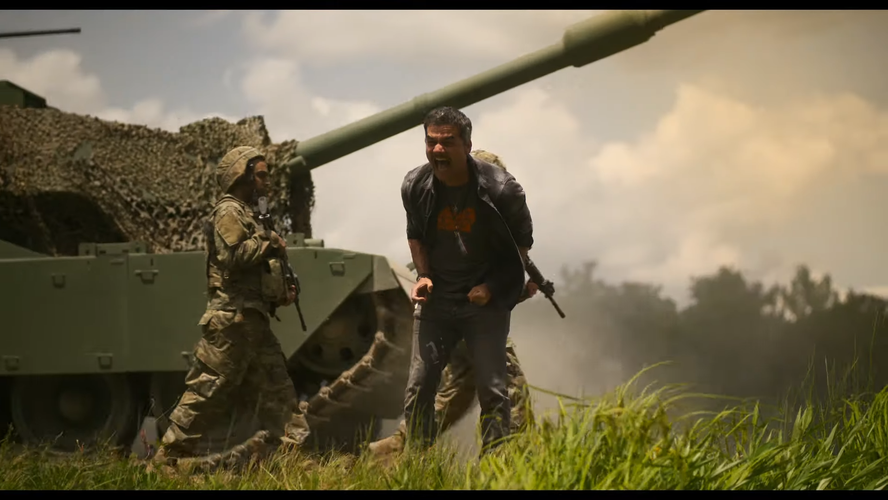
In a near future version of America, Lee and her colleague Joel (Wagner Moura) intend to get an interview with the president (Nick Offerman) before secessionists take control of the White House. Tagging along for experience, Jessie is taught by Lee of the important side effect of numbing objectivity in their line of work, especially as they face atrocities as they travel toward Washington D.C. As the war draws to an end, Jessie’s objectivity numbs her to the tragedies around her as she develops her skills in war photography, just as she was taught; in contrast, Lee becomes more affected emotionally and mentally due to attachment and guilt revolving around her crew, and it’s something that doesn’t end well for her.
The apolitical nature of the film’s setting is something that has drawn criticism from numerous sources, but it’s something that I personally don’t have an issue with. Either way, if the world-building villainized either the conservative or the democratic party, then it would’ve drawn criticism regardless, especially toward an English filmmaker. The fictional factioning of the United States, generally rebelling against fascism, allows for realistic commentary on the actual point of the film–the atrocities of war and war journalism.

The most overt commentary revolves around the objectivity of war journalism, depicted especially through Lee and Jessie’s shifting dynamic. As a photographer, I related to the sentiment portrayed–I used to live longingly for the shots that I missed, everything seen distantly through the frame of my viewfinder, and I had to get myself back to feeling emotionally connected, especially to the shots that I actually did get. I never photographed wars, thankfully, but Lee’s hardened outlook didn’t seem so far off from what I could imagine for myself if that was my job. The act of constantly watching people die and capturing them rather than interfering would be enough to drive someone crazy if they didn’t desensitize themselves to it. That’s not to say all journalists don’t care, specifically calling into reference the passionate teenagers in Gaza documenting the destruction of their homes on social media, but this is only another realistic take by someone less connected to the tragedies. Their only purpose is to get the stories out so others would become fueled by outrage and change would be instigated.
Jessie’s shift from someone caring, naive, and emotional into someone impulsive with risk buried at the very back of her mind quickly shows the development of what happened to Lee, long ago in her career. It’s hard to like her for how the film ended, but it omits the longer-term aftermath of her actions or inaction–whether she remains numb forever or opens herself back up to sympathy and guilt. Regardless, her trajectory is among the most interesting in Civil War, and the film really speaks to what the “invisible” people go through, the ones who we know nothing about and scarcely consider, yet who create all of the work that make up our perception of current events.
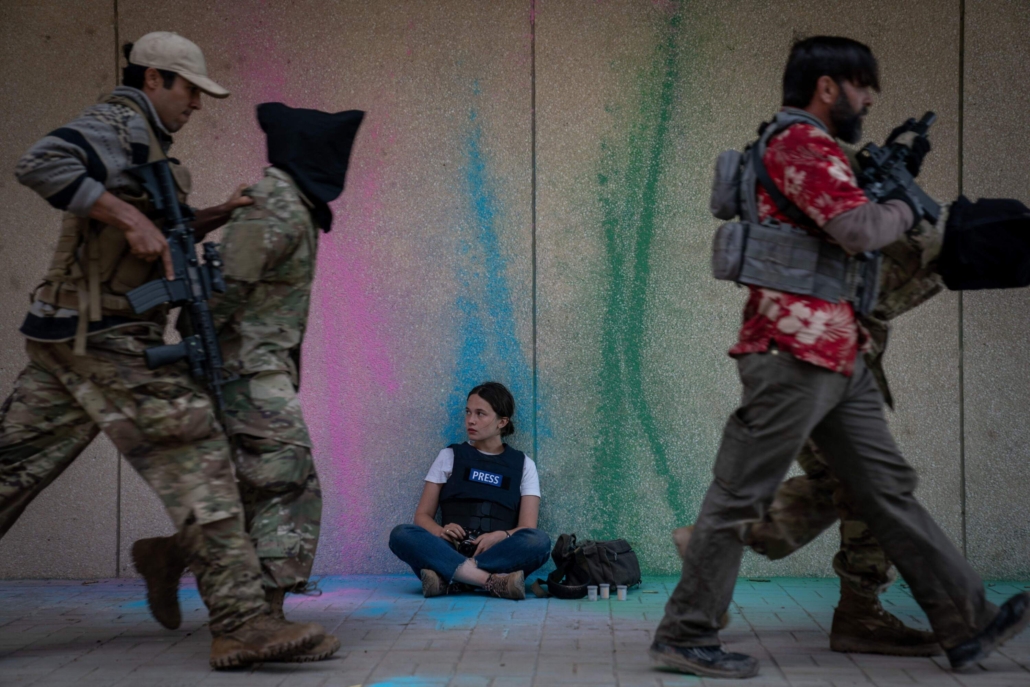
Through previous films including Ex Machina (2015), Annihilation (2018), and Men (2022), Alex Garland has had a consistent track record of depicting destruction to be eerily bleak and beautiful, and Civil War is no exception. Utilizing wide-angle shots glamoured with lens flares and minimalistic, smooth motion, the fly-overs of burning towns or the gory deaths of characters are all portrayed through a similarly objective view, prioritizing the cinematic above all else. The score is equally bleak and beautiful, only aiding the visual tension.
Ultimately, Civil War is a strong film both visually and thematically, revolving around characters whose motives and emotions feel real. Spinning the war genre to focus on the mentality of journalists rather than soldiers, the film’s commentary feels like a highly relevant cautionary tale of a possible future amidst the news of war in the areas of Gaza and Ukraine. From this and accompanied by the current state of violence, it unfortunately isn’t too far off to imagine America falling apart into this dystopia born from rebellion of the people against the president, especially with the controversial coming election.


