

The Pull of True Crime & Online Sleuthing
By Macy Ellis
We all have felt the pull of true crime stories—horrific, and yet we find it hard to look away. Stories of crime have long been a fascination of ours, like with murder mysteries and crime fiction. Today, there are many ways to access true crime stories. Many of us continue to read, but even more so people are listening to podcasts, watching YouTube videos, browsing the web, and turning off safe search on Google.
Our collective intrigue with the darker side of real life has led to the rise of what are commonly referred to as internet sleuths. There’s often both praise and pointed accusations aimed at these amateur detectives. I have personally heard of many cases where web sleuths involved themselves in a crime investigation. In fact, my home institution in the US resides in two different areas that have a history of missing persons cases.
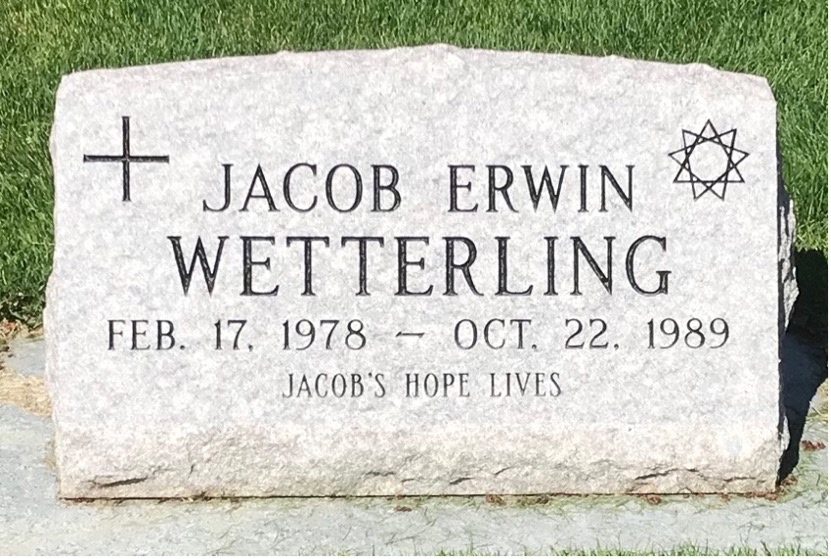
The College of Saint Benedict and Saint John’s University (CSB+SJU) are located in St. Joseph and Collegeville, Minnesota, respectively. Jacob Wetterling, from St. Joseph, was abducted as a child and killed. Most everyone in the area is aware of his case, as he was missing for 27 years before his remains were found. Joy Baker, a woman drawn to Jacob’s case, was a blogger and ultimately helped authorities find Jacob after meeting with men who had been abducted as young boys. One boy had been abducted ten miles away from Jacob’s home in 1989, and all of the events involved sexual attacks by a masked suspect thirty minutes away from where Jacob lived. After tracking down the victims and sharing details in her blog, their stories grabbed the attention of the public, and, in turn, the police. DNA testing linked Danny Heinrich to the case, and eventually he did confess to abducting, sexually assaulting, and killing Jacob as part of a plea that he would not be charged with murder if he revealed the location of Jacob’s remains. Joy is an example of an internet sleuth who caused a much-needed breakthrough. In 2023 she helped Patty Wetterling, Jacob’s mother, release a book that they co-authored. Her blog, Joy the Curious, is still active. Jacob is now buried in the Saint John’s Abbey Cemetery, where the community keeps his memory alive.

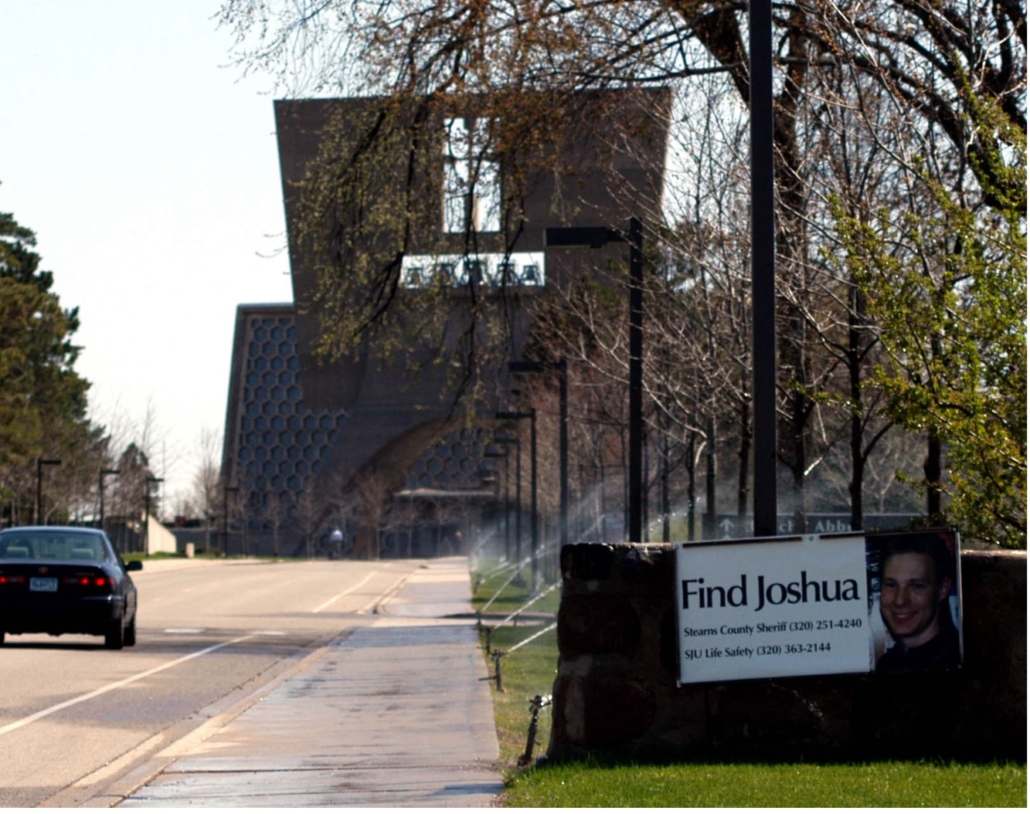
Another case that is close to home for me is that of Joshua Guimond. Josh was a college student at CSB+SJU, where I currently attend. It is said that Josh left an on-campus party at St. John’s and was never seen again. The police investigation into his 21-year disappearance still remains active. Around the 20thanniversary of his disappearance, the popular Netflix series Unsolved Mysteries aired an episode about the investigation, exploring theories as to why Josh disappeared. There is also a podcast, Simply Vanished, that looks into the depths of Josh’s case. The mystery has managed to stay open and relevant with the help of the community and, of course, online sleuthing.
I’ve further been made aware of online sleuthing through my interest in many other cases. In my free time, I sometimes watch true crime documentaries. I particularly like Netflix’s productions, and a favorite one of mine is Don’t Fuck with Cats. This docuseries investigates how truly committed internet sleuths can be.
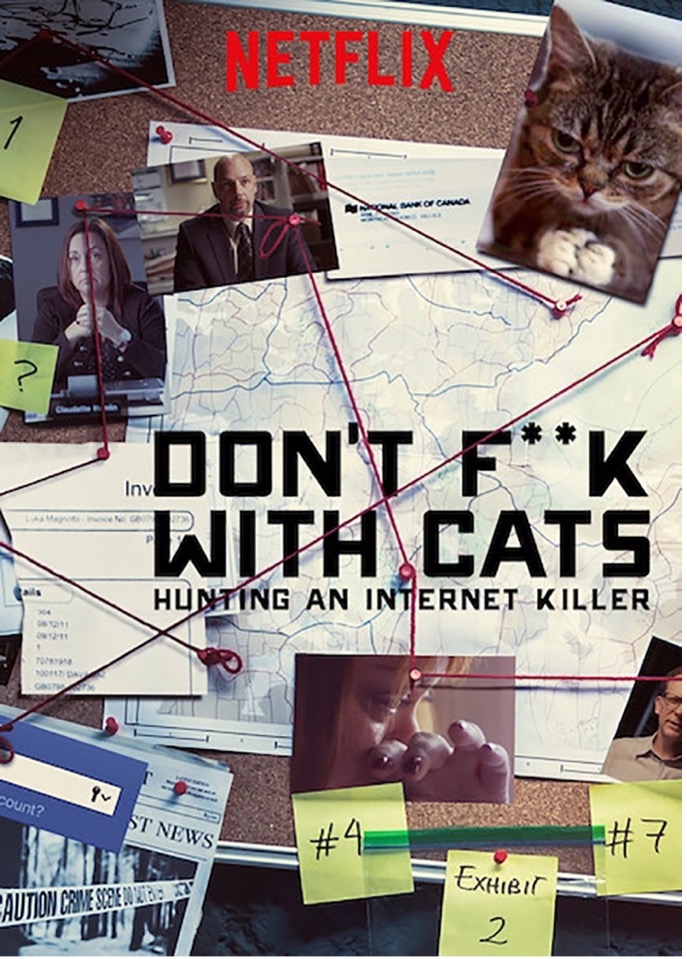
The docuseries follows how a case was solved thanks to determined armchair detectives, though a group not without their mistakes. The same can be said about Netflix’s Crime Scene: The Vanishing at the Cecil Hotel, which explores the good and bad that can come from internet sleuths. Even the Idaho student murders, which I’ve been transfixed by since they happened, has had its fair share of cyber sleuthing.


It must be acknowledged that there are great benefits that come from these online communities taking an investigation into their own hands. They have helped identify unknown individuals in crime footage and helped gather and analyze information related to a crime, leading to new leads and potential evidence for law enforcement. Not only that, internet sleuths help to raise awareness for cold cases and missing persons, which can lead to new tips and leads that law enforcement did not know about. This is certainly true for the cases I have mentioned. In this sense, some sleuth groups rightfully get frustrated that they aren’t taken more seriously. However, sleuthing’s collective influence is naturally their downfall when innocent people have had their lives ruined after being wrongly targeted. Are online sleuths correcting justice or merely partaking in the morbid fascination of it all? I think both things can be true. What is most important is that internet sleuthing is done responsibly and ethically because the reality is that amateur online detectives see things that the professionals don’t, often leading to breakthroughs.

