Posts

Reflecting on My Internship Experience

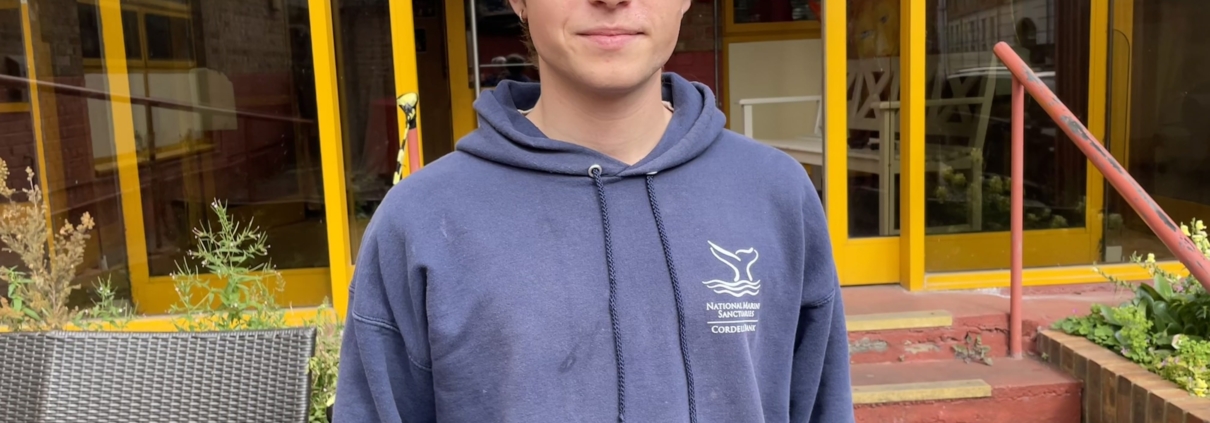
By George Clyde

My experience with Paddington Arts has been brief but filled with learning experiences across the board. I went into my abroad program in London with the intention of getting a chance to try my hand at journalism for the first time outside of a school setting. As it turned out, my placement couldn’t have been more perfect. The staff at Paddington Arts welcomed me in and guided me towards stories as well as providing me with the equipment I needed. 

One of the struggles for me with journalism has always been inserting myself into situations that are unfamiliar to myself and I think that’s where I’ve had the most growth. My first project with Paddington Arts was never published, but it was still a good experience. I was tasked to go out and take photographs of people and shops on Harrow Road. I felt uncomfortable at first pulling out my camera in front of people. I didn’t know any of the unspoken social rules in this country, and so I felt like I didn’t know who would be offended and when. The more I took photos though, the more I realized how little people cared. 

In my second assignment I was once again thrown into unfamiliar territory. Steve dropped me off at Grand Junction, where a folk performance was happening that night. With my camera in hand and a few broad questions ready, I really had no plan. Once again though, I just started asking around and taking pictures of whatever I wanted to take pictures of. The headliner, Frankie Archer, was happy to talk to me, and I even set up another interview with the artist before her.

In Journalism, you’re always working outside of the routine. Any good piece is going to have something unique to say, and you don’t have unique things to say if you don’t step outside of the monotonous flow of what people expect you to do and say. I think that in my later assignments I was much more comfortable with going after what I needed and putting aside my nerves. Those experiences also gave me the confidence to go out and record my own project in Hyde Park centered around friendship.

Toward the latter half of my internship I got the chance to get some valuable film and editing experience when I went to interview the sculptor Carl Gabriel nearby. I was given plenty of opportunities to practice photography as well, including during Paddington Arts’ production of the musical Annie

I do wish I had another month or so here. I feel like I’m just hitting my stride, and I’d love to go out and take the initiative to find more stories in this community. I am happy though with what I’ve accomplished in this month or so, and I’ve appreciated being a part of such a tight knit and committed community here. You never know, maybe I’ll cross paths with Paddington Arts again in the future.
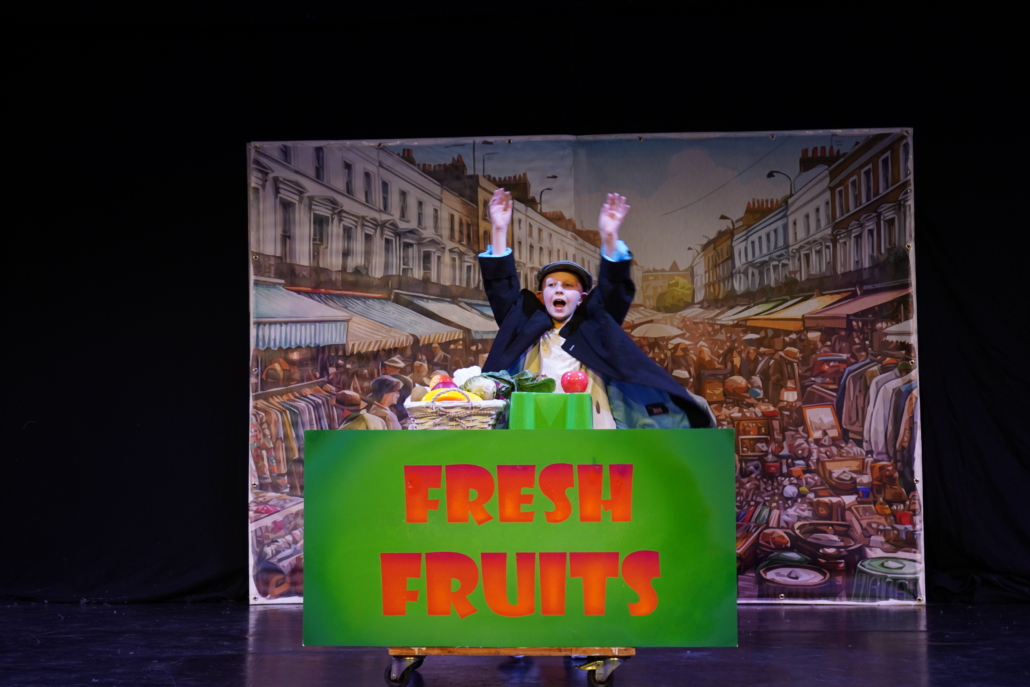
Tomorrow’s Hope: Paddington Arts Makes Annie Their Own

By George Clyde

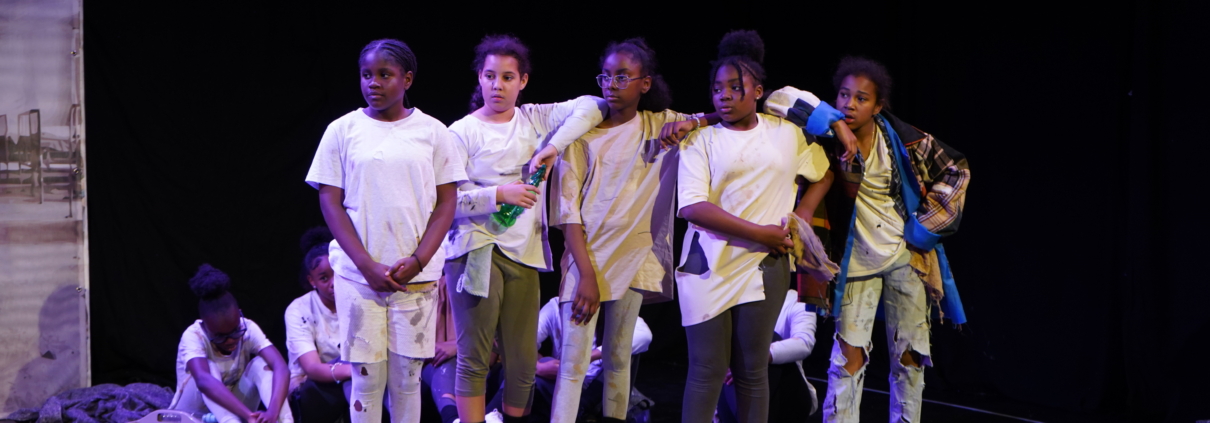
The opening night of Paddington Arts’ production of the musical Annie was a celebration of what Paddington Arts has meant for so many in this community. Parents, many of whom had been through the program as children, greeted each other with warm smiles and gathered under the comfort of familiarity to watch their kids perform.  “It’s a sense of belonging,” said Melissa, who joined the program when she was 6 and now helps teach, “When you come here you feel a part of something, and I think that’s really important for young people…It just feels like home.” 

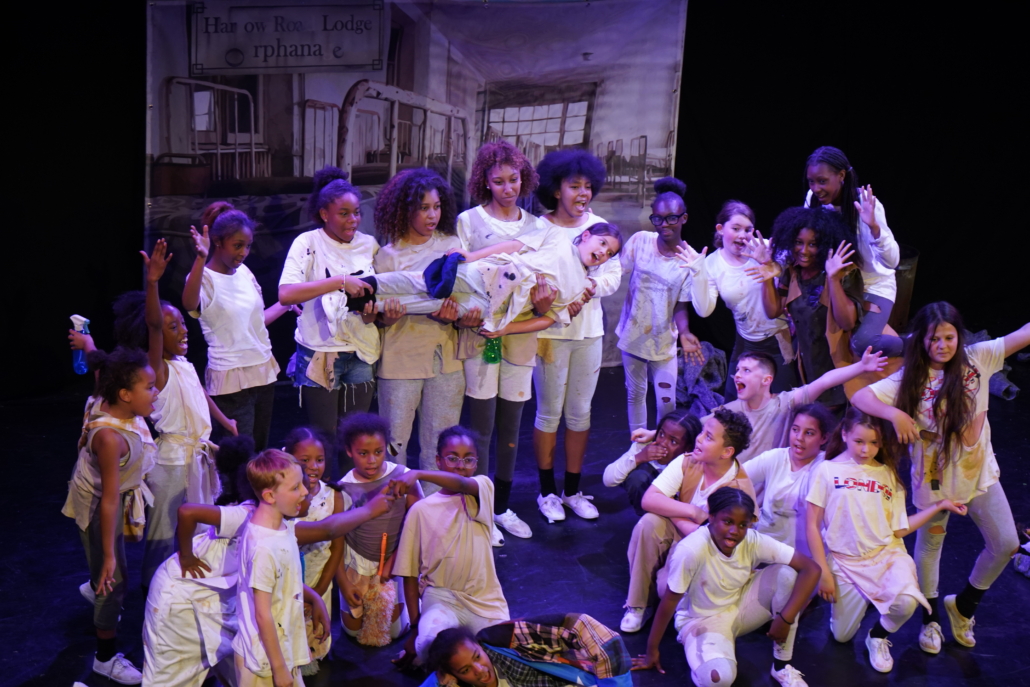
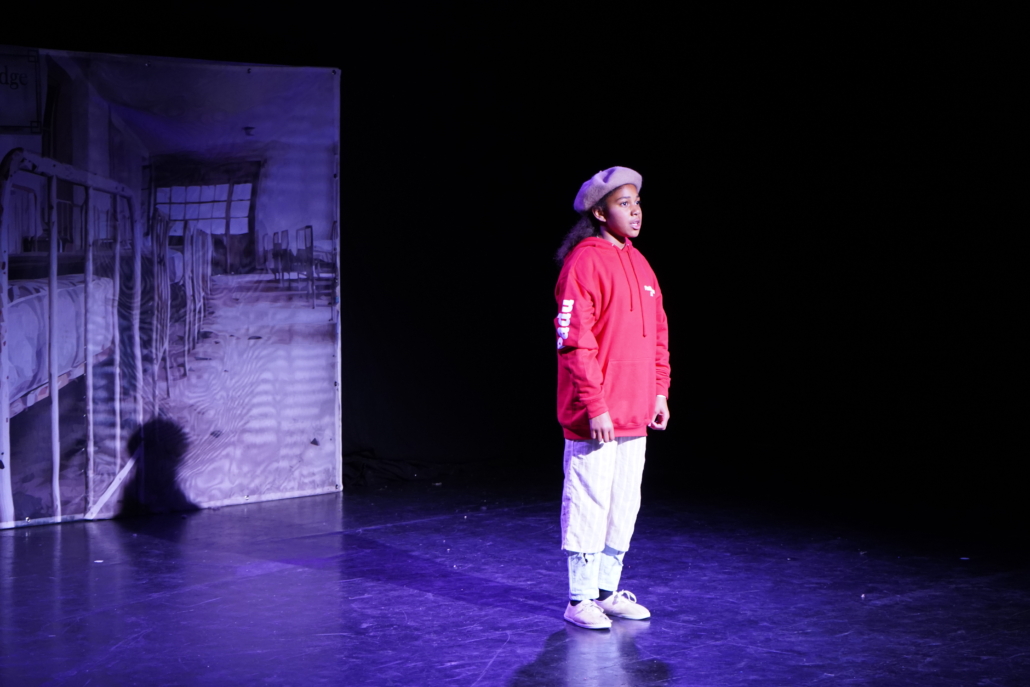
The play is loosely based on the original plot of Annie, but the script is new and a lot of the story has changed as well. It features explosive dance routines and musical numbers ranging from Drill remixes of It’s a Hard Knock Life to Michael Jackson’s Smooth Criminal. The story starts out with Annie in the orphanage, longing to find her parents one day. She escapes to look for them but eventually returns back to the orphanage and hatches a plan to get the abusive head, Ms. Hannigan, arrested. The plan ends up working and the orphanage is reformed and renamed as Paddington Arts. 

The circumstances were made up, but the theme of young kids searching for a home rang true to what Paddington Arts has provided for many young children in this area whose families wouldn’t have been able to afford other programs. “People talk about young people just hanging on the corners smoking and what not. They don’t have places like this,” Steve Roberts said, one of the staff members at Paddington Arts, “Do you know how many kids are out there that have nowhere to go, no interaction with parents?…Young people need places like this.”

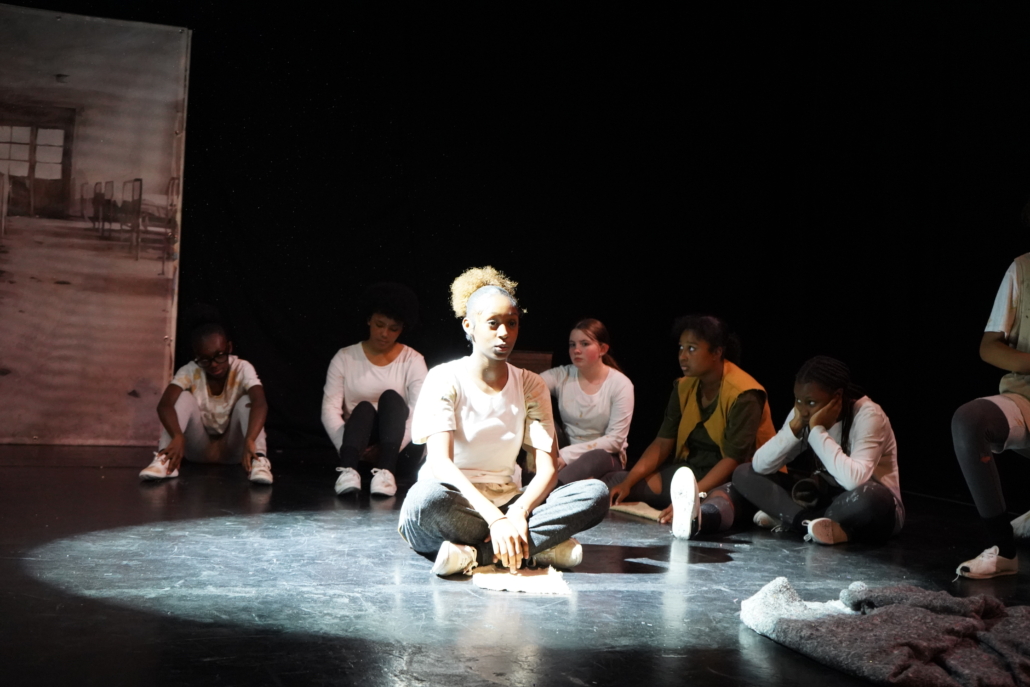
What was really special about this production was that it brought together kids across all age ranges and included children with hidden disabilities like autism and ADHD, sometimes fairly severe. “It’s hard work. This is one of the hardest projects I’ve done with Paddington Arts,” Eldora said, the script writer and director of the play. “I don’t think I could stand here and tell you everything that we’ve learned. It’s a lot.” 

Eldora ran through story after story of hurdles that the team had to overcome in order to make the play happen. One kid had an emotional breakdown when he wasn’t able to come in first for rehearsal. Another kid took three weeks to be comfortable sitting behind the curtain and even longer to get comfortable without her wool hat that she wears every day. She now has one of the bigger roles in the play. “Month number 1 and 2 it was like we’re never gonna pull this off,” Eldora said. “The journey we’ve been on to get to this point, it’s amazing.” 

While the older kids were hesitant at first to do a play with the younger ones, many of whom had disabilities and took much longer to get the hang of simple lines and directions, they’ve now formed a real bond with each other. Everybody involved with the play expressed how heart-warming it’s been to see the older ones embrace the younger ones and support them when they need help. “These young people have broken barriers, formed bonds, and where differences were not accepted, they have been celebrated,” Eldora said in her opening speech, “It was incredible to see how mainstream youth and those with hidden disabilities supported each other, learned from one another, and grew together.”

For some with disabilities, Paddington Arts is the only place they have to work at something and be able to express themselves in front of others. One father pulled Eldora aside and told her, wiping away tears, how much of an impact this play has had on his child’s ability to express himself. Another parent told her “I can’t believe how extroverted my child has become. He’s like an entirely new person.”

As the play went on, the invisible wall between acting and reality became thinner and thinner. Here were these young kids acting out a play about finding a home amongst each other amidst constant turmoil in their lives, and here they were at Paddington Arts, finding that very home.

“The orphanage still stands today under the new name of Paddington Arts,” Annie announced at the end, as the fictional world began to blend in with reality. After applause and bows, Asia, the actress who played Annie, whose two younger siblings and mother have all been a part of Paddington Arts, comes out on stage to sing the theme one last time.

Looking into the audience, with a few teary eyed parents and a stillness throughout the room, she sang the song’s hopeful lyrics one final time: “The sun’ll come out tomorrow. So you gotta hang on till tomorrow, come what may. Tomorrow, tomorrow, I love ya tomorrow. You’re always a day away.” 

The Art of the Interview: My Experience Interviewing Artist Carl Gabriel

By George Clyde

As part of my internship experience with Paddington Arts, I got a chance to interview local artist, Carl Gabriel. Carl immigrated from Trinidad to London when he was around 8 years old. He attended university for engineering, before changing paths and using his technical abilities to become an expert wire-bending sculptor and a prominent figure in the carnival arts scene.

When I began to prepare for the interview, I decided that I wanted to shift the focus away from the actual technicalities of his art, which his past interviews online had centered around, and tell his story as a person. Through his own personal journey, I hoped to find something deeper about immigration or activism in the arts or access some new perspective about the ideas and people that make carnival what it is. 

When I started off the interview though, Carl immediately pushed me away from touching on his life story. “Let’s keep it to carnival,” he said. Attempting to switch my focus up on the spot, what I came away with was an interesting interview, with some good insights and brief personal moments, but it was scattered and it lacked a center. My takeaway, as I continue to learn and grow as a journalist, is that rather than forcing the interview away from his identity as an artist, I should have explored him through that route.

An interview is always a push and pull between the interviewer and interviewee in terms of which direction it takes, and I don’t think I quite got that balance right. Moving him away from the technicalities may have been a good move, but I feel that I moved him away from his art as a whole. By asking him about what the different pieces meant to him and getting him to tell those stories, I may have gleaned something of his relationship with his art and the ideas and beliefs that drive him as a person both in his art and outside of it. It didn’t help that the second part of the interview, where he took me around and did begin to talk about some of his individual pieces, was cut off by the camera running out of storage. I also wish that I got some stories about his time working with the other carnival pioneers. I think that would have shed some more light on what the experience of carnival was like from the inside. 

What I did really like about the interview was that you got the sense of his strong attachment to wire-bending as an art form and his commitment to authentically representing West Indian art and culture. He talked about his introduction to engineering back in Trinidad, which contrasted well with the end of the interview where he discussed how he’s now committed to passing on the skills and traditions to the younger generation. “I want them to know that there’s an outlet for them to represent our culture,” he said. “If they do it right, there’s opportunity there.” Even if the interview wasn’t as focused as I would have liked it to be, I do feel that it gives a good sense of Carl’s demeanor and personality. As a personal experience, I very much enjoyed getting a chance to enter Carl’s space and have a conversation with him about his journey into the arts. In the process, I’ve learned some valuable filmography, editing, and interview skills that I’ll certainly take with me into the future.

Humanity at Our Most Unsettling: An Interview with Folk Artist Frankie Archer

By George Clyde

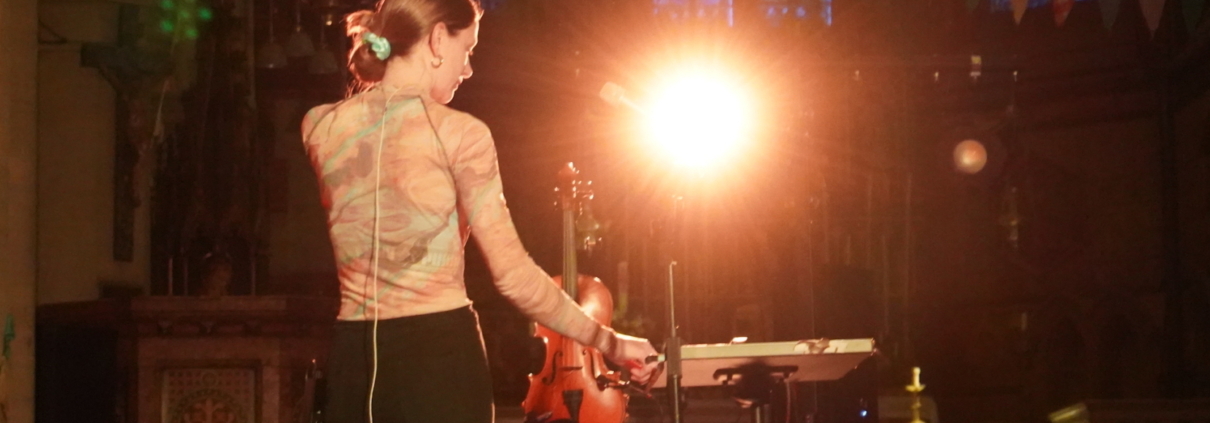
A small canal runs through North Paddington, lined with colorful houseboats and street art on the walls of housing units nearby. It’s a scene that’s unique to this area, which is famous for its ethnic diversity, its history of social activism, and its ongoing relationship with the arts. On the night of Friday, June 7th, if somebody had been walking along the canal and strolled into St. Mary Magdalene church, now used as a venue for the arts called Grand Junction, they would have come upon a dimly lit folk performance, pulsing with the artistic vitality of the area. The night featured traditional folk music from Iran and the US, a solo performance of more modern original folk songs, and reinterpreted classics from the North of England, infused with electronic elements and sung by the headliner, Frankie Archer.

I had gotten a chance to interview Frankie earlier in the day during sound check. At the time she wore blue jeans and a white shirt from 1985 that showed support for miners from the gay community, and she had been cheerful and happy to chat about her music. But here on stage she was transformed.

A golden stagelight illuminated her face; her arms waved gracefully as she looked into somewhere far beyond the crowd and sang these harrowing songs about murder, incest and rape. Clearly Frankie wasn’t crafting her music for commercial success, and this wasn’t the image of herself that she presented in her ordinary life. Some part of herself, deep beneath the person I talked to earlier, was out there on stage.

From a young age Frankie had been doing things her way. Her parents weren’t musical or artistic and she admitted that folk music was “a very uncool thing for a 12 year old to be into,” but to Frankie it just felt right.

“In school I had been taught to read the notes off the page. It was very strict. It wasn’t fun. But this was fun,” Frankie said, remembering her first introduction to folk music.. “There was so much energy in it.”

After many years of playing with a few bands at local pubs and working some jobs in between, Frankie finally made something that she felt was unique to her, so she put it out as her first single. “I was messing around doing everything. I was composing in some contemporary classical styles and then doing lots of Bulgarian influenced stuff and some like synth pop songs. I was doing everything really. And this was the one that just seemed like nobody else or like nothing else.”

The song is called Over the Border. It’s an old tune that Frankie added lyrics to about nature’s indifference to our man-made borders. The video features an interpretive dance along Hadrian’s wall in the north of England, where two lovers are separated by it before coming together.

The single seems fitting as an opening for Frankie’s career, which has carried the same disregard for borders and genres. Her tracks infuse all kinds of different electronic music elements. Throughout the performance at Grand Junction, she was constantly switching back and forth between looping electronic drum tracks and picking up her fiddle.

“I don’t work very consciously,” she said of her writing process. “I just sit down and then a thought comes into my head like, oh, you need to do this thing. You need to add this thing. So I do. And I really, really like that flow of building.”

For Frankie that flow state often seems to take her to some dark places. “I don’t sit down and process the emotions consciously. But obviously, like, this is something I really resonate with. So I think, I think it’s kind of very, very deep in us. And yeah, I think I do make connections with certain songs because of certain experiences, but I’m not digging into where they are. I don’t know exactly. It’s subconscious.”

Frankie pointed out, laughing a little at her own tendency towards these deeply disturbing tales, that she does have some playful tunes in her catalog. But she also compared these disturbing stories to things you might see in a gossip magazine. We all seem to have an often subconscious fascination with the hidden and twisted parts of our own nature.

Frankie’s interest in these songs comes in part from being able to empathize with the women in these stories. Her reinterpretations sometimes give more power to these victimized and helpless damsels. “A lot of songs do have women in their narratives. So, that, I resonate with, definitely when I’m choosing songs,” Frankie said. “In ways I’ve tried to say, like, these shit things, here they are. They’re in the traditional music canon and they’re still happening now.”

The song linked above is Oxford City, Frankie Archer’s most recent release about a girl whose drink is drugged. The lyrics are ancient, but Frankie added audio from a modern bar, signifying that the story remains just as relevant today.

Whatever Frankie might be singing about now or in the future, she has continued to do the things that feel right to her. She’s not interested in what’s going to sell or make people happy or even in fulfilling some bigger self-purpose. She does what excites her, and really, what else can someone do? When I asked her what she hopes for in her future, her answer was simple. “I would like to never get bored of making music,” she said. “I’d also like to make a living from it [laugh], I’ll get there. But yeah, I’d like to still get excited by ideas, no matter if I’ve been making music for 2 years or 50 years.”