I Became a Wedding Crasher on My First Day in London
By: Jake Keller
After around 12 hours of travel, by car, plane, and foot, I arrived in the illustrious city of London. I only received around 4 hours of less-than-ideal sleep in an airplane seat, but I was told that the best way to overcome jet lag was to make it through the day. Thankfully, I had a plan to fight fatigue and simultaneously immerse myself in the multicultural city: attend an Indian wedding.
My friend and fellow student traveler, Simran, had a sister visiting London for the wedding, and she wanted us to go; we agreed without hesitation. After getting ready, we embarked on our journey, which began with a walk to hop on the Elizabeth line of London’s train system, known as the “Tube” by locals. It should be no surprise that we got on the wrong train, but we persevered, and after traveling about an extra hour than we should have, we made it to the wedding.
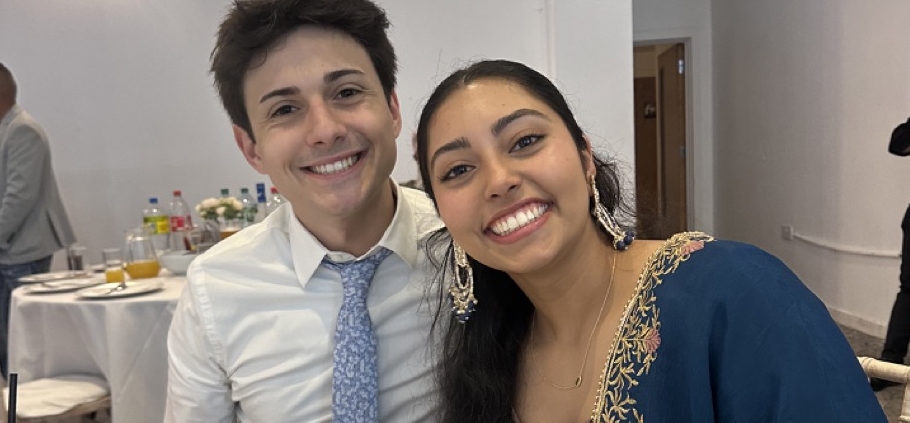
In my head, I had pictured a crowded event, but as we entered the doors, I began to feel like a wedding-crasher. Simran left with her sister for the bathroom, and I sat alone at a table, avoiding what I interpreted as strange looks from the guests and the bride who wondered why I was there. I had never been to anything other than a traditional American wedding before. The customs were different from what I was used to, as was the music and the garb. I felt like a bit of an outsider, worrying that I was unwanted, but then, I got invited to the dance floor.
I’ve always hated dancing at weddings. I feel exposed as my lack of skill is on display for all to see. One time I attended a wedding where the pair getting married were clogging instructors, and as you can imagine, everyone took to the dance floor to clog. I was a plus one to that wedding as well, and when my friend dragged me onto the dance floor, I clicked and clacked my heels on the ground like a newborn giraffe. Flashforward, and I was once again forced to dance at a wedding where the style was unfamiliar, but I did my best to mimic the movements of my dance partner. She smiled and laughed as Simran recorded us, and I found myself grinning ear to ear.
I felt included in the wedding of these two people whom I had never met. They did not know my name, yet they welcomed me with open arms. Most of those whom I talked to spoke to me in Punjabi, a language that I don’t know, but that never limited their hospitality. One man in particular kept offering me drinks and asking me if I was having fun. Simran had to translate for me, but his energy was enough to make me feel welcomed.
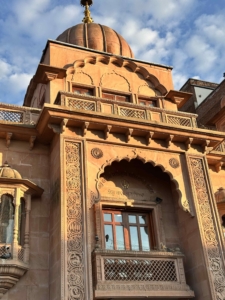
After we left the wedding, we visited a nearby gurdwara, a Sikh place of worship. Nobody questioned why I was there, despite my knowing nothing about the religion or its customs. Simran’s sister helped me secure a bandana on my head and direct me where to store my shoes before we entered the Darbar Sahib, the prayer hall. We approached the Guru Granth Sahib, the holy scripture, and I copied the motions of those before me: saying a silent prayer, dropping a dollar in the golak, and touching my head to the ground. I then sat criss-crossed on the men’s side of the room for personal reflection.
I reflected on how grateful I was to be in a city surrounded by culture and by people who allowed me to learn about their way of life. I’m not used to being around people from different backgrounds who can walk around speaking different languages and wearing different clothing without being looked at sideways. Although I’ve only been here for a few days, I feel as if London has welcomed me with open arms, and it seems to have done the same for many others.


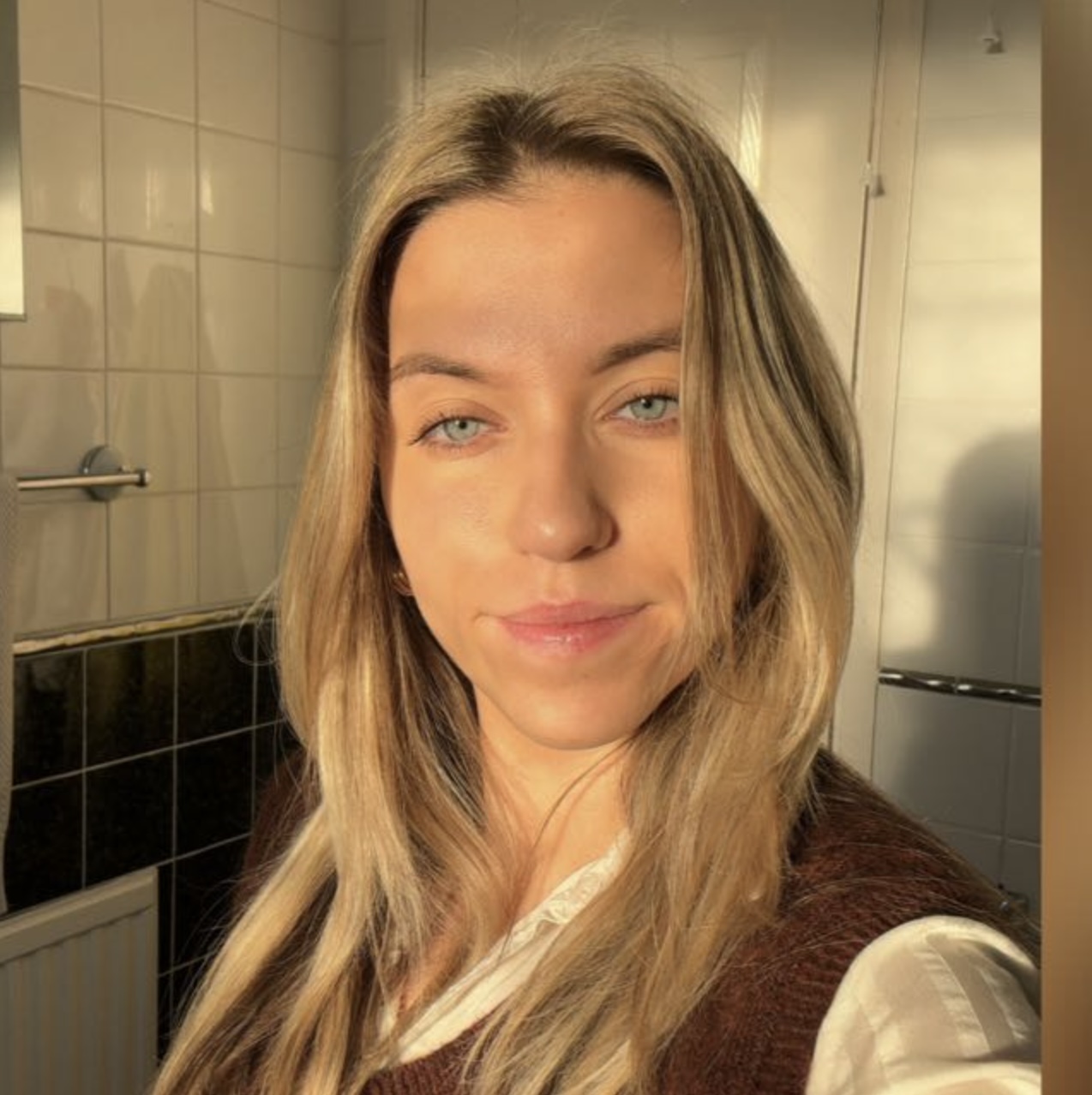

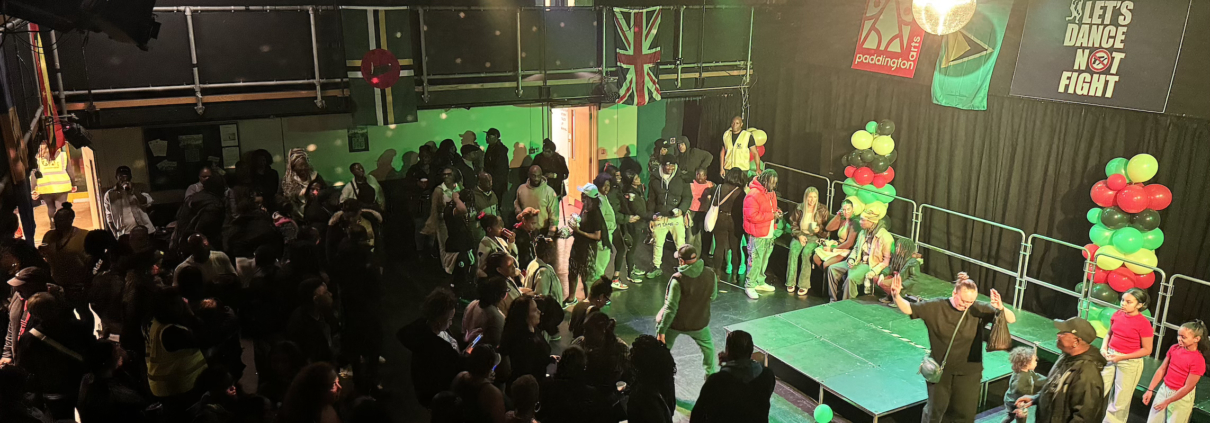
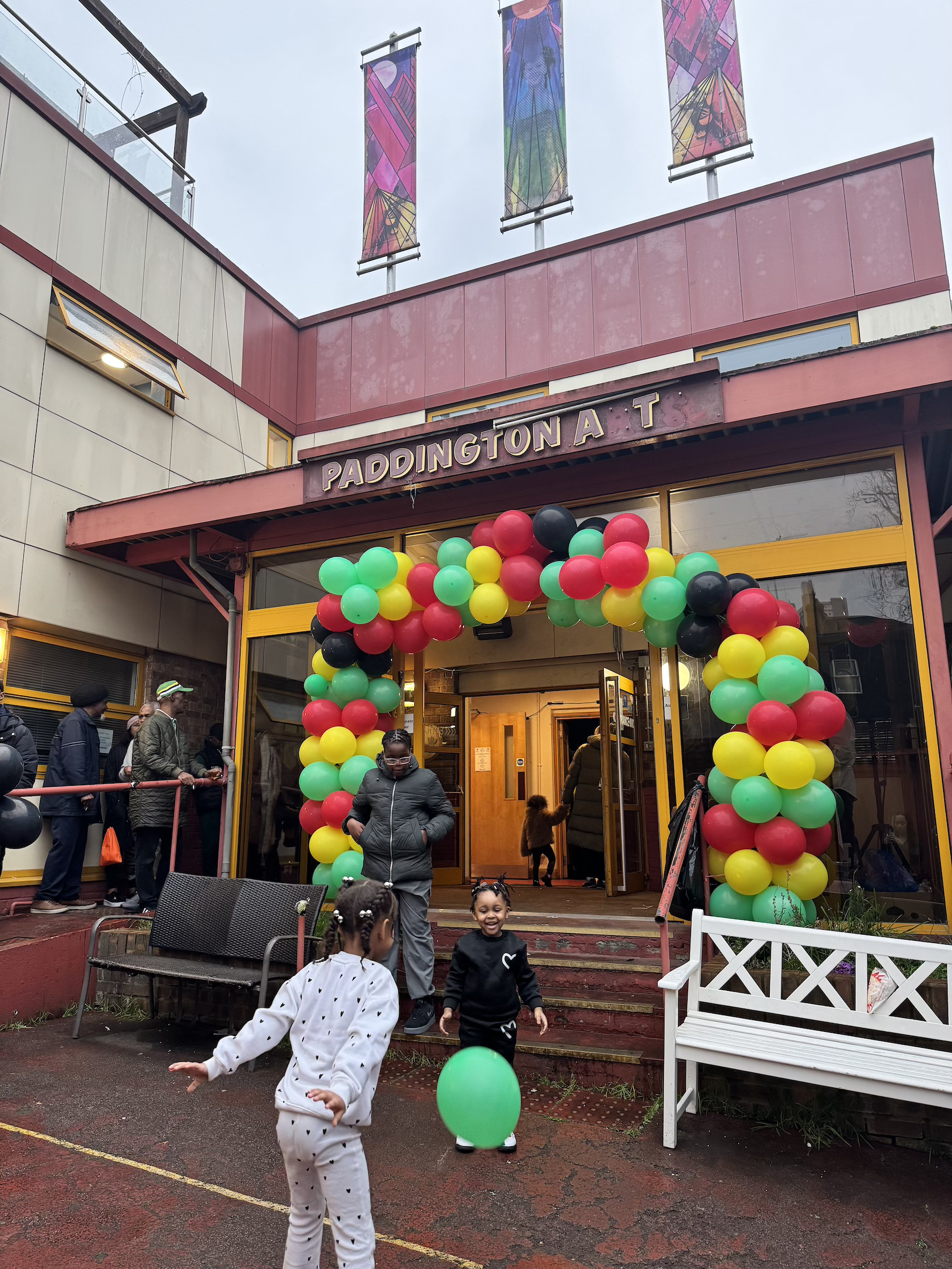
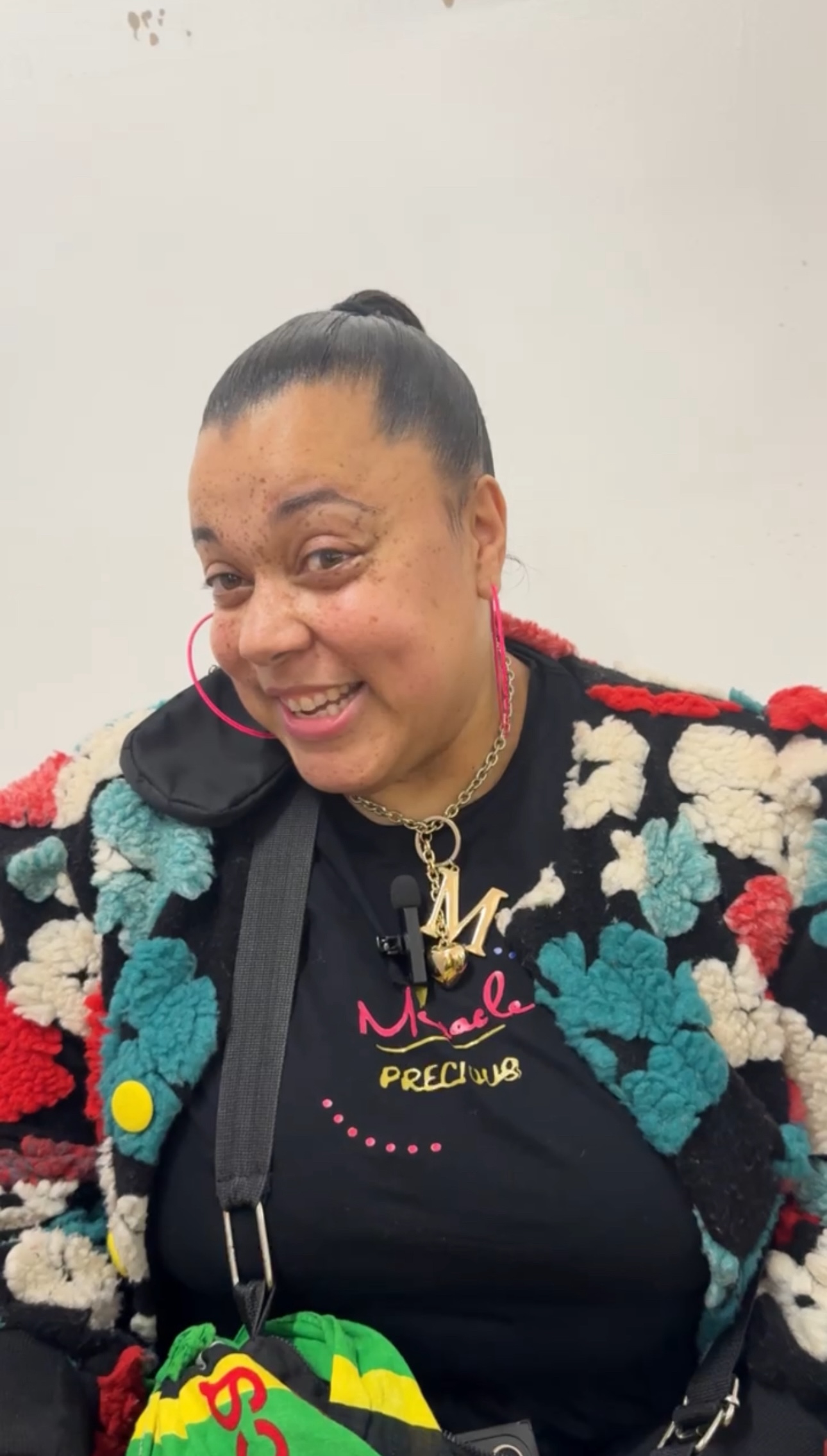
 Eldora said, “…the area we live in, we are just dealing with the obvious. Deprived young children, single parent families…So it’s an outlet. It’s also a very safe social space for them. So these young people who come here may not have a PS game console, or an Xbox, or the latest iPhone. So they come and they do…old-school socializing…catch up with your friends in a safe space.” Paddington Arts serves not only as a place for the arts, but as a safe space for children from all kinds of backgrounds. Children who may have a tough home life or who struggle socially or mentally can interact in what is truly a safe space. Due to a wide range of opportunities offered, children are able to use the whole performing arts sector as an outlet at Paddington. Eldora also shared with me how she takes the time to familiarize herself with each child and what they need as it pertains to the show. Eldora explained her approach when writing the script: “I watch them, I write the character that I know they are. So they’re not changing. They just become more elaborate… Because this is an after school provision, and my thing is, you don’t want to come from school to school.” Eldora tailors each character to each child. Through this, the children are able to still be grounded in themselves. This also lessens the taxing mental energy and instead turns the experience into a physical and spiritual outlet. The people at Paddington, especially Eldora, are what make it a safe social space for children and a great place to delve into the magic of performing arts. Paddington truly wants the best for all of the youth who attend, and the impact it has on them is something that will always stick with me.

 Johnny Boy Moore Facebook


 Julia Vetsch

 Julia Vetsch